


Infectious Diseases Archive — Page 2 of 13




-
February 6, 2026
Vanderbilt Health to lead expanded multisite study of immunomodulation in long COVID
The public health burden of long COVID is estimated to be the largest seen from an emerging disease in the past century, yet there remain no effective interventions. -
January 28, 2026
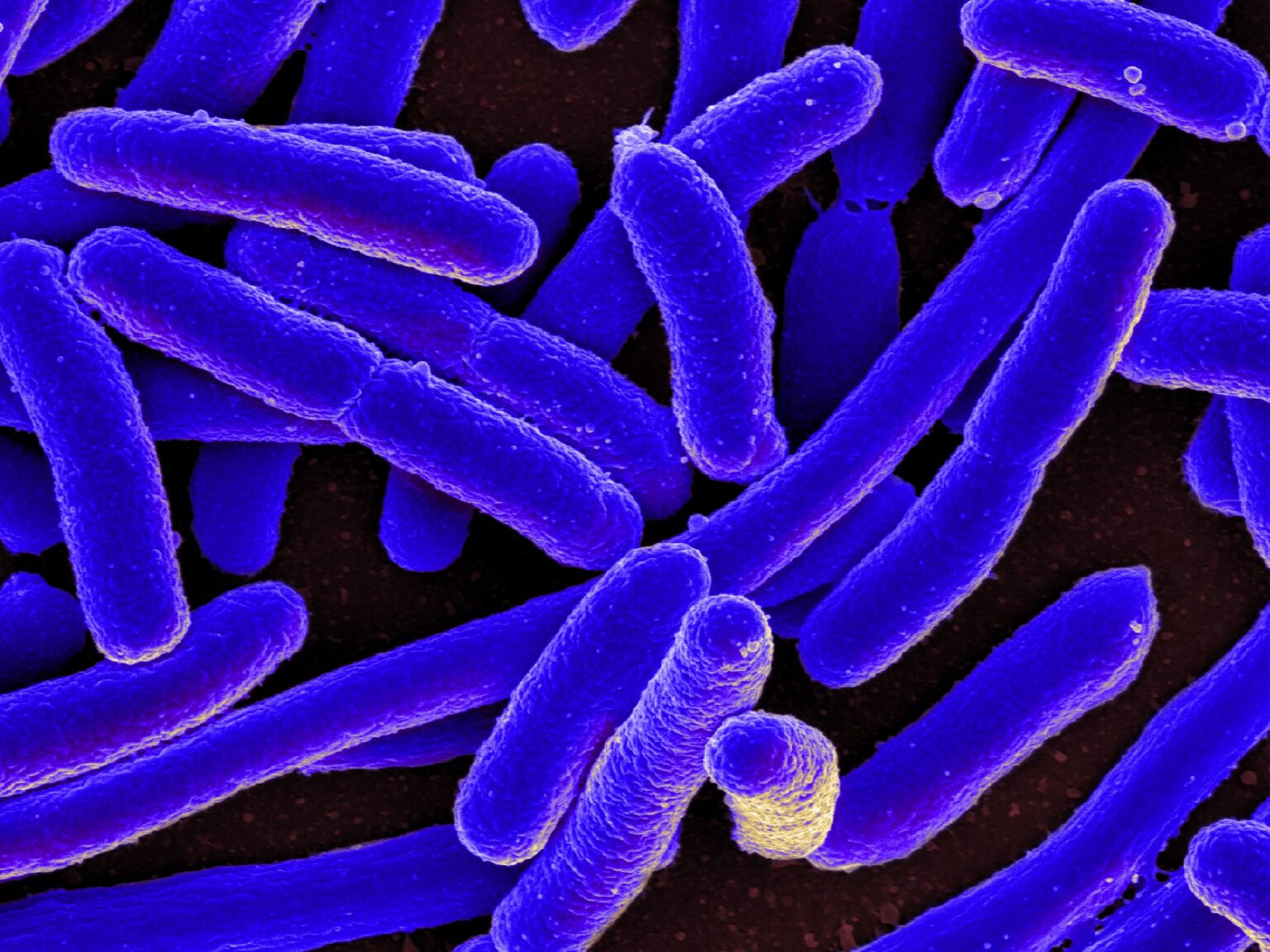
Gut microbiome differs according to C. diff symptom status
In a study of children with symptomatic or asymptomatic C. diff, symptom status loomed as the strongest association with differences in gut microbial abundance and diversity. -
January 22, 2026
A grateful patient says ‘thank you’ to Vanderbilt Medical Laboratories
The infection can result from inhaling spores of the fungus Histoplasma capsulatum, which grows in soil throughout Middle Tennessee, especially in soil contaminated with bird or bat droppings. Previously, blood samples had to be sent to a reference lab in Utah. -
January 20, 2026
VIGH, Ugandan partners land grant to study bunyaviruses in Tennessee and Uganda
Bunyaviruses can lead to many illnesses, ranging from mild fevers to serious and sometimes deadly diseases such as hemorrhagic fevers and encephalitis in both children and adults. -
January 20, 2026
Following recommended schedule helps keep children safe from vaccine-preventable diseases
Any length of time without immunizations is a time without protection against vaccine-preventable diseases. -
January 16, 2026
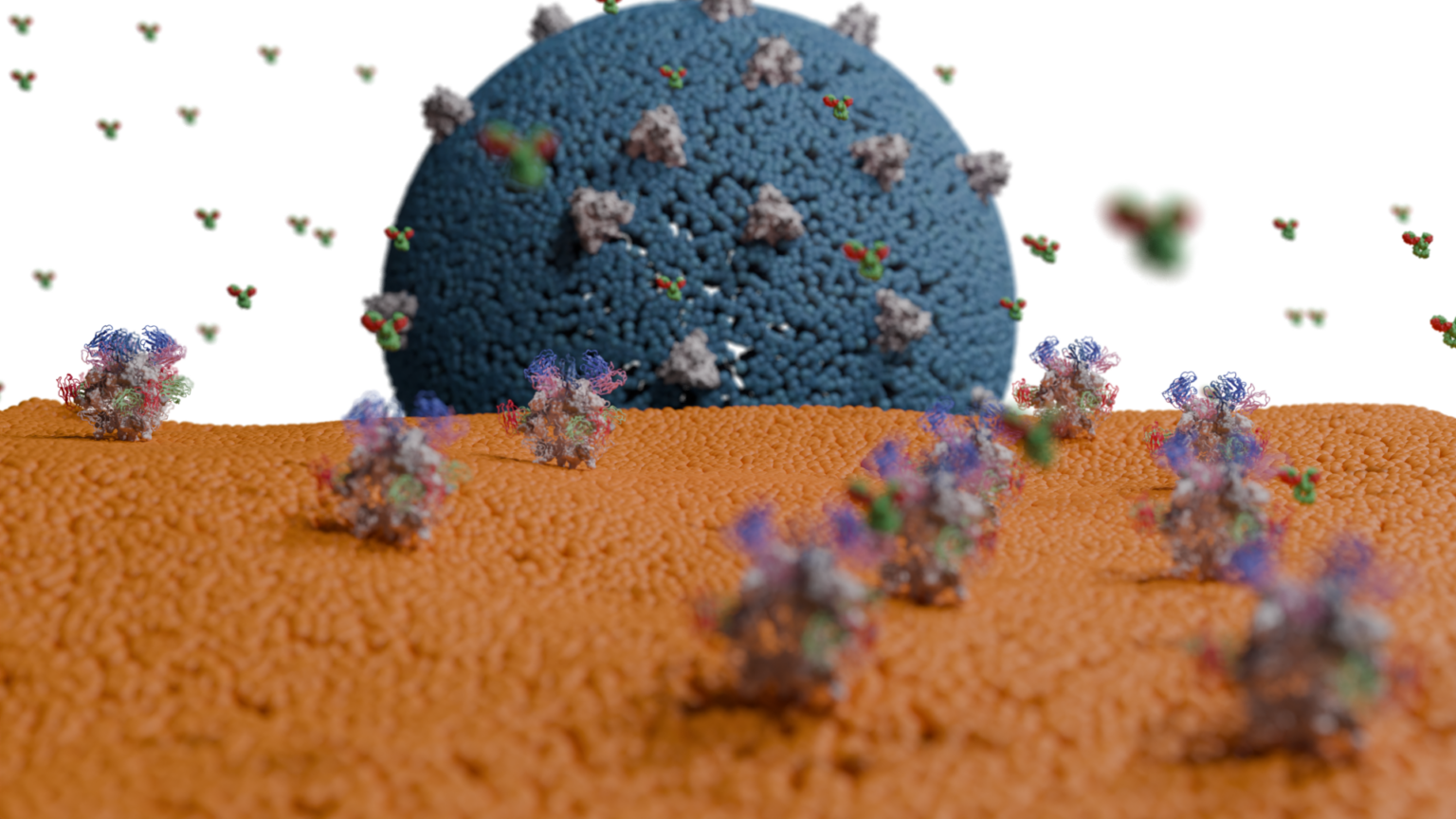
Vanderbilt Health team finds potent antibody that neutralizes two dangerous viruses
The single administration of an antibody that provides cross-protection against both RSV and hMPV infection could provide logistical and economic advantages over the need to develop and administer multiple virus-specific monoclonal antibodies. -
January 16, 2026
Flu is rampant in our area
It’s still not too late to get a flu shot; what to do if you get sick