


Infectious Diseases Archive — Page 1 of 13




-
June 30, 2026
Team creates premium fake people to speed HIV research
Due to nations’ conflicting privacy regulations, de-identified clinical data needed for science doesn’t always travel so well internationally. A team turned to AI to generate a better class of fake people living with HIV. -
May 28, 2026
Vanderbilt Health researchers call for pandemic prevention
The Vanderbilt Center for Antibody Therapeutics has received large-scale government grants and contracts to fund the discovery of human antiviral antibodies. The problem is the next step — finding corporate partners to develop the antibodies through human testing. -
May 27, 2026
Kelly Dooley to depart Vanderbilt Health to lead Department of Medicine at Brown
A national search will be conducted to identify Dooley’s successor as director of the Division of Infectious Diseases, and an interim director will be announced at a later date. -
April 30, 2026
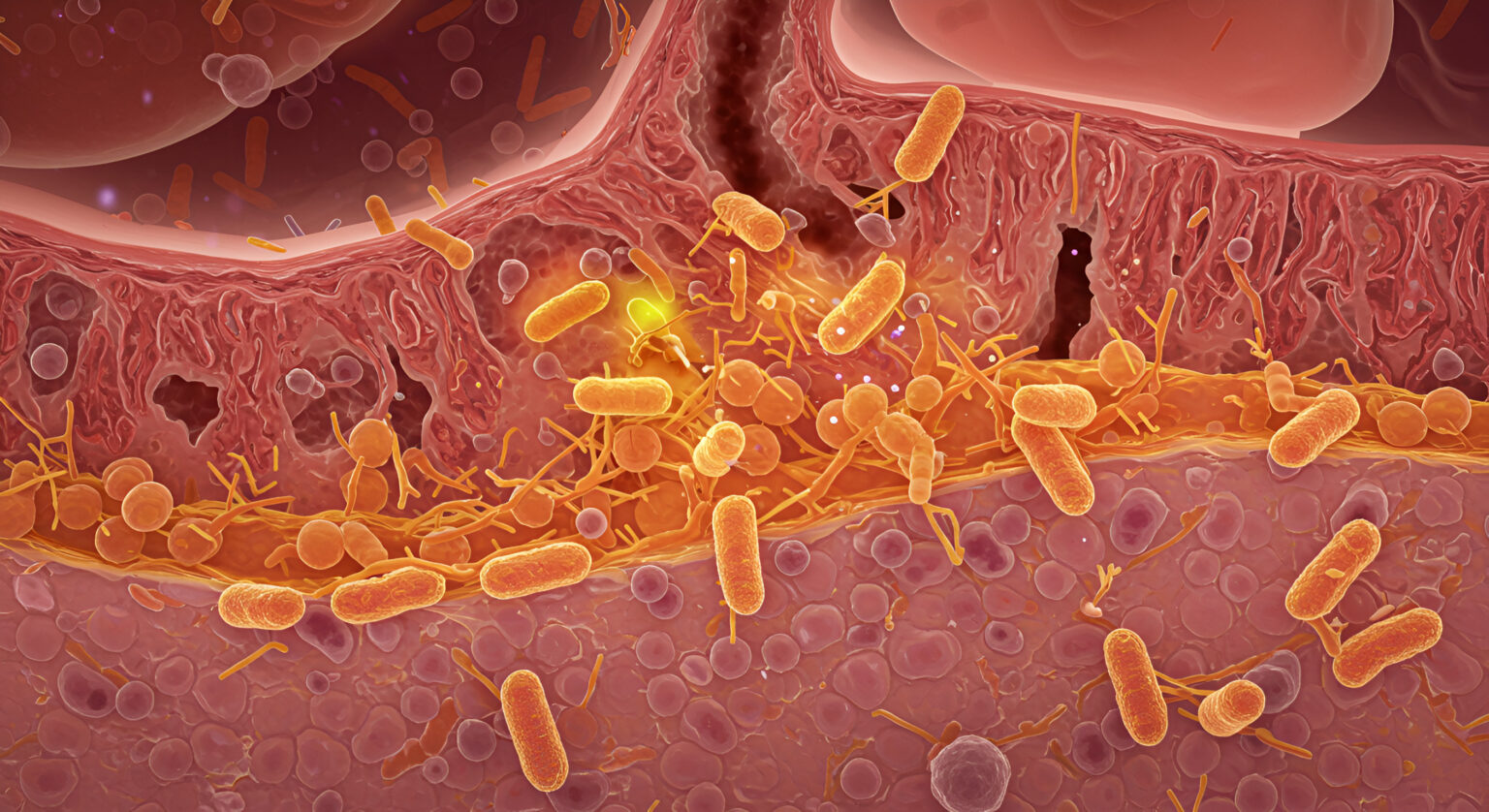
Disease-causing pathogen rewires gut metabolism to secure nutrients for growth: Study
The findings suggest that disease-associated microbes can actively drive intestinal inflammation by reshaping host metabolism, suggesting new therapeutic possibilities to prevent or disrupt diseases like infectious diarrhea and colorectal cancer. -
April 23, 2026
Gut microbiota impacts resistance to bacterial pneumonia: Study
The findings suggest the gut microbiota — microorganisms that live in the intestines — could be a therapeutic target to prevent hospital-acquired lung infections. -
April 22, 2026
Child Health Poll: Vast majority of Tennessee parents say their kids get regular immunizations, support school-based immunization requirements
Roughly 8 in 10 parents surveyed across the state said they are concerned about communicable diseases like measles if others are not immunized and agreed that immunizations are important to protect their children from serious infections. -
April 18, 2026
Rapid bloodstream infection testing shows high potential for timely, lifesaving treatment: Study
Gram-negative bacteria bloodstream infections are a major cause of illness and death worldwide, especially where antimicrobial resistance is more common.