


Vanderbilt Institute for Infection Immunology and Inflammation (VI4) Archive — Page 3 of 5



-
September 30, 2021
Molecular imaging of C. diff infection
C. difficile — the leading cause of hospital-associated intestinal infections — induces a rapid influx of bile acids into the gut, which could provide a novel target for blocking infection. -
September 10, 2021
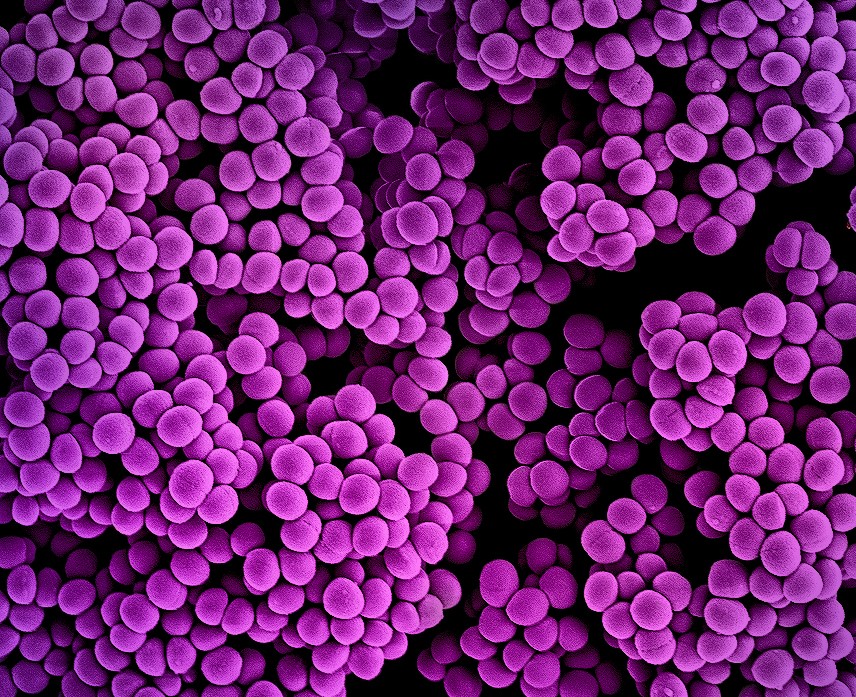
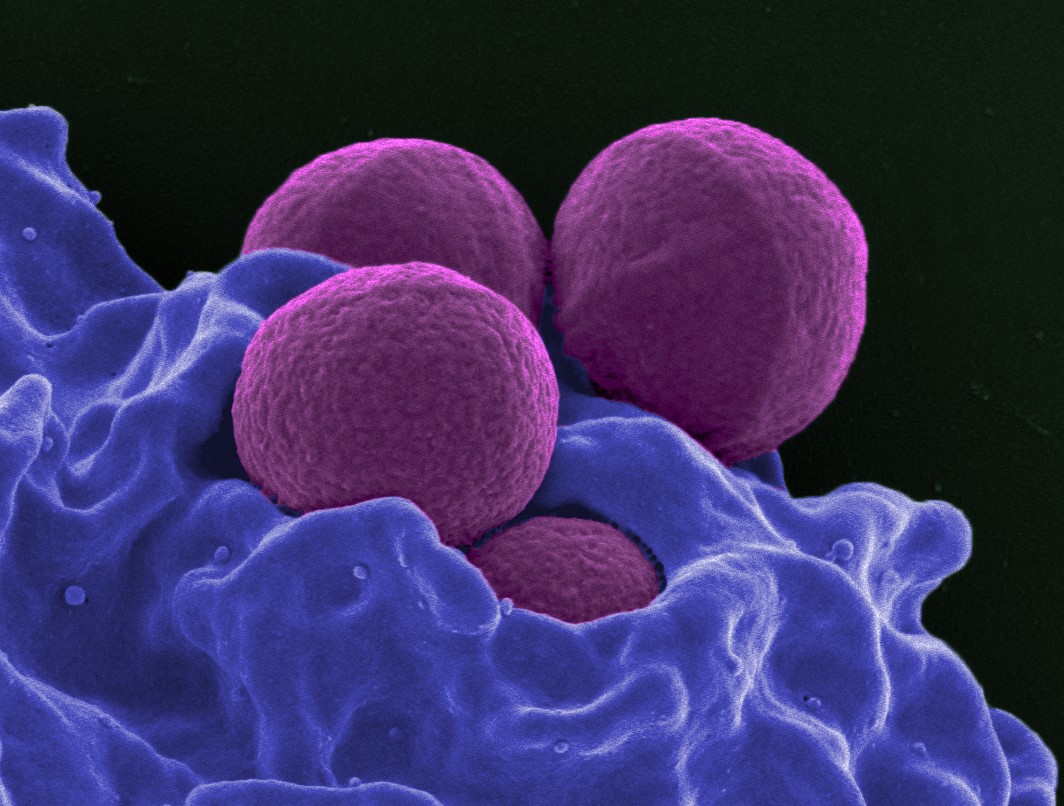
Caught in a web: study reveals that immune cells cooperate to trap and kill bacteria
Vanderbilt researchers have identified a new antibacterial mechanism that could inspire novel strategies for combating staph and other extracellular bacterial pathogens. -
October 29, 2020
Grant helps expand VI4’s Artist-in-Residence program
An innovative Vanderbilt program that brings together scientists and artists with the shared goal of scientific communication is set to expand with support from a three-year grant from the Burroughs Wellcome Fund. -
September 17, 2020
Probing pathogen antibiotic resistance
Understanding how bacteria evolve resistance to antibiotics and host stresses could guide the development of more effective antimicrobial therapeutics. -
June 10, 2020
C. diff captures blood cell cofactor to build defensive shield
Vanderbilt University Medical Center scientists have identified a C. diff protein system that senses and captures heme (part of hemoglobin) to build a protective shield that fends off threats from our immune system and antibiotics. -
May 14, 2020
The adaptable anthrax bacterium
Vanderbilt researchers discover how anthrax bacterium defends itself against structural damage and resists the toxicity of the antimicrobial drug targocil. -
February 27, 2020
Locksley’s Discovery Lecture
Richard Locksley, MD, spoke about his allergic diseases research during his recent Flexner Discovery Lecture. Here, he poses for a photo with VUMC’s Eric Skaar, PhD, MPH.