


Research Archive — Page 2 of 138




-
September 7, 2026
Researchers identify new therapeutic target for salt-sensitive hypertension
The Vanderbilt Health team discovered that a signaling pathway called AP-1 complex links dietary sodium to immune-driven salt-sensitivity of blood pressure, which increases the risk of cardiovascular disease and death. -
September 7, 2026
REDCap adds generative AI tools, with human oversight built in
Institutions were advised to connect REDCap to their own institutionally managed, secure generative AI service. -
September 2, 2026
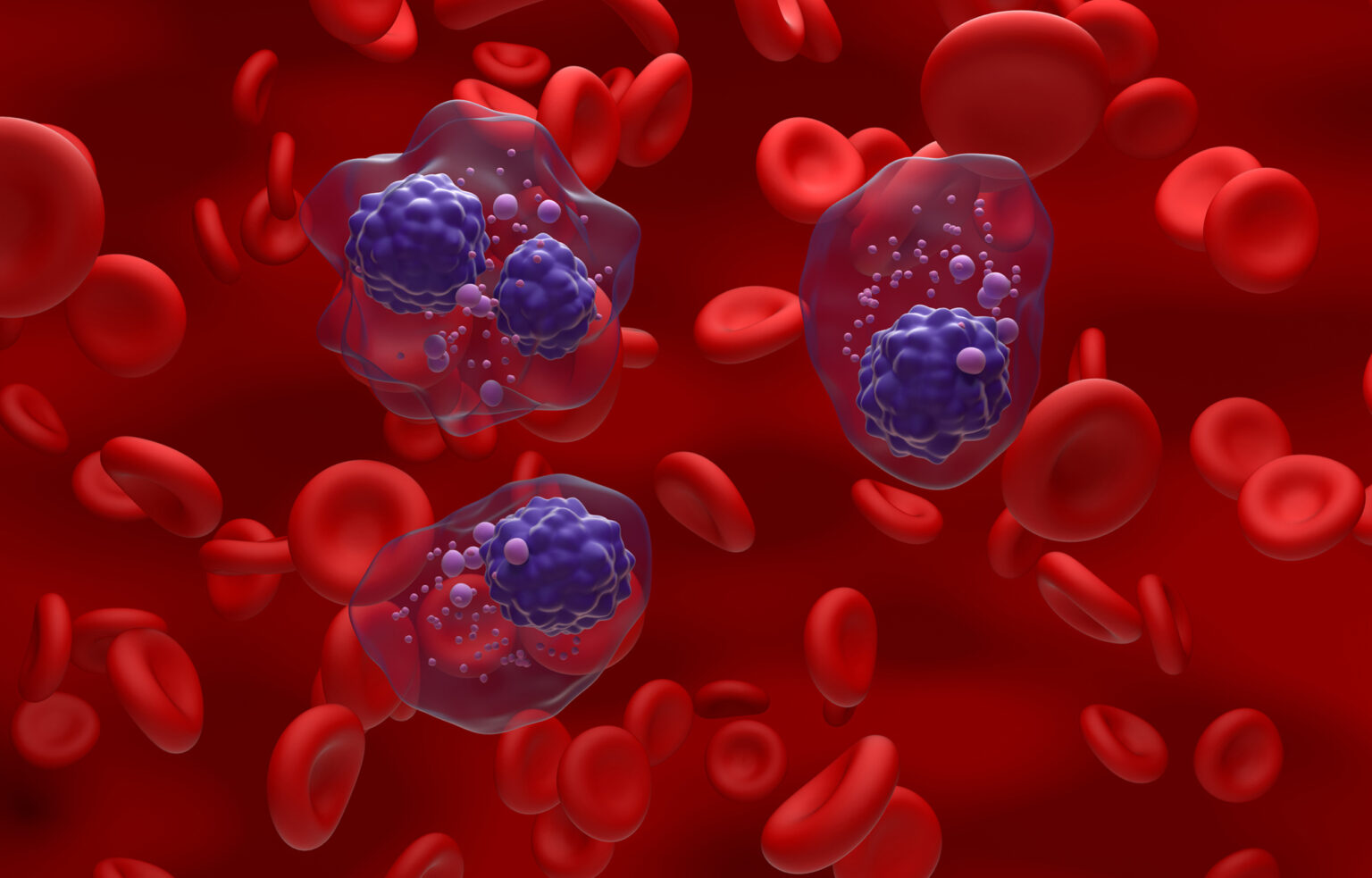
Decoding the ancestry gap in diagnosing and treating acute myeloid leukemia
The disease is driven by complex combinations of multiple genetic mutations rather than a single defect. -
September 2, 2026
‘Balancing act’ helps keep colorectal cancer in check
Vanderbilt Health study offers potentially new avenues to explore in the treatment of colorectal cancer. -
September 2, 2026
Millions get wrong genetic test, study finds
A study shows current testing is providing false reassurance about genetic disposition for a rare life-threatening drug reaction. -
August 28, 2026
Mild cognitive impairment’s impact on postsurgical pain is focus of $3.2 million grant
At least 11% of older surgical patients — roughly 3 million people annually — have MCI, a condition linked to progression to Alzheimer’s disease. -
August 27, 2026
Brain scan method may improve diagnosis, treatment of psychosis
The study suggests that heterogeneity, or the wide range of symptoms, treatment responses and long-term outcomes observed in patients with various forms of psychosis, may reflect separate illness mechanisms and developmental pathways.