(iStock)




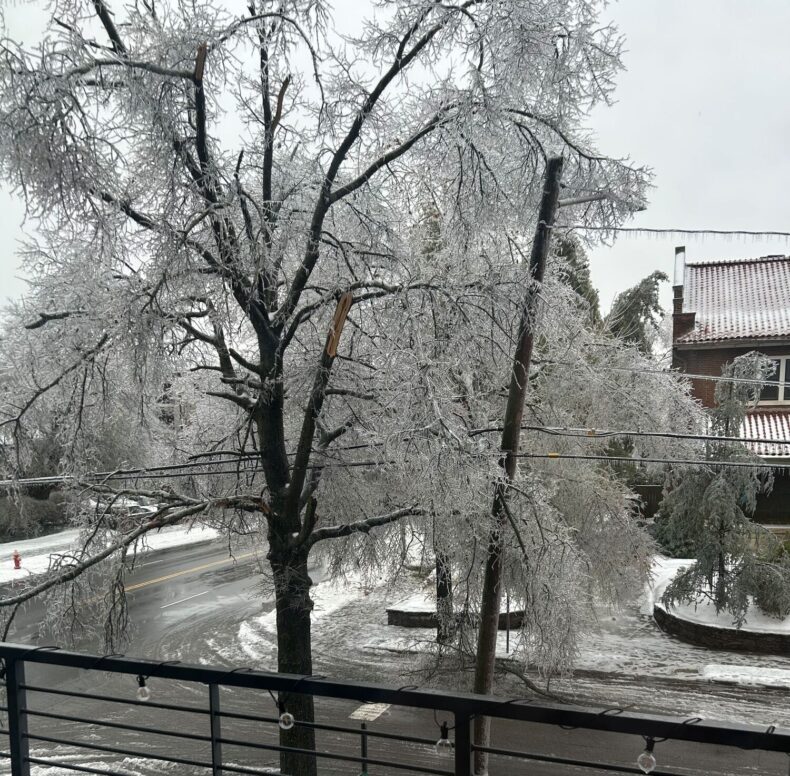
Weather predictors are pointing to a major winter storm with possible snow and ice for Middle Tennessee starting Friday evening through Sunday.
Temperatures are expected to drop and stay below freezing through next week, prompting residents to turn up the heat to stay warm.
As residents prepare for frigid temperatures, injury and prevention experts at Monroe Carell Jr. Children’s Hospital at Vanderbilt urge parents to be aware of potential dangers — both inside and outside the home.
Indoor safety first
Carbon monoxide is present in the air we all breathe, but when unsafe levels of the gas build up in the body, it can lead to carbon monoxide poisoning.
More than 420 people die every year in the United States from carbon monoxide poisoning, and thousands are sickened by the colorless, tasteless and odorless gas known as the “silent killer.”
“When temperatures dip, people use alternative heat sources that could be damaging,” said Stacey Pecenka, MPH, manager of the Pediatric Trauma Injury Prevention Program at Monroe Carell. “There are many ways that carbon monoxide can enter a home or place of business, especially during the winter months.”
Carbon monoxide is a by-product of the combustion of hydrocarbon fuels, which include propane, coal, gasoline and natural gas.
Other sources include room heaters, furnaces, charcoal grills, cooking ranges, water heaters, cars and portable generators.
Carbon monoxide can be safely vented most of the time, but misusing or not maintaining the sources can lead to unsafe levels in the air.
“Children are at a higher risk for carbon monoxide poisoning, often processing it differently than adults and are often the first affected by the gas and can suffer severe effects,” said Pecenka.
Signs of poisoning include headache, dizziness, sleepiness and nausea.
If symptoms affect more than one person, a carbon monoxide leak or exposure should be considered. Those affected should immediately get fresh air.
“Installing a carbon monoxide detector is the only way to know if there are dangerous levels of the gas present,” she said. “And please note that smoke alarms and carbon dioxide detectors are not the same thing.”
The Tennessee Poison center is a resource for suspected carbon monoxide poisoning at 1-800-222-1222. However, if anyone has loss of consciousness, confusion, seizures, difficulty or has stopped breathing or has chest pain, please call 911.
On to outdoor safety tips
Get your car winter ready. Getting your car tuned up is a proactive way to ensure safety when driving on the road. Check items like tires and windshield wipers for wear and tear and if necessary, replace them.
Stock your car with the essentials. If snow or ice cause traffic incidents, having the following items will provide protection while you wait:
- Half tank of gas
- Ice scraper
- Extra cold weather clothes and blankets
- Flashlight
- First aid kit
- Water and nonperishable food
- Reflectors
- Portable phone charger
- Bag of sand/cat litter
Outdoor activity safety guide.
Sledding can be such a fun activity during the winter months. Although sledding can seem like harmless fun, it can cause serious injuries and even death. Children should always sled with an adult present. Follow these safety tips to remain safe while sledding:
Using safety gear and dressing appropriately
- Children should wear helmets to protect them from deadly or debilitating injuries. Helmets designed for winter sports work best, but if you don’t have one, make sure they at least wear a bike helmet or something similar.
- Be sure to wear warm clothing. Wear a hat, gloves or mittens, snow pants, winter jacket and snow boots. Don’t wear a scarf, though, as it can get caught in a sled.
- Set reasonable time limits on outdoor play to prevent hypothermia and frostbite. Have children come inside periodically to warm up.
Finding a safe spot
- Do not sled on or around frozen lakes, streams or ponds.
- Avoid sledding on hills that end near a street or parking lot.
- Avoid sledding at night and in crowded areas.
- Pick a location clear of pedestrians, vehicles and other hazards in the sledding path. Be sure the end of the path is also clear.
Sledding safely
- Use steerable sleds, not snow disks or inner tubes.
- Sleds should be structurally sound and free of sharp edges and splinters, and the steering mechanism should be well lubricated.
- Everyone should sit face-forward on their sleds with their feet pointing downhill. Never go down the hill lying down face-first because this can lead to a serious head injury.
- Be sure to never stand on a sled.
- Children should only sled one at a time to avoid a potential injury.
- Never pull a sled with a motorized vehicle. Pulling sleds on public streets or parking lots results in serious injuries and death every year. Items towed behind motorized vehicles have no braking power. Parked cars, curbs, trees, telephone poles and even hard snow and ice can kill you.
- Take turns sledding. Don’t start sledding if someone else is in the pathway.
Set reasonable time limits on outdoor play to prevent hypothermia and frostbite. Set a reminder to have your children come in the house periodically to prevent hypothermia and frostbite. Taking these precautions can create a safer sledding environment for everyone and will hopefully give parents peace of mind.
Pecenka also encourages increased hydration with both indoor and outdoor play.
“People often think that staying hydrated is only important during hot weather, but it really is important anytime children are playing,” she added.