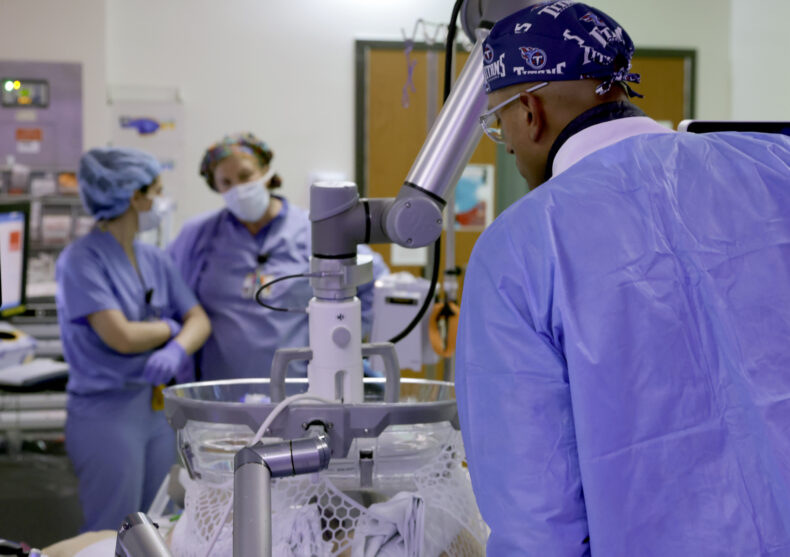




Vanderbilt Health recently performed its 100th histotripsy, a noninvasive procedure in which highly focused ultrasound waves are directed at liver tumors to destroy cancer without ever making an incision.
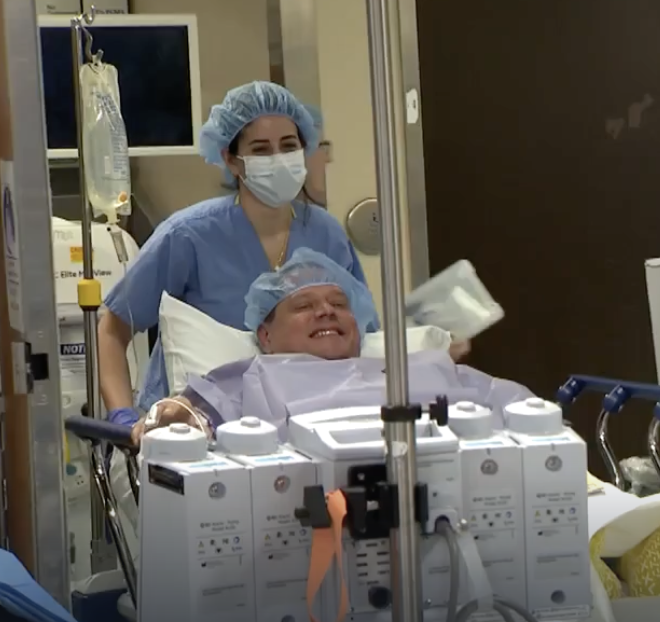
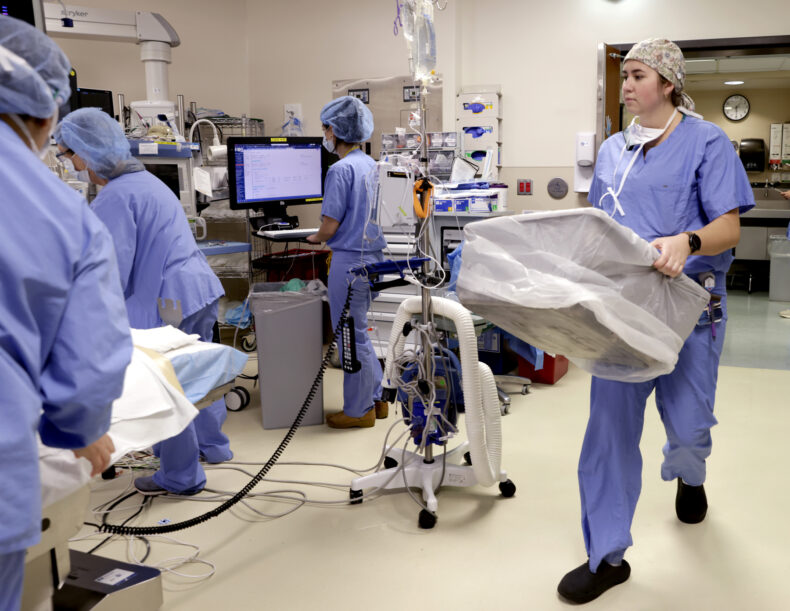
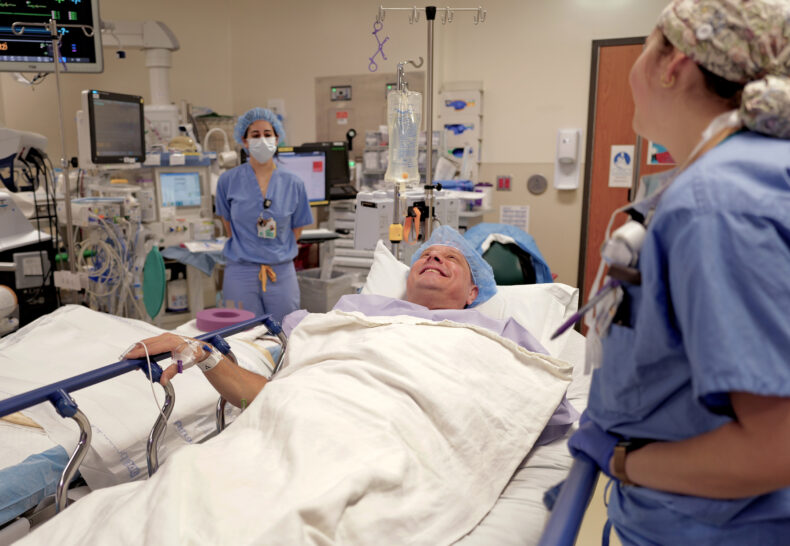
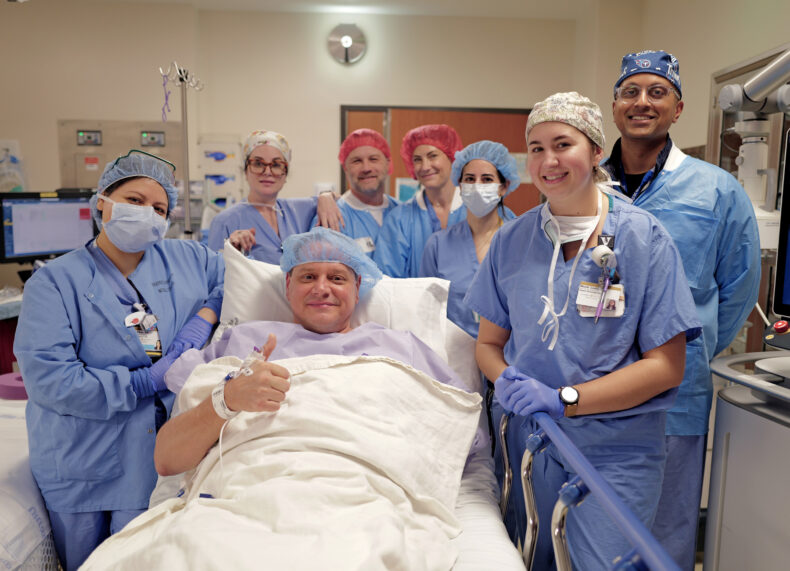
The recipient, Aaron Davis of Cleveland, Tennessee, had just celebrated his 52nd birthday days before the procedure and was surrounded in the Vanderbilt University Hospital operating room by a surgical team he’s come to greatly admire.
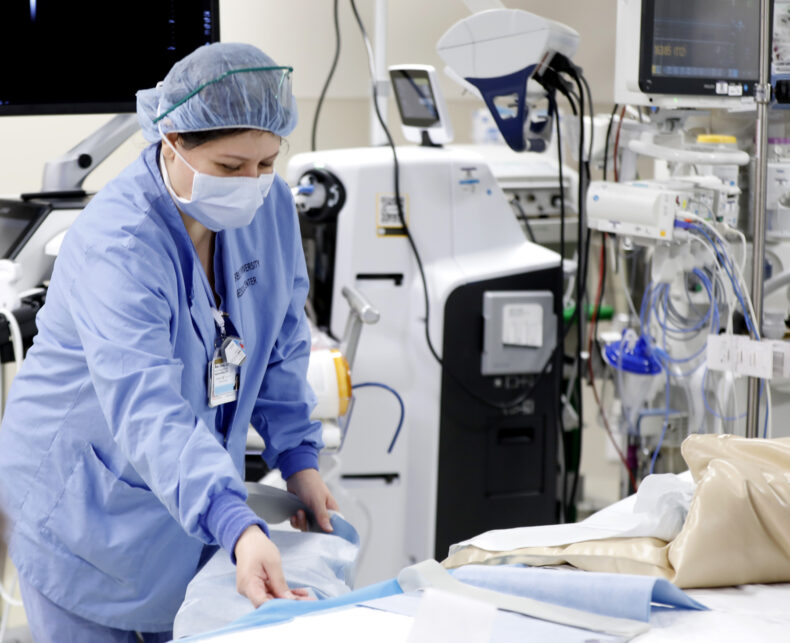
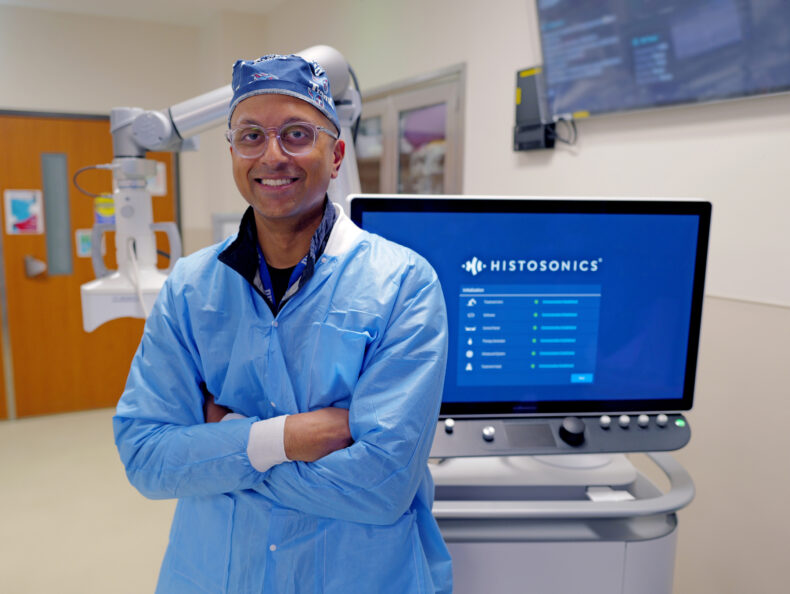
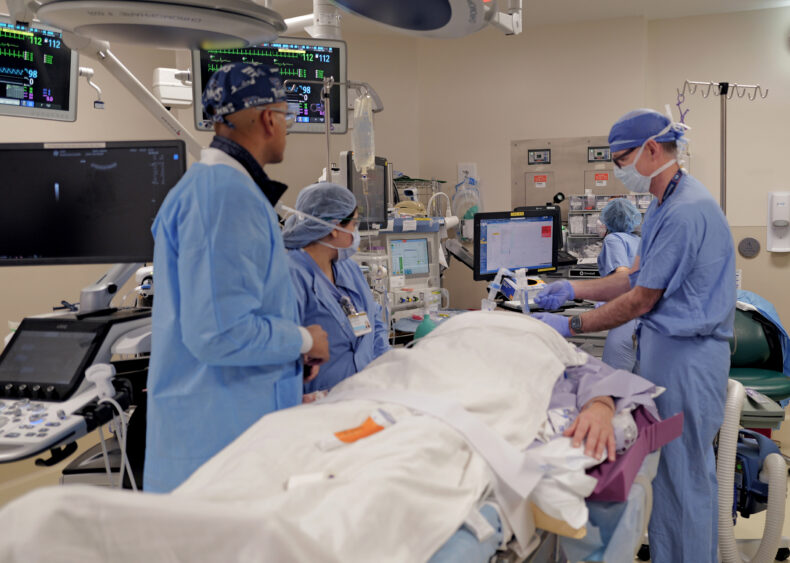
Sekhar Padmanabhan, MD, assistant professor of Surgery, performed the procedure, in which a tub of water held over Davis’ abdomen served as the medium through which the ultrasound waves passed. In histotripsy, the focused ultrasound energy causes small gas bubbles in the tissue to rapidly expand and contract. This process forms a “bubble cloud,” forcing the targeted tumors to be liquified while avoiding damage to other tissue.
“Histotripsy is a novel procedure, but one that shows a great deal of promise,” said Padmanabhan. “Thanks to generous philanthropic support, we’re building a world-class program to continue offering this technology to patients who can benefit from a noninvasive surgical option that yields excellent results.”
Vanderbilt-Ingram Cancer Center is among the first institutions to offer histotripsy. Appealing to patients for its noninvasive nature, it avoids many of the traditional drawbacks of surgeries that use incisions, including pain management.
“When I had my liver resection, that was some of the worst pain I’ve ever felt in my life,” said Davis. “And I’m allergic to many pain medications, too. Being able to get put to sleep for surgery and wake up without the pain of having my abdomen cut open changes everything.”
Davis had previously been in Padmanabhan’s care to receive a hepatic artery infusion pump, which successfully delivered high doses of chemotherapy to his liver while minimizing toxicity to the rest of his body. And although the cancer returned, Davis knew he was in good hands with Padmanabhan and Kristen Ciombor, MD, MSCI, associate professor of Medicine in the Division of Hematology and Oncology, who eventually helped him settle on histotripsy as the best option to treat his latest recurrence of cancer.
“The doctors at Vanderbilt-Ingram Cancer Center changed my life,” said Davis. “Having a care team who knew exactly what I needed and recognized that a newer procedure could help me has given me hope that I can continue fighting cancer.”