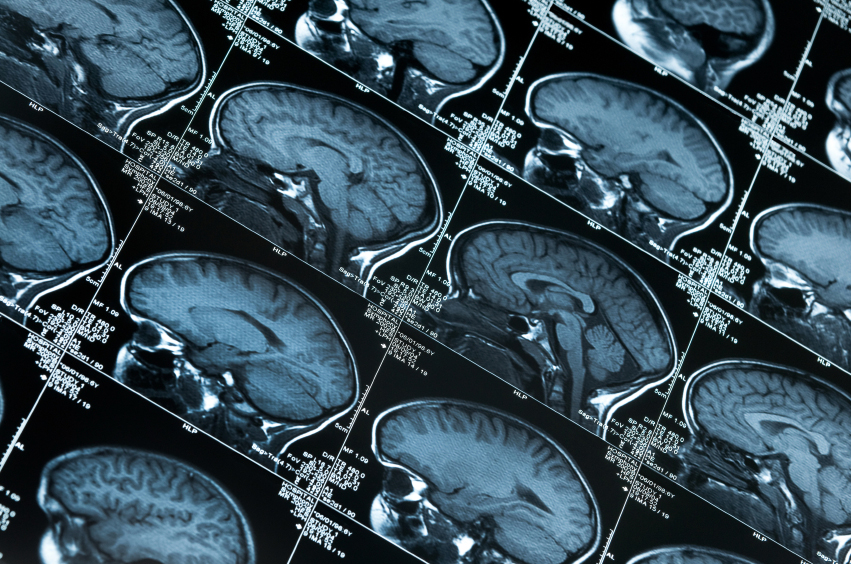
When we think about physical exercise, we might first think of toned abdominal muscles or firm biceps, but exercise is just as important for the brain, providing the most vital organ both mental and physical benefits.
Ciaran Considine, PhD, ABPP-CN, associate professor of Neurology and director of the VUMC Brain Health Clinic, explained that a key neurological benefit of exercise is an increase in blood flow to the brain.

“When you get your heart pumping, this directly feeds the areas responsible for memory and verbal skills,” said Considine. “This enhanced circulation delivers more oxygen and nutrients, essentially nourishing your brain cells to help them work more efficiently.”
Considine said physical activity also stimulates neuroplasticity (the brain’s ability to repair and remodel itself) by triggering the growth of new neurons. Long-term benefits stack up, too: Regular exercise increases the volume of gray matter in the brain, helps preserve overall brain structure, and reduces harmful chronic inflammation that can speed up cognitive decline.
There’s also a fascinating connection to sleep, said Considine. Exercise improves sleep quality, which increases the efficiency of the brain’s glymphatic system, a system he characterized as a “nighttime cleaning crew” that flushes out toxic waste products, including the protein buildup associated with neurodegenerative diseases.
Considine, a clinical neuropsychologist, also emphasized that there are mental and emotional benefits to exercising. He pointed to a major analysis of 57 studies that found that older adults who exercised showed significant improvements in cognitive function, with the biggest gains in areas like mental flexibility, memory and the ability to focus while filtering out distractions. The benefits can show up immediately, and “many people notice clearer thinking and better mood after just a single brisk walk,” Considine noted.
“Even light activities like daily stretching or gentle yoga make a meaningful difference compared to being sedentary,” said Considine. “Many of my older patients are surprised to learn that chronic, low-grade inflammation contributes significantly to that persistent tired feeling, and exercise is one of the most effective ways to combat this hidden energy drain.”
Exercise also triggers the release of mood-boosting neurotransmitters like serotonin, dopamine and norepinephrine, creating an immediate feeling of alertness, vitality and motivation that can last for hours after a workout. This natural chemical boost is why even a short walk can leave a person feeling more refreshed and focused.
“When you accomplish something challenging like a workout, it builds confidence and self-efficacy, which translates into feeling more capable and energetic in other areas of life,” said Considine.
He pointed to the standard recommendations for exercise volume that most people have heard before: at least 150 to 300 minutes of moderate-intensity aerobic activity per week (which amounts to just 30 minutes, five days per week), along with muscle-strengthening activities, such as lifting weights or using resistance bands, at least two days per week.
“The beauty is that you can break this up into shorter, more manageable chunks, making it much easier to fit into a busy schedule,” said Considine. “Ten-to-15-minute bouts spread throughout the day work just as effectively as longer sessions.”
Consistency and gradual progression are more important than intensity, especially when starting out, he said. Improvements to energy levels often take anywhere from a few weeks to months to become noticeable, but consistency will pay off in the long run. However, if fatigue persists despite taking up an exercise routine, Considine said it’s best to speak with a health care provider to rule out underlying medical issues that could be dampening energy levels or precluding a person from getting the most out of exercise.
“Sometimes, what feels like exercise resistance is actually an undiagnosed medical condition that needs to be addressed first,” he explained.
By using a gradual approach and collaborating with a health care provider when needed, exercise represents one of the most accessible lifestyle habits to improve both physical and cognitive health.
“I always tell my patients to start with what feels manageable,” said Considine. “Maybe a ten-minute walk three times a week and gradually build up. Many people start too intensively and end up feeling more worn out, so try scaling back to shorter, more moderate sessions and focusing on activities that feel good. The answer isn’t necessarily to do more, but to work smarter.”