 (photo by Erin O. Smith)

As health care systems nationwide contend with economic pressures, workforce shortages and shifting reimbursement models, Vanderbilt University Medical Center continues its disciplined strategy focused on long-term resilience and operational excellence.
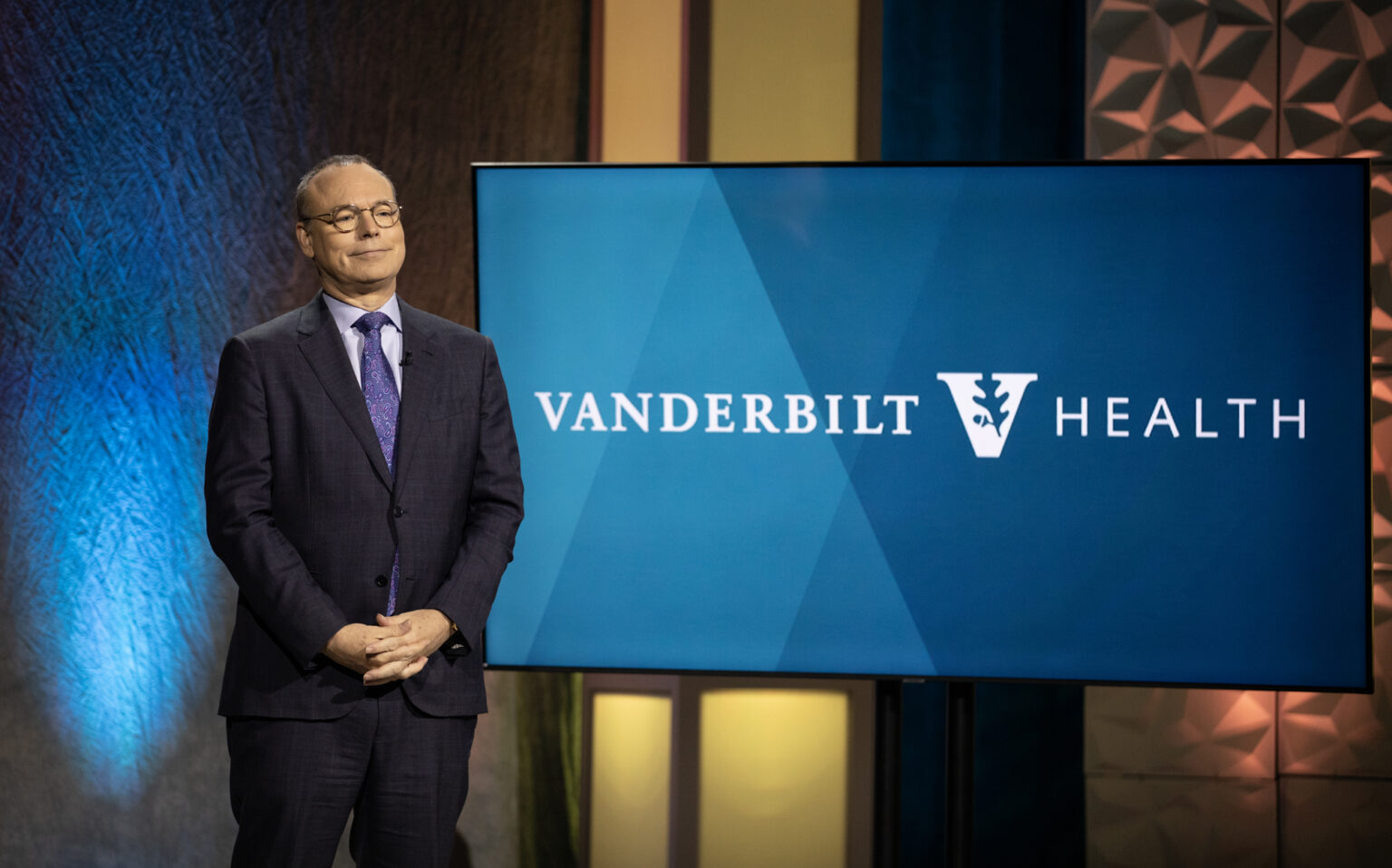
“We are not just responding to change — we are defining the future of health care. Our growth is intentional, built on quality, and designed to meet the needs of our region and beyond,” said Jeff Balser, MD, PhD, President and CEO of VUMC and Dean of Vanderbilt University School of Medicine, during the most recent and newly renamed Leadership Forum.
Academic infrastructure as a strategic asset
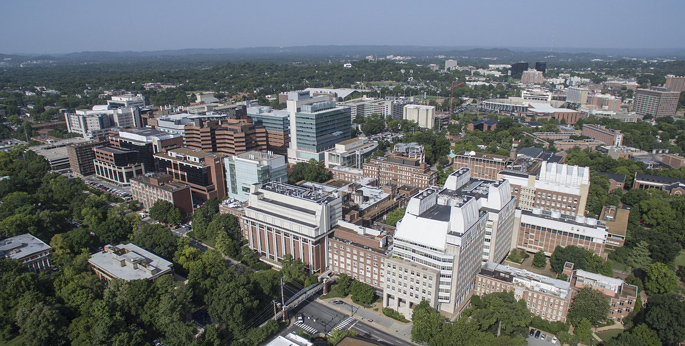
Being one of the nation’s largest academic medical systems provides a structural advantage. VUMC invests heavily in its own infrastructure for research and training — allocating over $1 billion annually to these functions, Balser said, explaining this investment integrates discovery, education and clinical care across the institution to maintain a pipeline of highly skilled professionals and deliver differentiated services.
This model has translated into national leadership in complex care: The Vanderbilt Transplant Center is currently the busiest transplant center in the U.S. across all solid organs, not just heart transplants.
“We aren’t the largest heart transplant program in this country because we have larger or more expensive facilities. It’s because we train people in over 25 specialties, giving us a constant supply of literally hundreds of care providers, all specializing in different features of this exciting field. And through research performed right here, we’ve become a world leader in preserving and reanimating organs, allowing us to perform far more transplants than other centers,” said Balser.
Operational focus and workforce engagement
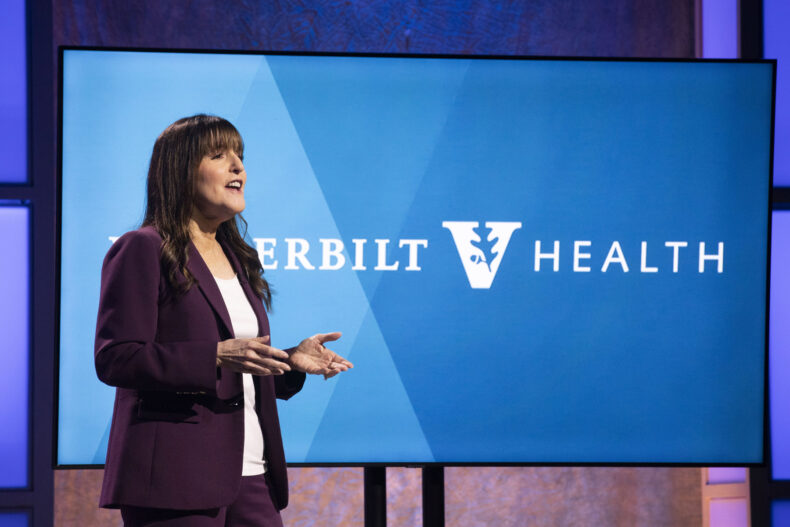
In her first Leadership Forum, Jane Freedman, MD, who assumed the role of Deputy CEO and Chief Health System Officer this summer, emphasized the importance of leadership accountability and workforce engagement in sustaining performance.
“My commitment to you is to build trust and communicate with transparency. I want you to feel confident in how and why I, and the senior leadership, make decisions that impact you and the institution,” said Freedman.
Freedman said one of her key goals is to build an organization even more focused on employee engagement, so people feel more energized at work.
“As leaders, we must bring a positive passion to our employees and help their sense of purpose. The simple things you do as a leader matter. In the few months since I started, direct interactions have been the highlight of my day,” she said.
Technology deployment to improve efficiency
Vanderbilt Health is deploying artificial intelligence across clinical and operational workflows to mitigate staffing constraints and improve service delivery. Tools like DAX Copilot are reducing the burden of documentation for physicians, while AI-assisted radiology prioritization is accelerating time-sensitive diagnoses, Balser said.
These initiatives are not designed to reduce head count, but to enable scalable growth without proportional increases in labor costs.
“AI will not in any way change the number of employees we need today. But as we adopt AI into our systems, we will enable Vanderbilt Health to grow as Nashville grows without hiring as many additional people. In the long run, that will make health care here less expensive — for us and for our patients — and bolster our economic resilience,” Balser said.
Regional expansion and system integration
VUMC’s integration of Regional Hospitals has strengthened access to care in underserved areas while optimizing systemwide capacity. These facilities now retain more patients locally and serve as extensions of the academic medical center, Freedman said. Vanderbilt Wilson County Hospital recently received approval for a primary care residency program starting next year.
“Our teams at Vanderbilt Health are integral to our mission and our success. Together, let’s focus on caring for one another, maintaining high-quality patient services, spreading joy with our employees, and expressing gratitude often,” said Freedman.