



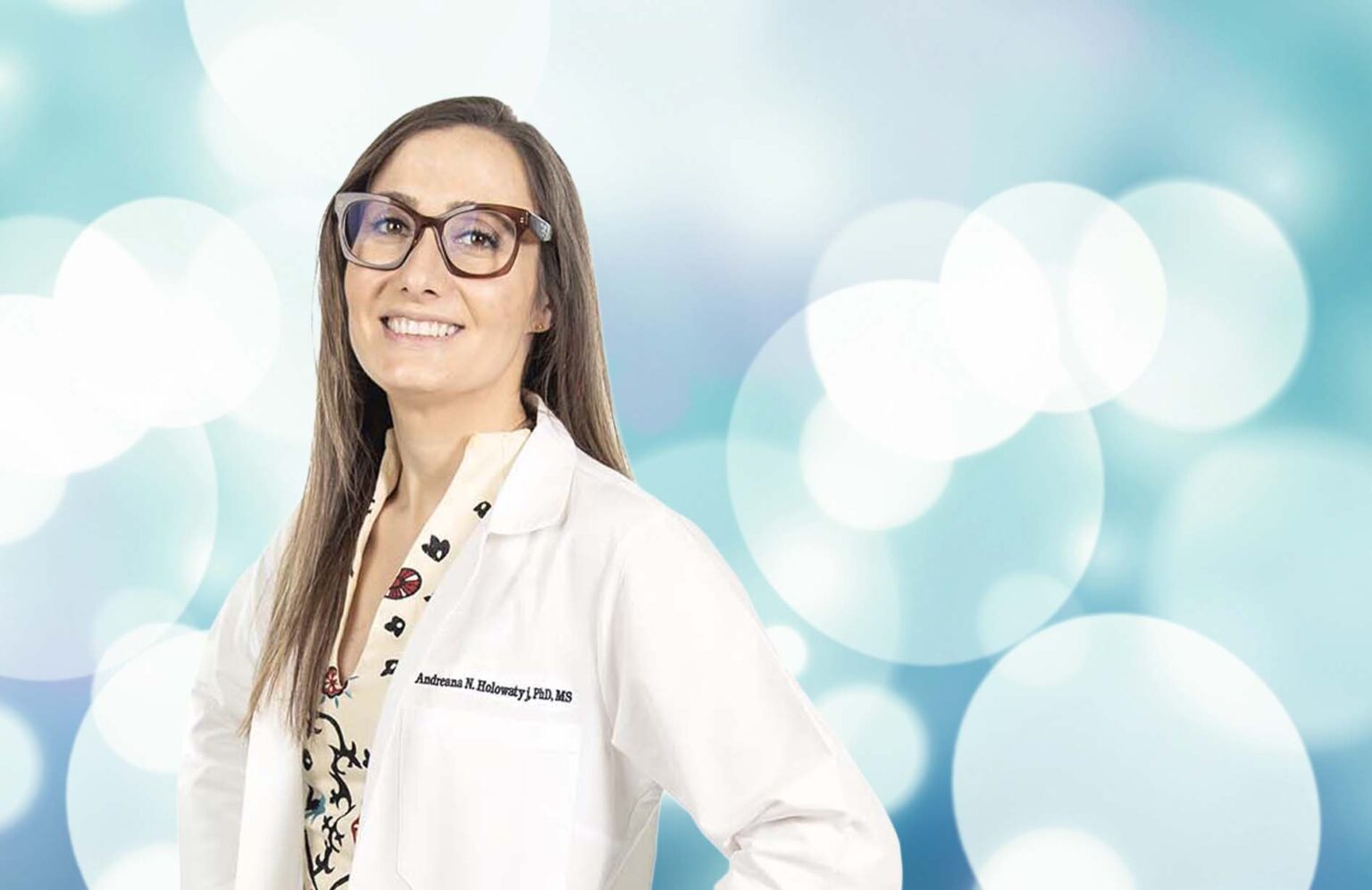

Andreana Holowatyj, PhD, MSCI, leads a clinical and translational oncology research program at Vanderbilt-Ingram Cancer Center and Vanderbilt Health focused on cancers among younger adults — from the lens of reproductive health, cancer biology/genetics, and other challenges facing these patients. She is founder and principal investigator of the Preserving Fertility After Colorectal Cancer (PREFACE) clinical trial, which examines the broad impacts of early-onset colorectal cancer.
Q. What should we know about the rise in early-onset cancers?
A. Cancer is historically thought to be a disease of aging, but rates of early-onset onset cancers — those diagnosed before age 50 — are rising. We’re seeing this across countries and economies worldwide. This includes breast, colorectal and endometrial cancers, and multiple myeloma. While we work to understand why, millennials and Gen Zers should learn red-flag signs and symptoms for different cancers and seek medical advice if experiencing them. Know your family cancer history. Don’t put off seeing your doctor. Get recommended cancer screenings. Early detection is crucial.
Q. Why have you focused your research program on early-onset cancers?
A. I started in this field over a decade ago. In clinic as a student, I began seeing more young people facing a new cancer diagnosis, and at later disease stages. It was alarming and perplexing. As a millennial myself, I was in a perfect position to study this population. This experience really opened a door that I’ve been privileged to passionately pursue throughout my career.
Q. Why are studies such as the PREFACE trial so vital?
A. The increasing number of people diagnosed with early-onset cancers inevitably leads to an increase in the number of people surviving this disease. These are individuals diagnosed in their 20s, 30s and 40s who face unique challenges — fertility, body image, sexual health, finances and navigating decades of life after diagnosis. Research efforts like PREFACE are vital to understand how we meet each patient where they are and provide them with personalized care strategies along their cancer journey.
Q. Is there promising work underway in early-onset cancers?
A. Absolutely! As translational and team science continues to grow, there is an increased appreciation for how the combination of varied expertise and lenses can yield paradigm-shifting discoveries to detect and treat early-onset cancers sooner. We’re also seeing momentum through partnerships with advocacy and research organizations, such as Fight Colorectal Cancer’s Global Early-Onset Colorectal Cancer Think Tank and Stand Up To Cancer’s Innovation Summit on early-onset cancers. These efforts are vital to fuel innovative ideas, spark collaborations and rapidly accelerate progress toward benefiting young adults who face early-onset cancer.