Chin Chiang Archive — Page 1 of 1

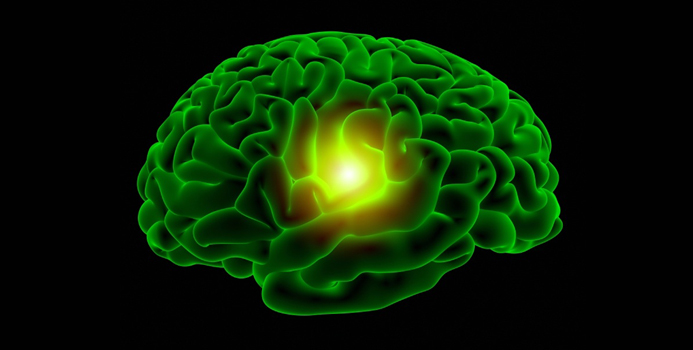
Stylized side view of a glowing blue human brain, with the cerebellum highlighted in pink and orange against a dark blue background.
August 30, 2018

A brain-builder called “Shh”

New findings demonstrate a previously unappreciated role of Shh signaling activity in the proliferation of CGNPs — the presumed cell-of-origin for a subset of the malignant pediatric brain tumor medulloblastoma.

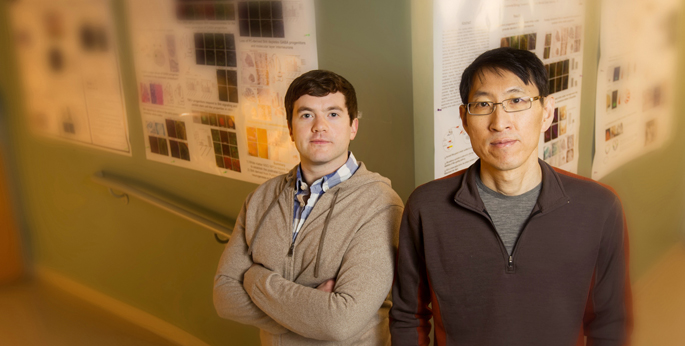
Two researchers stand in a hallway in front of scientific posters; the person on the left has folded arms, and the person on the right wears glasses.
December 12, 2013

VU study points to central regulator of neuron development

Developmental biologist Chin Chiang, Ph.D., and his colleagues have discovered that Purkinje neurons in the cerebellum act as central regulators of neuronal development.

Multiple raised hands reaching upward against a white background, including hands with varied skin tones.
April 1, 2013

Fingers and toes: joint forming factor

The gene Has2 participates in signaling that is important in developing fingers and toes, and may have relevance for cancer development.

Portrait of Chin Chiang, Ph.D., wearing glasses and a blue-and-white striped polo shirt outdoors.
July 12, 2012

Childhood cancer investigator lands ‘Lemonade Stand’ grant

Chin Chiang, Ph.D., professor of Cell and Developmental Biology and member of the Vanderbilt-Ingram Cancer Center faculty, has been awarded a $200,000 grant to study an aggressive form of childhood cancer.

brain illustration
June 14, 2012

Roots of childhood brain tumors

Cells in the back of the developing brain can give rise to brain tumors, suggesting they may be a target for treatment.