An international team that included researchers from Vanderbilt University Medical Center has discovered a molecular switch that induces rapid proliferation of zymogen granule-secreting chief cells in the stomach to regenerate damaged tissue.
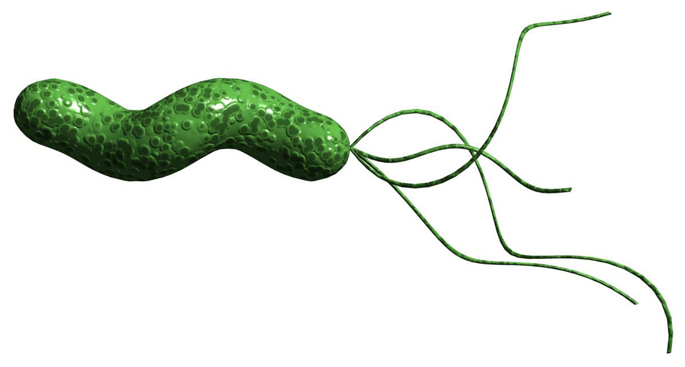
Researchers at Vanderbilt University Medical Center have identified a key factor that coordinates the body’s repair response to severe injury in the stomach caused, most commonly, by infection by the bacterium Helicobacter pylori.
VUMC researchers have created the world’s first laboratory model of precancerous changes in the lining of the stomach, a scientific tour de force that is helping to unlock the mysteries of gastric cancer development.
The stomach bug Helicobacter pylori increases forms of a protein that promote tumor development, perhaps explaining how it elevates risk for gastric cancer.
Dysfunction or loss of an “antioxidant” enzyme may lead to higher risk for esophageal cancer in patients with gastric reflux disease.
Children with stomach troubles grow up to be anxious adolescents and young adults, according to a recent study.