A top Vanderbilt-Ingram Cancer Center (VICC) investigator recently met with Vice President Joe Biden regarding the National Cancer Moonshot Initiative, a major national program to identify, fund and accelerate the most promising research leading to cancer cures.
Vanderbilt investigators have discovered details about the mechanism of an important DNA repair protein that maintains genome stability.
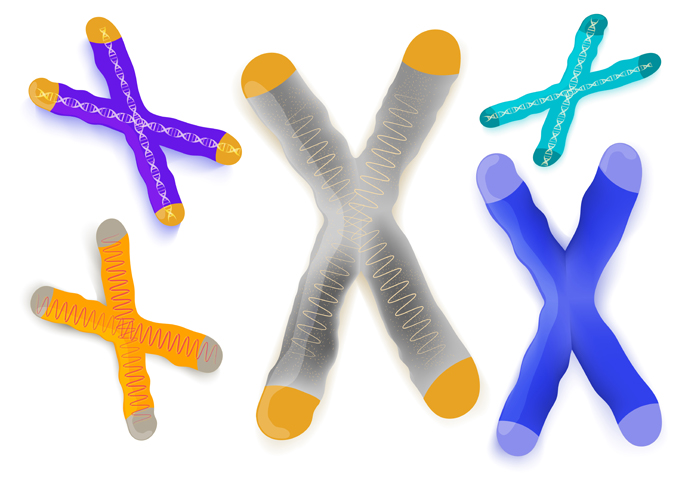
Telomeres – the caps on the end of chromosomes – are a source of stress for a particular protein involved in copying DNA, a new study reports.
Vanderbilt investigators have generated a “parts list” for the molecular machinery that duplicates DNA each time a cell divides. The research has implications for cancer therapies that target components of this machinery.
Insights into the workings of DNA damage response proteins such as SMARCAL1 could suggest new ways to improve genome integrity and prevent cancer.
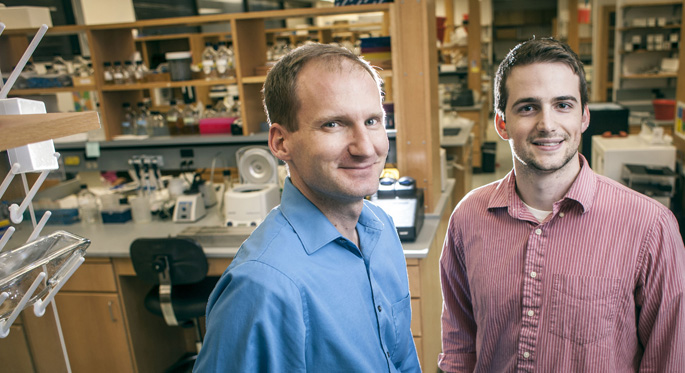
David Cortez, Ph.D., and his Vanderbilt colleagues report new findings that shed light on fundamental processes involved in DNA replication and have implications for cancer therapies that target these processes.