


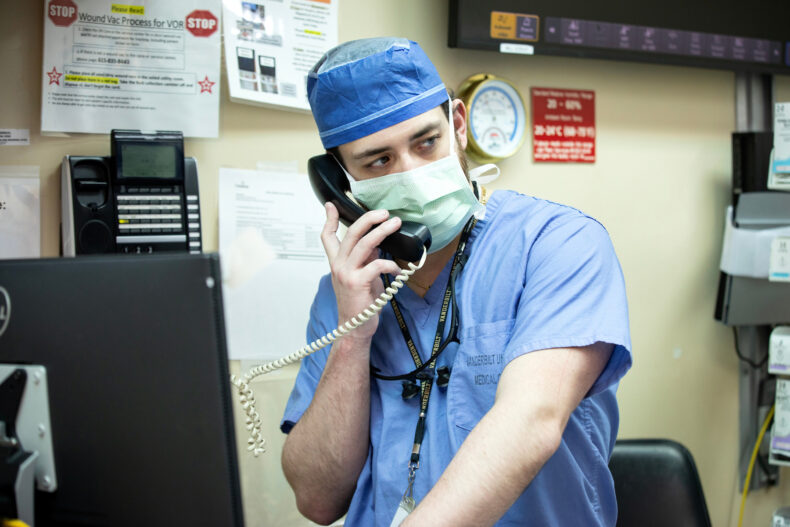
 Aaron Williams, MD, was recognized for developing a novel heart preservation technique that is expanding access to lifesaving transplants. In this 2025 photo Williams calls a patient’s family to let them know their family member’s heart transplant surgery is complete. (photo by Erin O. Smith)




Aaron Williams, MD, assistant professor of Cardiac Surgery, has been named to the 2026 TIME100 Health list of the world’s most influential leaders in health, recognizing his team’s pioneering work developing a novel heart preservation technique that is expanding access to lifesaving transplants.
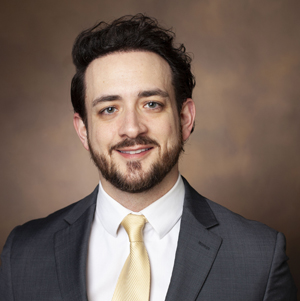
Williams helped lead the Vanderbilt Transplant Center team that developed REUP (rapid recovery with extended ultraoxygenated preservation), a method that uses oxygen-rich red blood cells and a muscle relaxant to preserve donor hearts for up to 12 hours — triple the typical four-hour window. The technique, which avoids traditional methods that reanimate the heart within or outside the donor’s body, could significantly increase the number of hearts available for transplant by enabling recovery from donors whose heartbeat and breathing have stopped.
The innovation comes as the Vanderbilt Transplant Center set a world record in 2025 for the second consecutive year, performing 210 adult and pediatric heart transplants. This work cements Vanderbilt Health and the heart transplant team as one of the primary architects of human heart transplantation over the last decade.
Each year about 5,000 people globally receive a heart transplant from a waitlist of about 50,000. “This technique is allowing us to provide access to hearts to a lot of people who wouldn’t otherwise get them,” Williams told TIME.


