


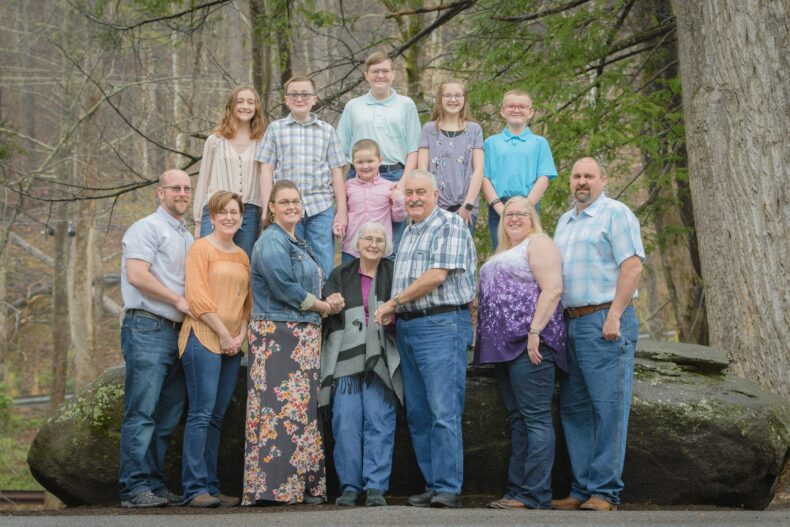
 Charlotte Davis, center, and her family. Davis underwent groundbreaking brain mapping surgery at Vanderbilt in 1995 to treat a deep-seated brain tumor. The procedure preserved areas controlling speech and movement, and Davis lived 30 more years after her surgery. (submitted by Shawnetta Compton)




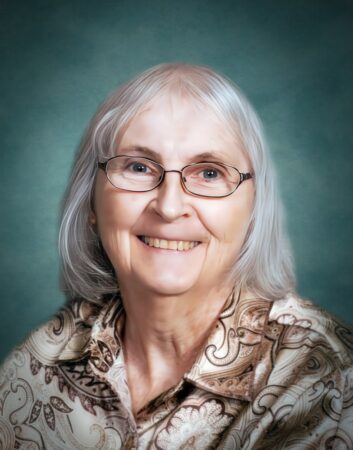
One family’s story of resilience and gratitude, tied to medical care received at Vanderbilt Health, is now at the center of a memorial fund dedicated to supporting the institution’s neurosurgical care and research.
The family of Charlotte Davis, who died in April 2025, is proud to honor her memory with the establishment of the fund set up by her daughter, Shawnetta Compton.
“We attribute my mother’s life to the skill of the amazing medical team at Vanderbilt,” Compton said. “I looked at my dad, and I said, ‘We’ve got to remember what they did for her and for us.’ … They’re always about pushing that boundary to help prolong people’s lives and do what they think is the unachievable.”
In 1995, Davis was treated for a deep-seated brain tumor by the late William F. Meacham, MD, then the chair of the Department of Neurological Surgery, and the late Robert J. Maciunas, MD, associate professor of Neurological Surgery. They completed a groundbreaking procedure using “brain mapping” to protect critical areas that control speech and movement during surgery. This preserved Davis’ quality of life, and she lived 30 more years after her surgery.
Those 30 years ended up being significantly greater than even the most optimistic prognosis for Davis’ future. Compton said her mother’s surgeons told her that despite the state-of-the-art procedure, it was likely the cancer would return in five to ten years.
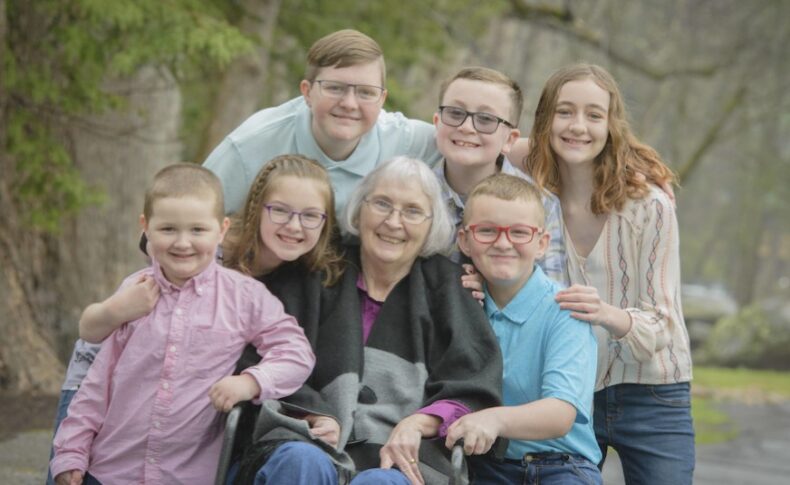
“She would go every six months for continuing MRIs, but the tumor never came back,” said Compton. “We had 30 years that were not guaranteed with my mom. … In those 30 years, she saw my brother, sister and I get married, she saw the birth of six of her grandkids … she got to live a life that none of us thought would be possible.”
Compton said she hopes the memorial fund brings attention and resources to the leaders and providers who can achieve the unachievable for future patients, just as her mother’s surgeons did for her.
“One thing my parents instilled in me was that it’s important to give back, especially to those who have helped you,” she said.


