


 iStock

It’s a common sight — baby strollers and carriers draped with blankets to shield and protect infants and toddlers from the elements.
But as temperatures rise, the practice can lead to a child overheating.
“The one thing we do to keep our babies safe may also be one of the most dangerous,” said Stacey Pecenka, MPH, CPH, manager of the Trauma Injury Prevention Program at Monroe Carell Jr. Children’s Hospital at Vanderbilt. “Even the thinnest of cloths or covers over the stroller or carrier can reduce air circulation and create a greenhouse effect in the enclosed space, potentially leading to dangerously high temperatures inside the stroller.”
Strollers can provide shade with canopies, making them great for walks and other outdoor activities, but it’s important to not park strollers in direct sunlight to prevent overheating. Stroller fans are helpful for air circulation, but parents should be very cautious about fan placement to avoid accidents.
As parents and caregivers are being mindful of safety in rising temperatures, Pecenka also urges adults to take appropriate steps to prevent hot car deaths and injuries.
“Hot car deaths are 100% preventable,” stressed Pecenka. “In only 10 minutes, temperatures inside a vehicle can heat up to dangerous levels. It doesn’t even have to be hot outside to make the car dangerously hot for a child.”
Even on cooler days closer to 70 degrees, children can experience vehicular heatstroke.
Pecenka offers these tips when using strollers and carriers:
- Appropriate clothing can provide great relief from the heat. Dress children in light, loose-fitting clothing to prevent them from overheating.
- Keep your child in the shade when outside.
- Make sure your child is cool during car rides.
- Keep your child hydrated. Water is a great tool for lowering body temperature and preventing the onset of hyperthermia (overheating).
- Find a stroller that has a canopy with an opening in the back to keep air moving.
- Frequently check on your child: When walking or jogging with a child in a stroller, check in every 10-15 minutes.
“If their cheeks are flushed, if they’re sweating, if they’re warm to the touch, that’s probably too hot,” Pecenka cautioned.
“Good ventilation is important for the comfort and safety of a child, so think about the alternatives to coverings on hot days,” she added. “It’s important to be mindful of the temperatures, and it’s especially important to protect your child from the damaging rays of the sun. Use a sun hat and sunscreen.”
For hot car safety Pecenka said most heat-related vehicular tragedies involve a child who was unknowingly left or gained access to the vehicle on their own, as well as “when there is a change in routine and parents are distracted and forget that a child is in the backseat.” One of the most important steps is to keep cars locked and keys out of reach of children.
The effect of a hot car on a child’s body can lead to serious harm and even death.
“It’s a type of hyperthermia where the body can’t cool off fast enough,” she explained. “In a hot car, the child experiences prolonged exposure to high temperatures which can lead to heat stroke and death. Once the core body temperature reaches about 104 degrees, heatstroke begins to affect the child. A child’s body heats up four times faster than an adult.”
Tips for avoiding hot car-related injuries:
- Never leave your child alone inside the car, even for a minute. Rolling windows down or parking in the shade does little to change the interior temperature of the vehicle.
- If you see a child alone in a locked car, act immediately and call 911. A child in distress due to heat should be removed from the vehicle as quickly as possible and rapidly cooled. In Tennessee, it is illegal to leave your child unattended in a car. The Tennessee Good Samaritan Law protects people who act to rescue a child or animal trapped in a vehicle. Before breaking a window, they must call 911 or the fire department.
- Use cellphone or computer reminders to make sure children have been dropped off at the desired location.
- If your child is missing, check vehicles and trunks first.
- Teach your children to never play inside vehicles to prevent them from accidentally locking themselves inside one.
- Be sure to lock all doors and windows of vehicles on your property.
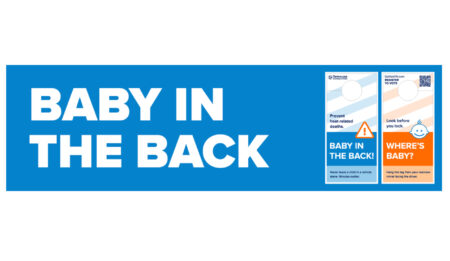
- Look before you lock. Get into the routine of always checking the back seats of your vehicle before you lock it and walk away. Monroe Carell has free hangtags available in the Family Resource Center on the second floor. The tags are provided by the Tennessee Secretary of State to serve as a visual reminder to check the backseat.
- Get in the habit of keeping a stuffed toy or other memento in your child’s car seat, then move it to the front seat as a visual reminder when the baby is in the back seat. Or place your phone, briefcase or purse in the back seat when traveling with your child.
- Have a plan with your childcare provider. If your child does not show up to daycare or school without prior notice, someone should call to locate the child. Have your childcare provider call if your child is more than 10 minutes late.


