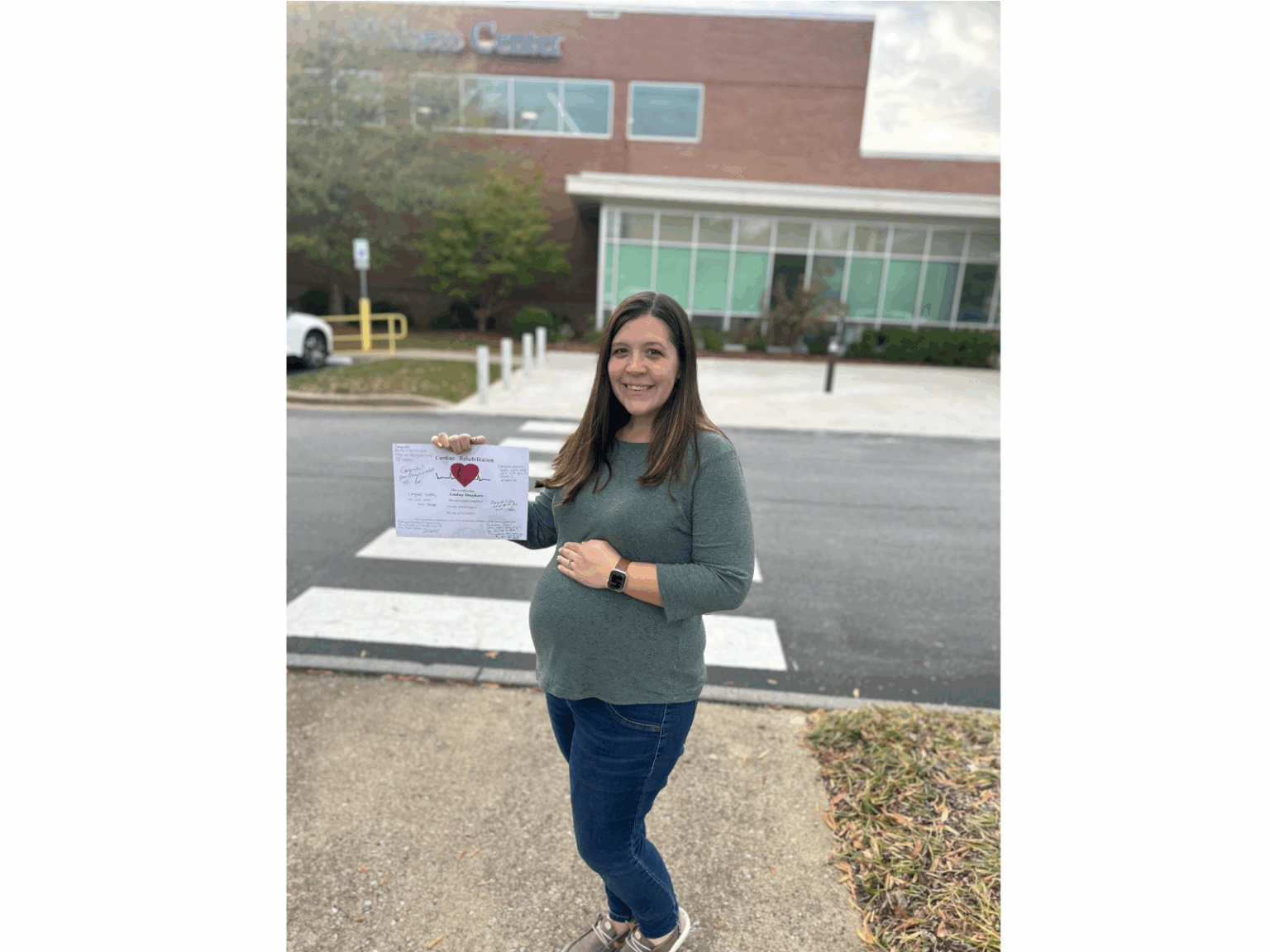
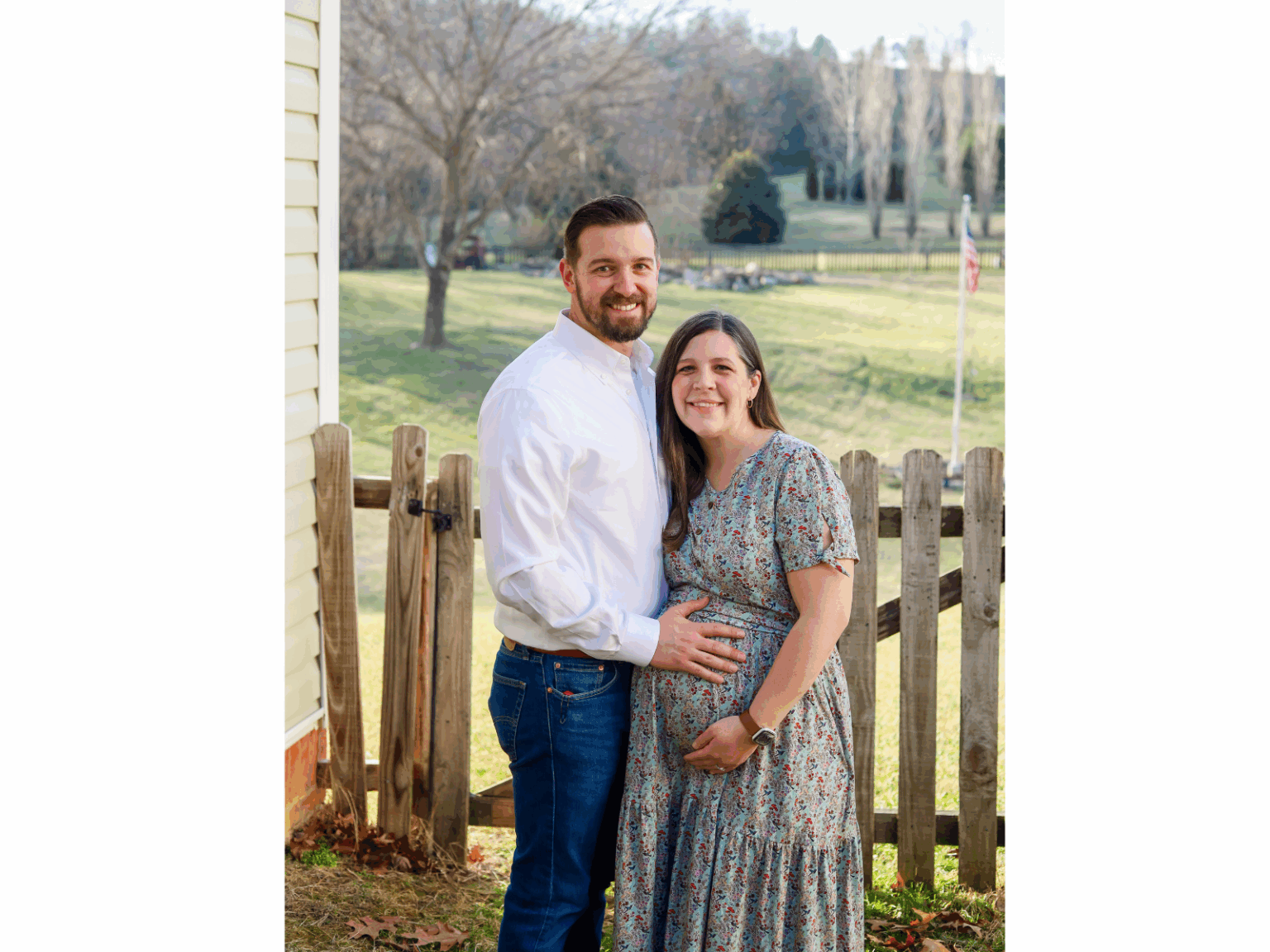
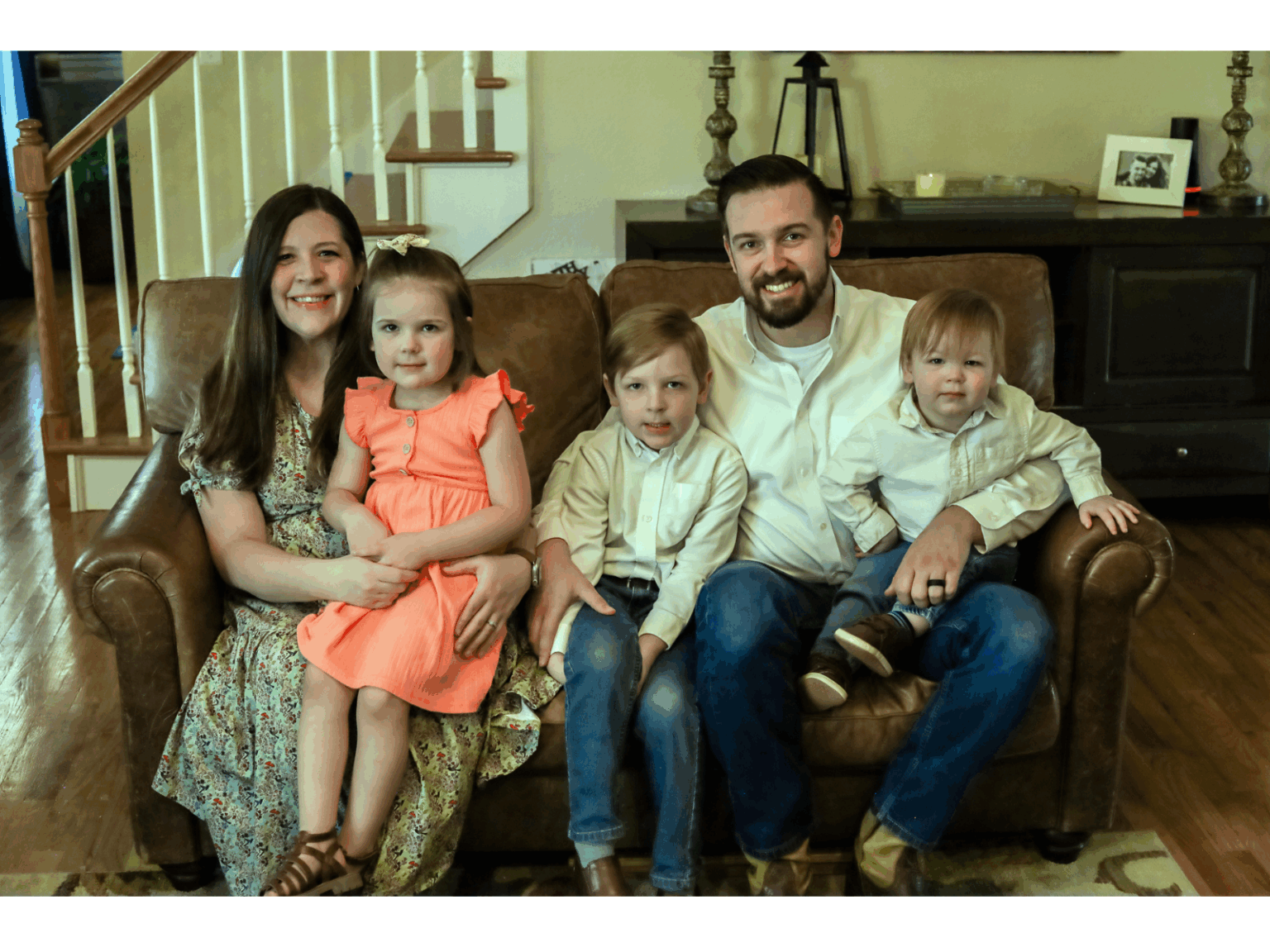

Lindsey Strayhorn of Jonesborough in East Tennessee was a 36-year-old mother of three with no known heart issues and three normal pregnancies and deliveries.
She found out she was pregnant with her fourth child after having a heart attack in July 2024.
Strayhorn, a nurse, said she was fortunate that she understood what was going on during her medical episode and knew a local cardiologist. But a few days after being released from the hospital, she was sick again and returned, where she discovered she was about four weeks pregnant.
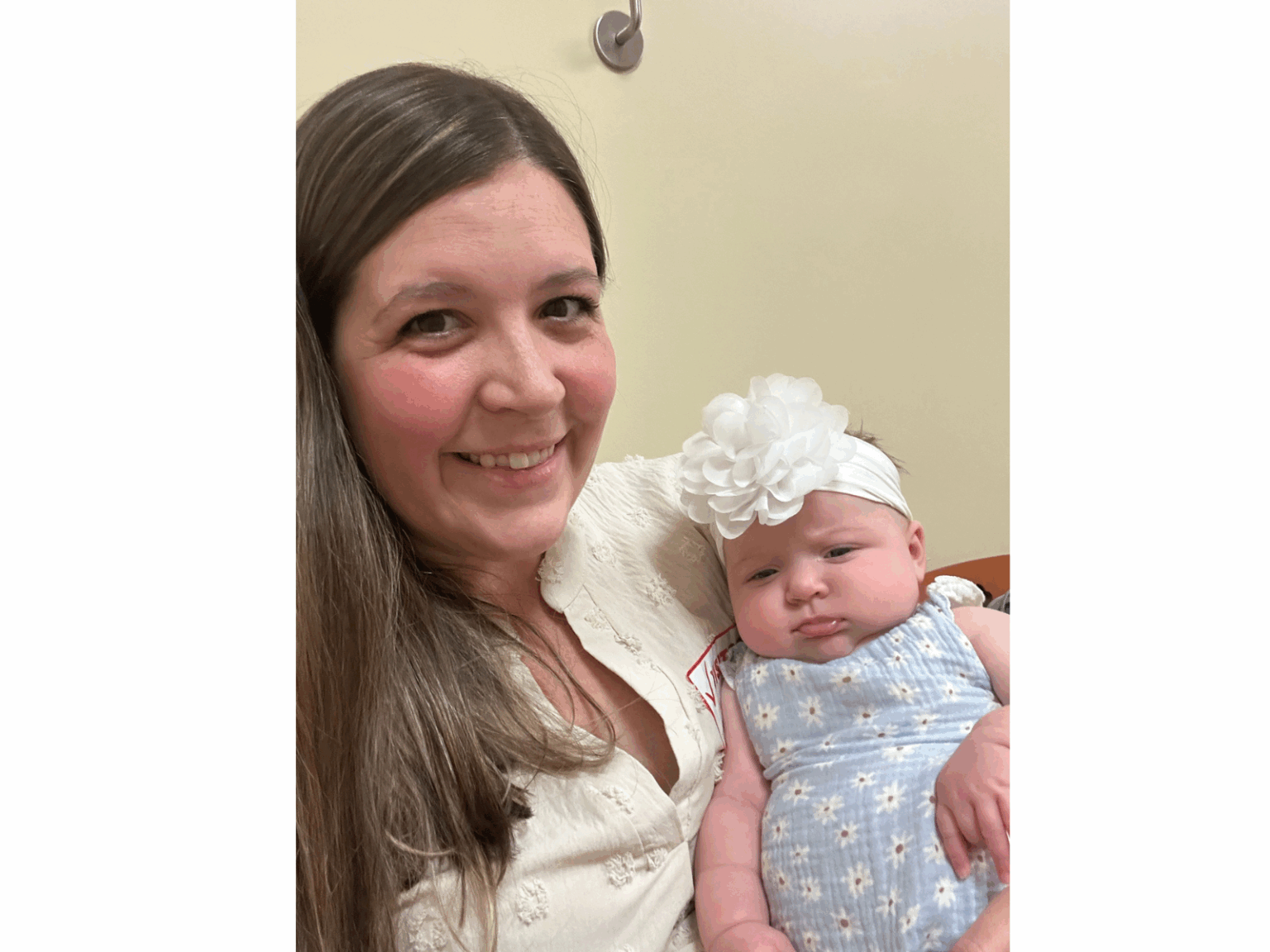
Strayhorn sought the care of a local cardiologist and a high-risk obstetrician and contacted the Women’s Heart Center at Vanderbilt University Medical Center in December for a second opinion. Strayhorn came under the care of Kathryn Lindley, MD, director of the center and and holder of the Samuel S. Riven, MD, Directorship in Cardiology, which led to the safe delivery of a healthy baby girl, Lydia, in March at VUMC.
“Every step of the way, Vanderbilt has exceeded my expectations in the best way and even from that very first day,” Strayhorn said.
Strayhorn’s medical journey highlights the need for women to be vigilant about heart health when pregnant or thinking about becoming pregnant, and it illustrates the multidisciplinary expertise of the Vanderbilt Women’s Heart Center, Cardiac OB/High-Risk Pregnancy Team and maternal-fetal medicine specialists, who brought Strayhorn safely through a dangerous pregnancy.
Last summer, Strayhorn had a heart attack called a spontaneous coronary artery dissection or SCAD, which happens when a tear or split develops in the wall of a coronary artery, the blood vessels that supply blood to the heart.
She joined several groups on social media about SCAD to learn more, and the groups pointed to Lindley and the Vanderbilt Women’s Heart Center, so she asked her obstetrician for a referral that winter. Before she returned home from her visit, she had an appointment to Vanderbilt two weeks later, in December 2024. She was impressed with the team she met in Nashville.
“Everybody was so professional, so nice, so efficient,” she said. “I talked to Dr. Lindley, and one of the first things that she said was ‘You have found the right place. You found the right people. We’re going to take great care of you.’”
Strayhorn said it was a huge relief to hear that and felt confident in her care at Vanderbilt. “No matter who I saw, everyone seemed to be on the same page with my care,” she said.
Conditions that were unusual for her local team to treat were routine at Vanderbilt, she noted, which sees hundreds of patients just like her each year. “It made me feel so much better to know I was in a place where it was familiar,” she said.
“SCAD is a high-risk condition in pregnancy,” Lindley said, “but Vanderbilt is a high volume, expert referral center for both SCAD and high-risk pregnancy care. Through the collaborative teamwork in cardiology, OB-GYN, anesthesiology and nursing expertise, we can provide excellent support to high-risk patients like Lindsey.”
Strayhorn’s pregnancy was challenging.
She spent some of the time on bed rest, dealing with severe reflux. Other times, she couldn’t be home alone with her three other children. She was on several medications with side effects, her heart rate “was all over the place,” and she had frequent trips to the hospital for checkups.
“They told me I had a 10 to 20% chance of having another cardiovascular event or complication during my pregnancy and up to three months after,” she said. “So, it was very scary. Every little thing kind of made me fearful.”
At 37 weeks, Vanderbilt’s doctors advised Strayhorn to have her delivery induced; the baby was at term and waiting could introduce more risk. Strayhorn traveled to Vanderbilt to be induced and have a healthy delivery.
Three months after delivering baby Lydia, Strayhorn said she isn’t completely back to normal yet but feels much better. “I really think a lot of that is because of the care I received here,” she said. “I don’t think I could have gotten better care anywhere else.”