


Division of Cardiovascular Medicine Archive — Page 1 of 13




-
August 10, 2026
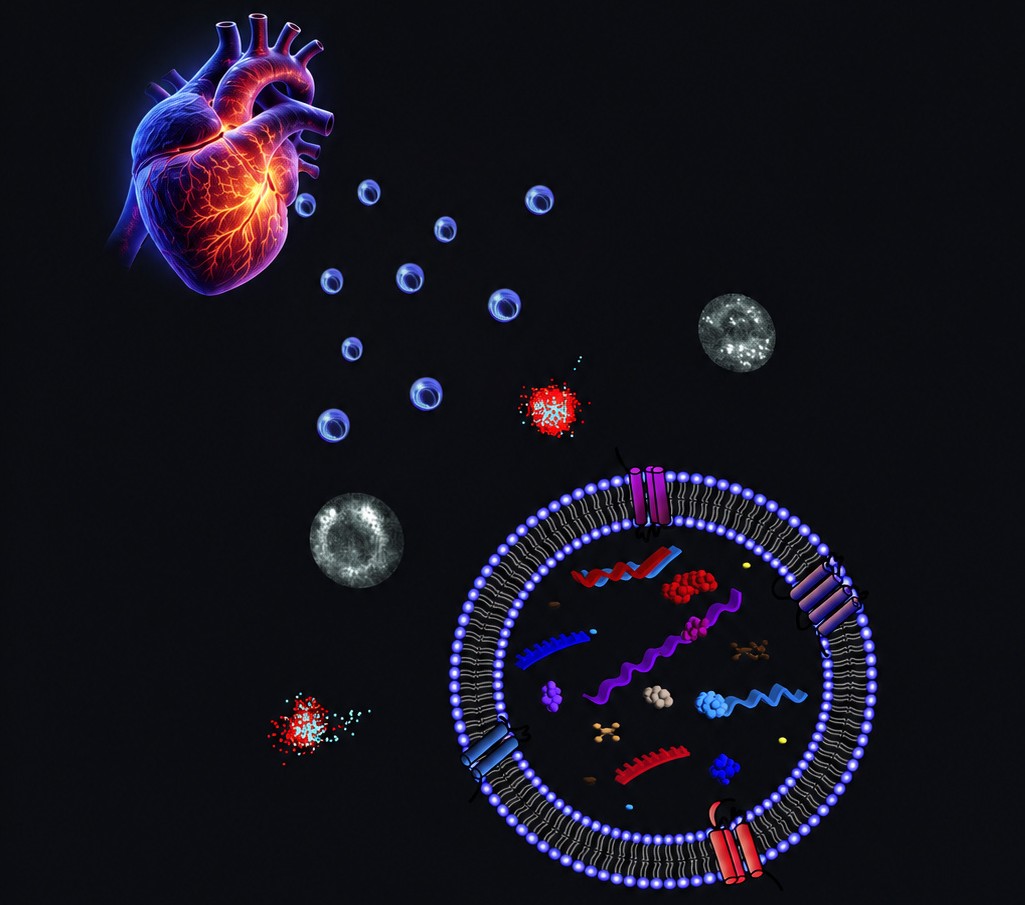
Molecular mapping reveals hidden cellular programs in heart transplant rejection
Study provides a unique resource to guide future research on acute rejection diagnosis, therapeutic response prediction, and risk for chronic rejection. -
August 5, 2026
Daniel Muñoz named President-Elect of American Heart Association Southeast Board of Directors
Muñoz has served as a member of the AHA’s Greater Nashville Board, including a two-year term as president from 2021-2023. -
August 3, 2026
New minimally invasive option available for patients with mitral valve disorders
Minimally invasive procedures are relatively quick and painless compared to surgical alternatives, and patients typically require a significantly shorter stay in the hospital to recover. -
August 3, 2026
American College of Cardiology recognizes Vanderbilt University Hospital’s care for heart attack patients
In addition to the Gold Performance Achievement Award given to Vanderbilt University Hospital, Vanderbilt Tullahoma-Harton Hospital earned a Silver Performance Achievement Award. -
July 20, 2026
Vanderbilt Health-led registry identifies gaps, aims to improve outcomes for aortic stenosis patients
The registry is the first to track data and evaluate the quality of upstream care processes before valve replacement for patients with aortic stenosis — the most common type of heart valve disease in developed nations. -
June 9, 2026
New guidance document aims to improve postpartum cardiovascular care, prevent deaths
“This is the first cardiovascular society guidance that has been published on postpartum care for women with cardiovascular disease and is a major step forward in evidence-based care to reduce cardiovascular morbidity and mortality in pregnant women.” -
June 3, 2026
Study questions standard screening test for amputation risk in veterans
In a review of the electronic health records of more than 223,000 veterans treated at Veterans Health Administration facilities, the researchers found that even modest decreases in the normal ABI correlated with a higher risk of major adverse limb events (MALE) requiring intervention, including amputation and revascularization (treatment to restore blood flow).