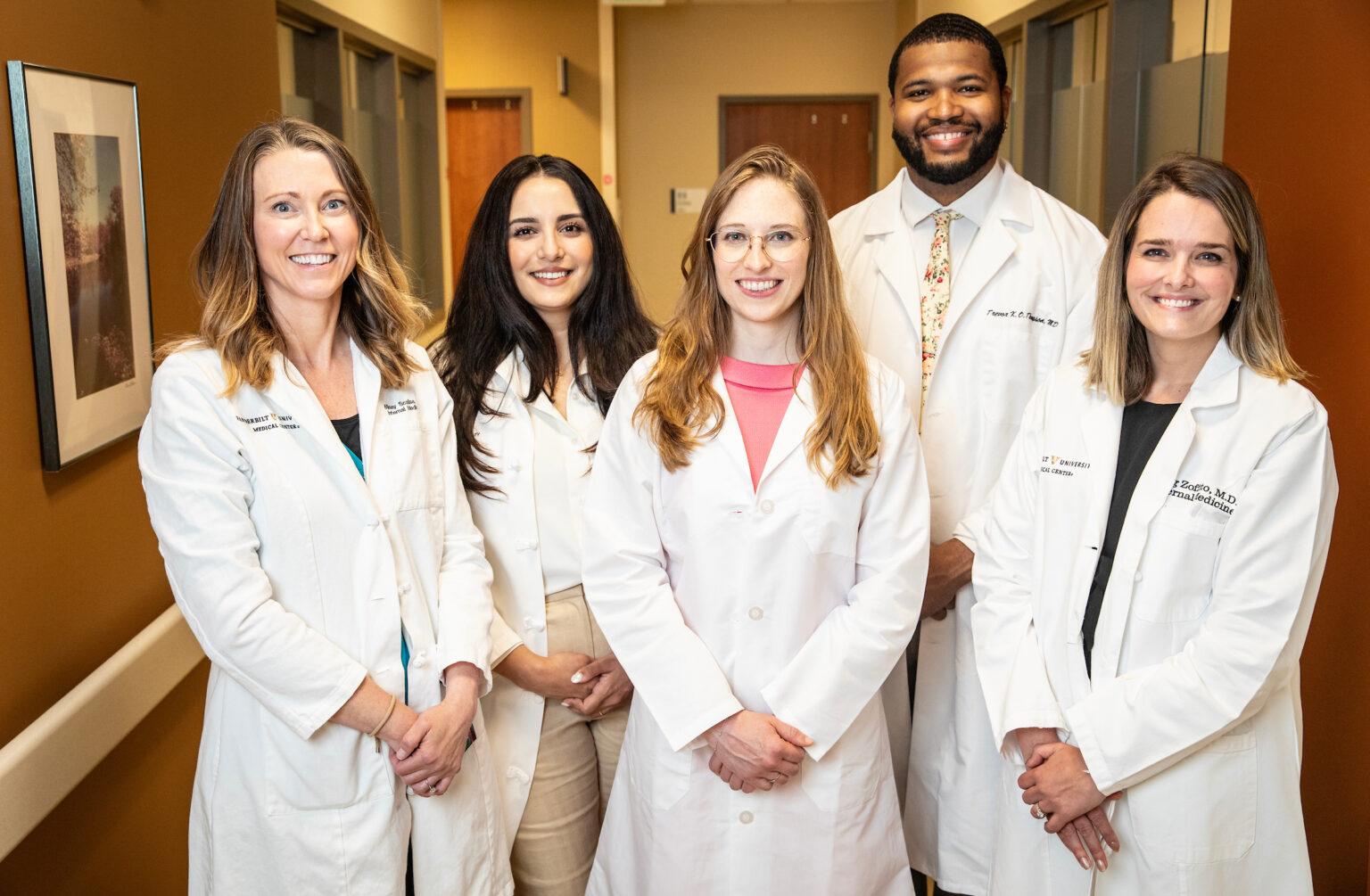
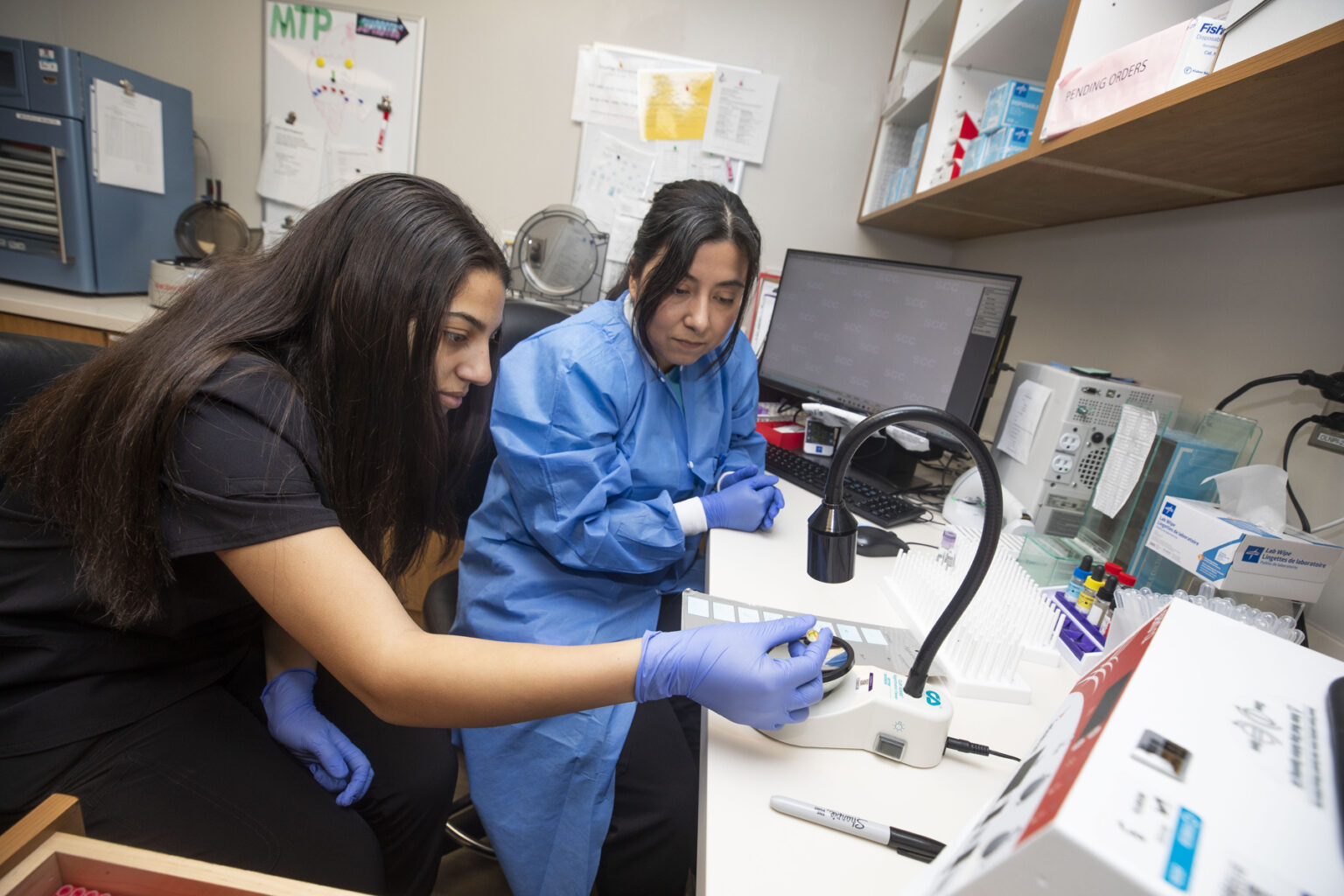
 “My experience at Vanderbilt Wilson County Hospital has been genuinely meaningful. I’ve learned a lot and felt supported along the way. This opportunity encouraged me to keep pursuing health care,” said student Ereny Gad, here shadowing Lorena Romero Alberto, MT, in the blood lab at VWCH. (photo by Susan Urmy)

Mt. Juliet High School seniors are exploring health care careers outside of the classroom and looking behind the (hospital) curtain at what a medical career truly entails through hands-on experience at Vanderbilt Wilson County Hospital (VWCH).
VWCH has partnered with Mt. Juliet High School on the hospital’s first inpatient training experience that brings high school students directly into clinical settings to learn about the many roles that support the health and well-being of patients in their community. The inaugural program ran from September through December 2025.
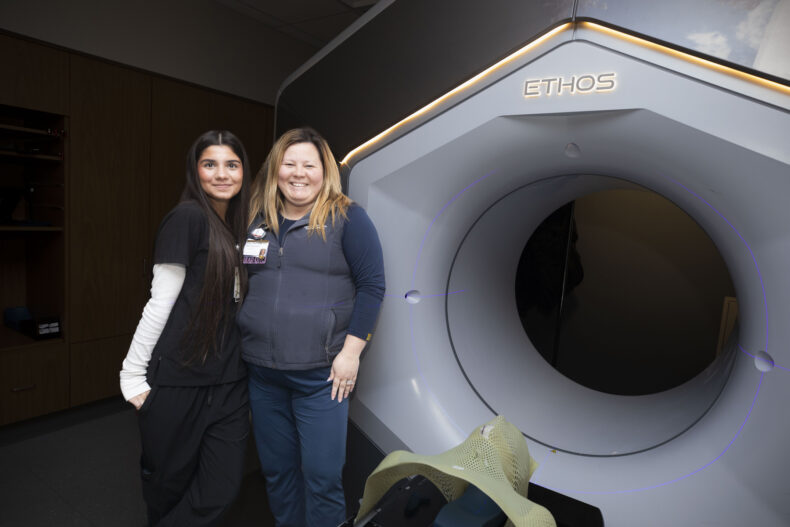
For 10 students, the program counted as a state of Tennessee health science course. Over an 11-week period, two days each week, students shadowed hospital teams across multiple departments. They built relationships with patients, assisted with patient movement, ran samples to the lab, and gained firsthand exposure to the daily operations of inpatient care.
“This is the first time that we’ve been able to be fully immersed in that intensive, inpatient environment,” said Amber Watson, CRT, MDX, Health Sciences department head at Mt. Juliet High School. “It’s been eye opening for the kids, and they have learned so much.”
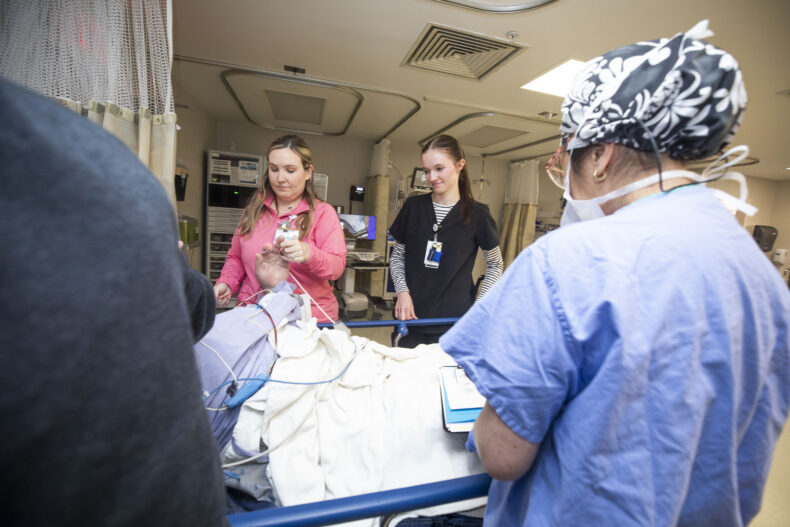
The program was a passion project of Jeanne Yeatman, DNP, MBA, RN, Chief Nursing Officer for VWCH, who empowered Audrey Kuntz, EdD, MSN, RN, senior associate at VWCH, and Pamela Sieffert, MEd, program director for Workforce Planning, Human Resources and Workforce Strategy at VWCH, to bring the vision to life — combining education, experience and mentorship.
Students applying for the rotation complete a competitive selection process that includes reference letters from a community member, a health science teacher and a general education teacher, along with completion of at least three health science courses. These prerequisites ensure students enter the program equipped with foundational medical knowledge, assessment skills and in some cases, medical assisting licenses.
Written cover letters identify each student’s primary areas of interest and help leaders like Kuntz place them into rotations across the hospital, including general medicine, intensive care, step-down units, perioperative services, radiology, radiation oncology, women’s health, cardiac catheterization laboratory and the emergency department.
“Rotating units helps them understand that we can’t do our jobs in isolation and allows them to appreciate every role and how we have to coordinate together for patient care,” Kuntz said.
“Many students understand what nursing is, but there is often a lack of awareness regarding the specialties available to pursue. There was really nothing off limits. We welcomed them into every environment.”
Students who entered the program with an interest in one specialty were able to experience it firsthand while also exploring other areas — sometimes discovering a passion they hadn’t previously considered.
“My clinical experience taught me more than I ever could’ve learned in a classroom,” said Mt. Juliet High School senior Zavier Key. “Being hands-on, working with real patients, and seeing real situations helped everything click in a whole new way.”
VWCH will continue to evolve the program, beginning its second student rotation Feb. 9. Leaders are further tailoring the experience based on feedback from students and employees, including introducing structured unit overviews, offering longer department rotations, and exploring expanded partnerships with additional community schools.
“When I think about health care, I’m thinking about how we’re growing and developing the next generation,” Yeatman said. “Connecting with these students who bring passion and excitement into their learning has been delightful, and it’s reenergized our staff and allowed them to share their own passion for what they do and why they do it.”
Looking ahead, VWCH is also exploring opportunities to replicate the program in other communities served by regional Vanderbilt Health hospitals, as well as examining the potential for part-time health care roles for students within the hospital.
“This is a small way to build our pipeline, but more importantly, we’re helping develop clinicians who will one day care for their community — whether that’s with us or wherever their career takes them,” Sieffert said.