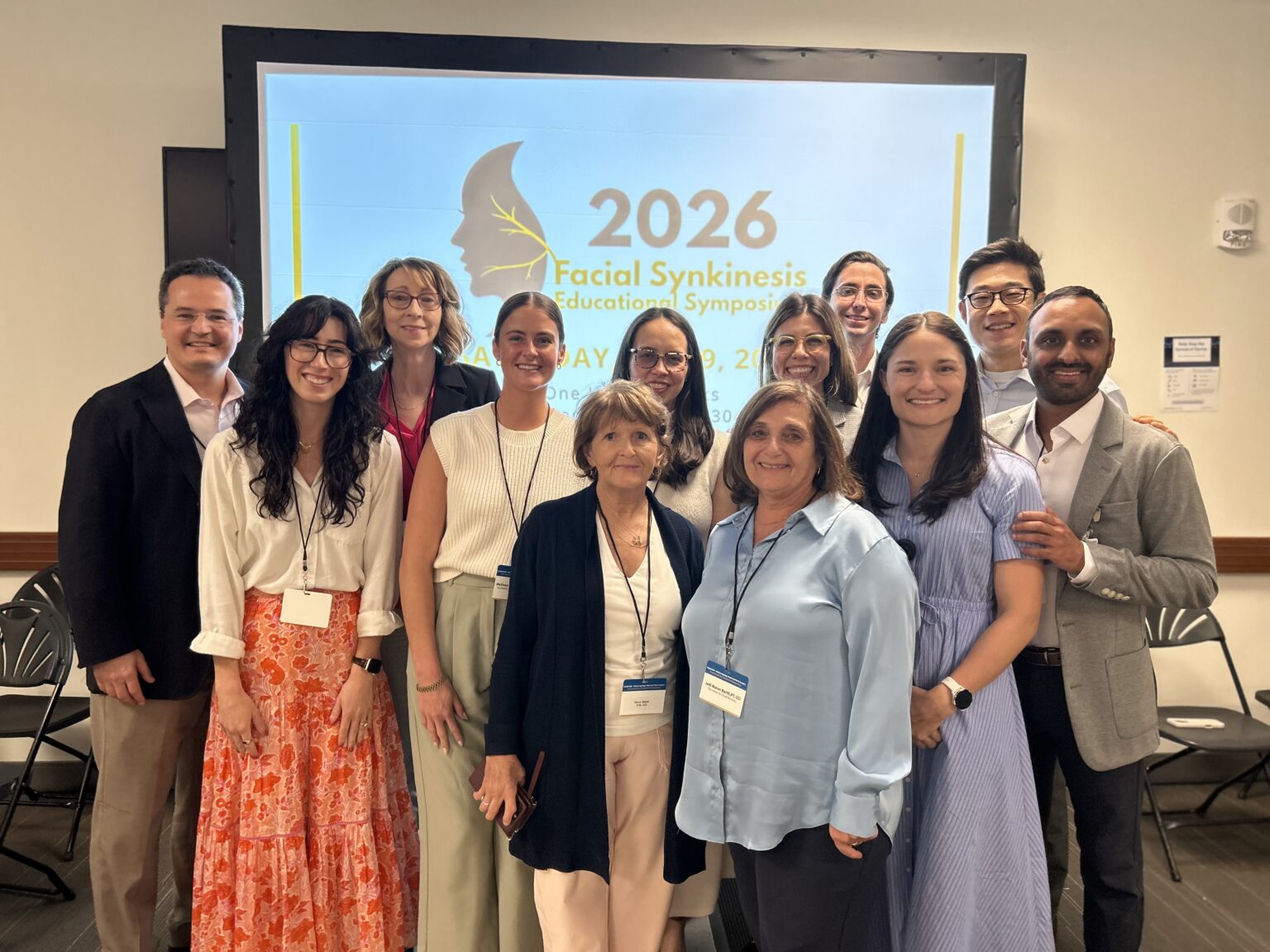
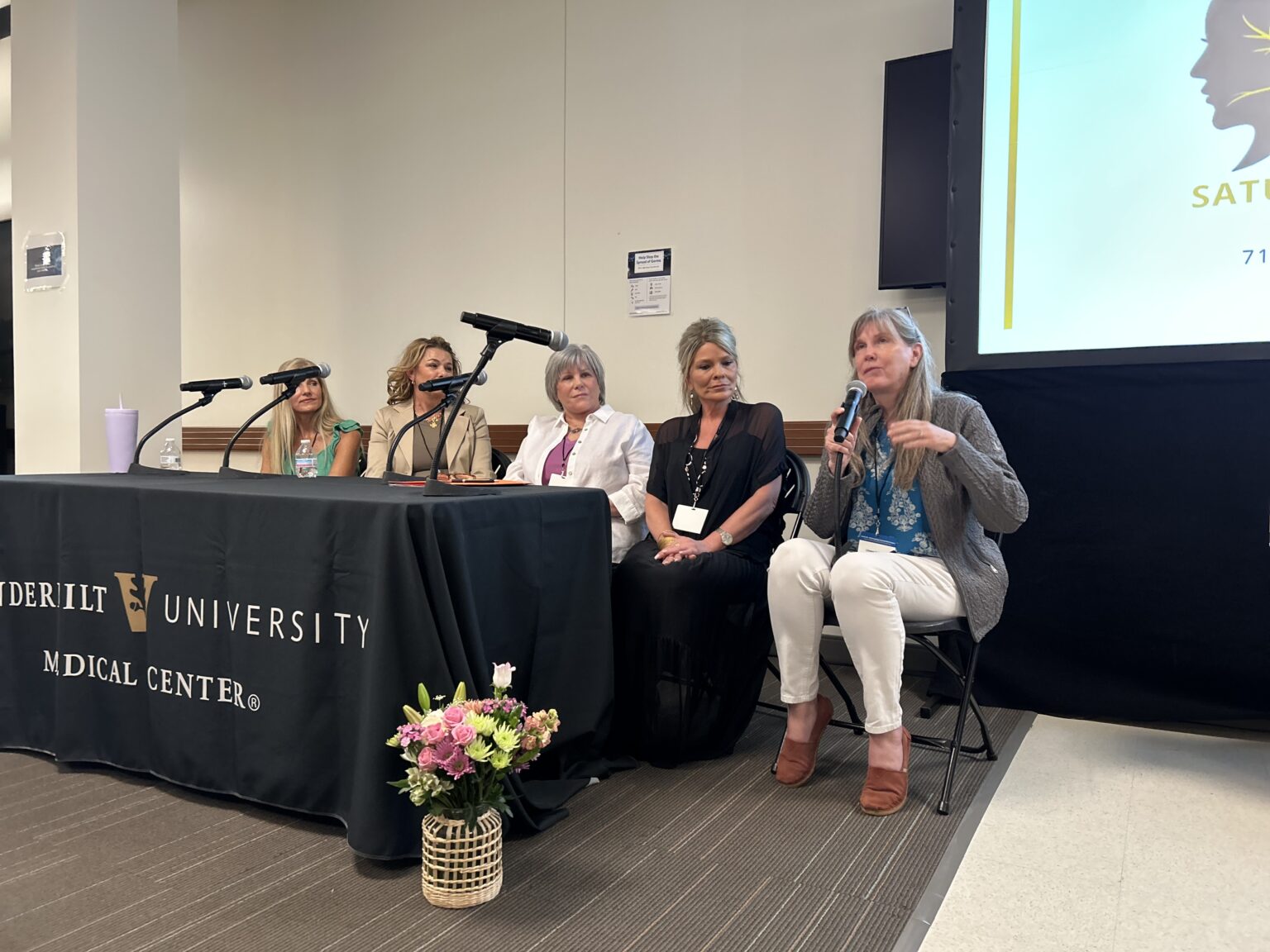

The Department of Otolaryngology-Head and Neck Surgery hosted its first facial synkinesis education symposium May 9, welcoming people experiencing various facial paralysis conditions to hear from physicians and fellow patients.
Members of Vanderbilt Health’s facial-plastics team gave presentations on issues facing patients, followed by a panel discussion by five patients who have received treatment for facial synkinesis at Vanderbilt Health.
Facial synkinesis is an umbrella term encompassing conditions that cause unwanted facial muscle movements, such as a person’s eye closing when they attempt to smile. For several patients who spoke on the panel, conditions such as Bell’s palsy or the growth of a brain tumor brought on their facial synkinesis.
“The idea is for patients to come and hear from providers, care specialists and each other,” said Scott Stephan, MD, the Carol and John Odess Associate Professor of Facial Plastic and Reconstructive Surgery.
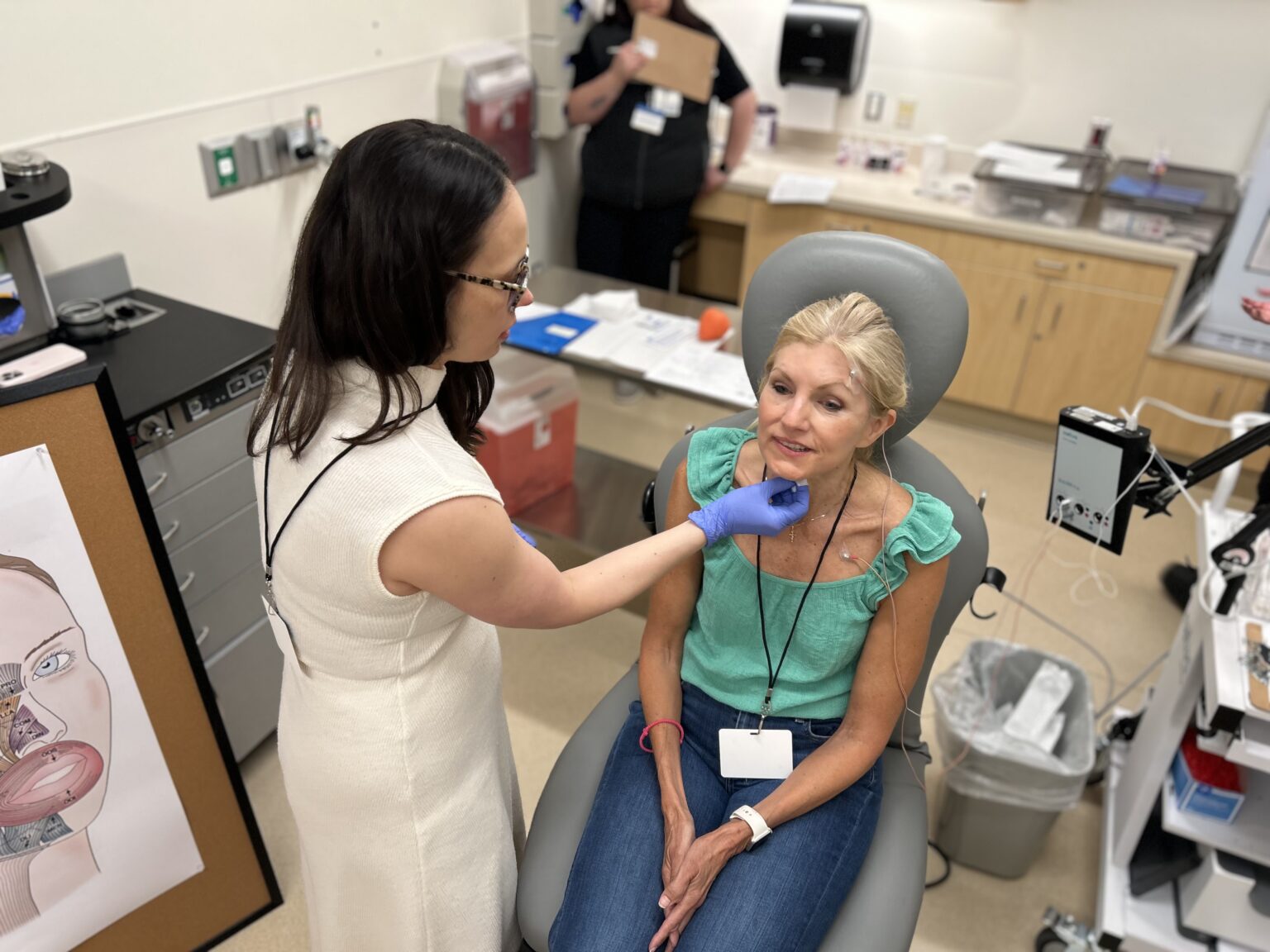
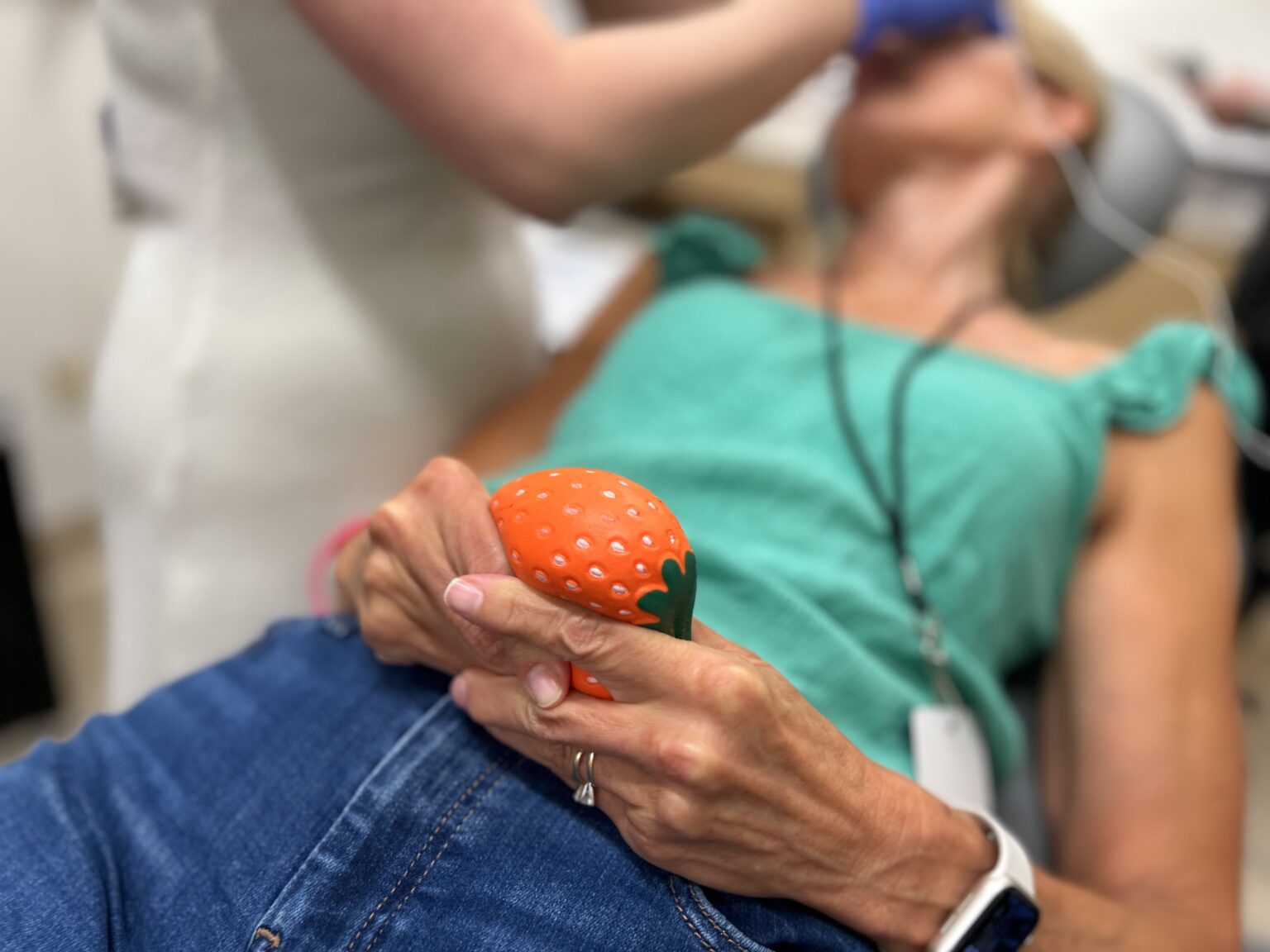
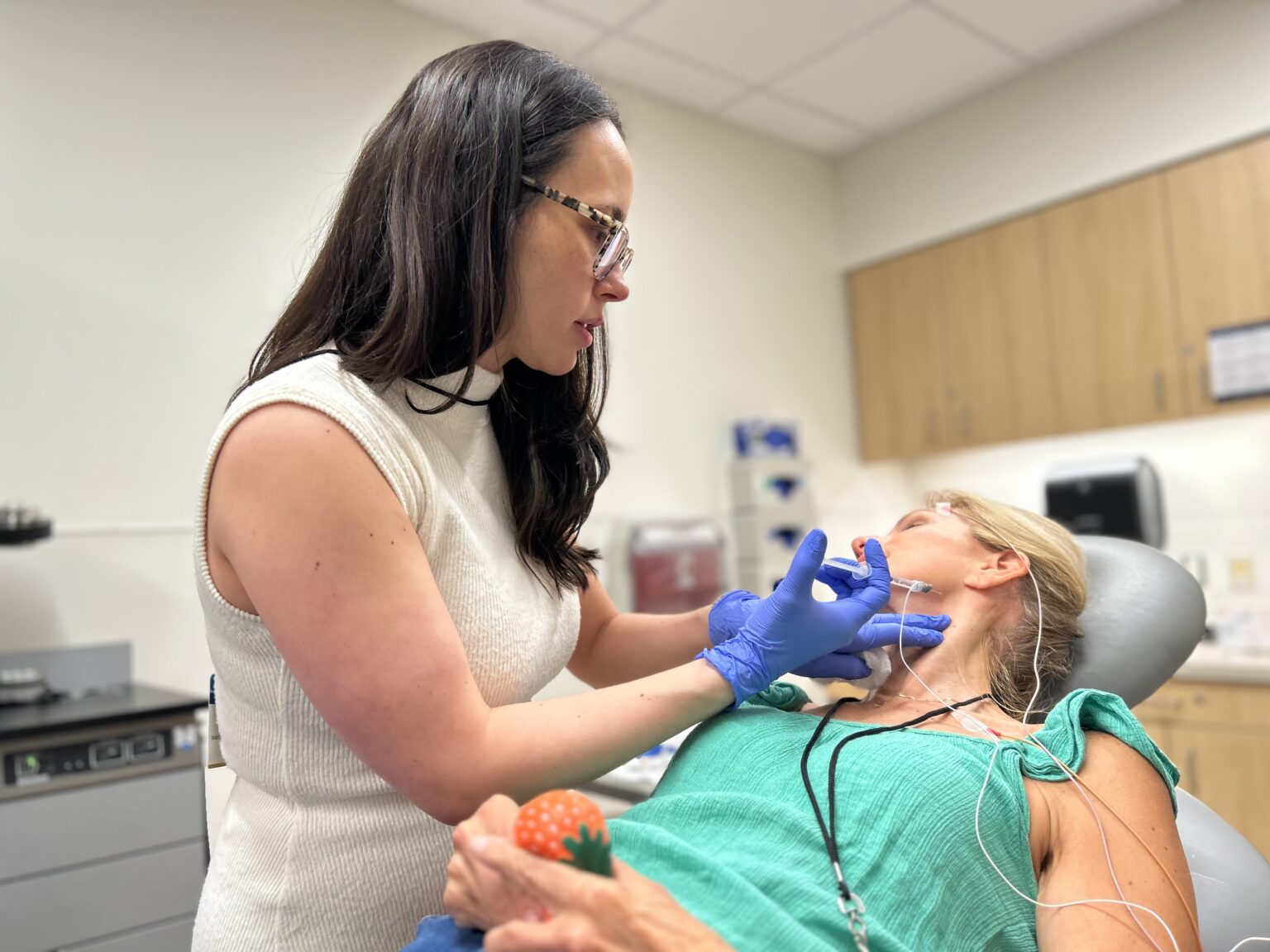
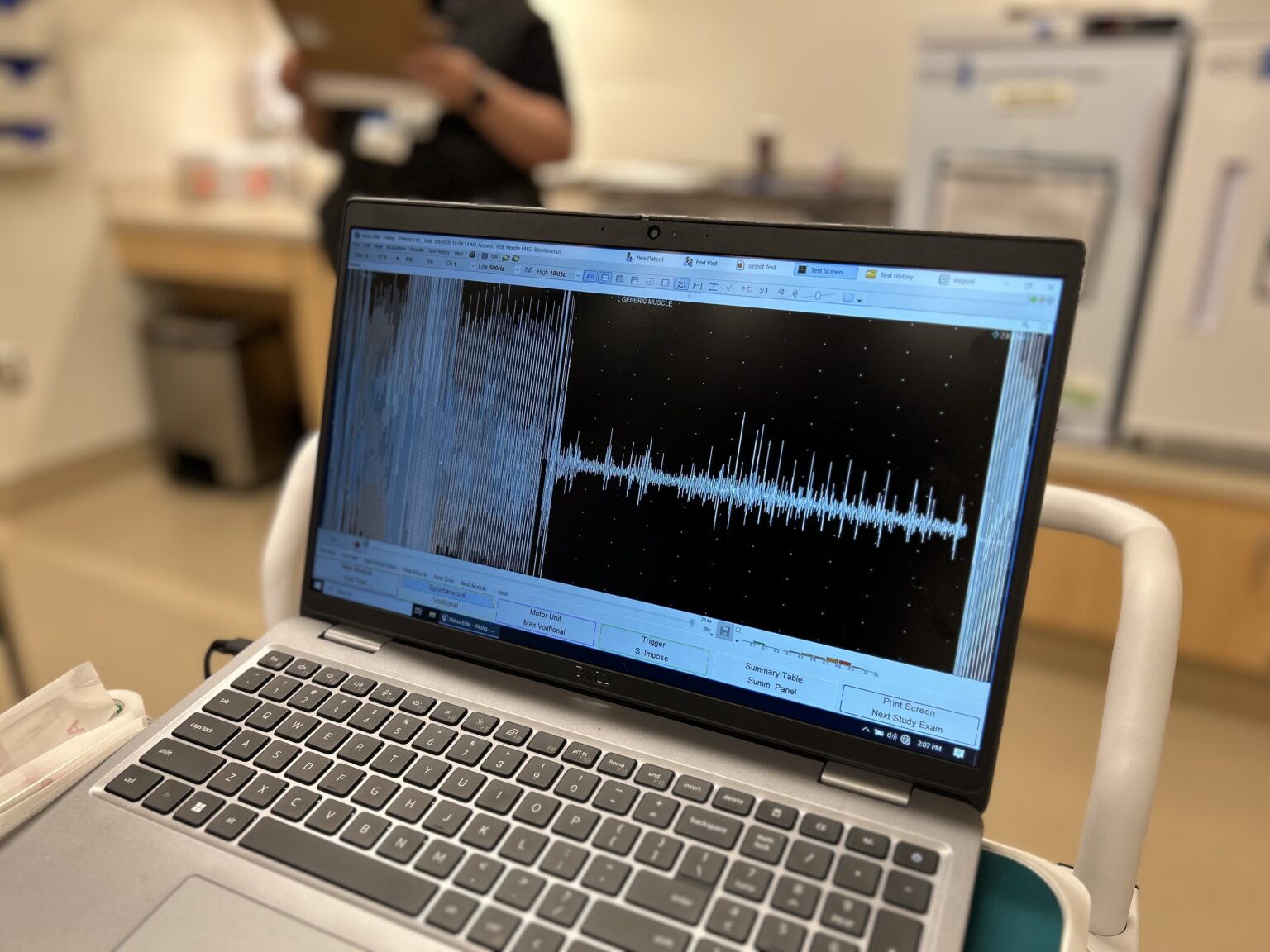
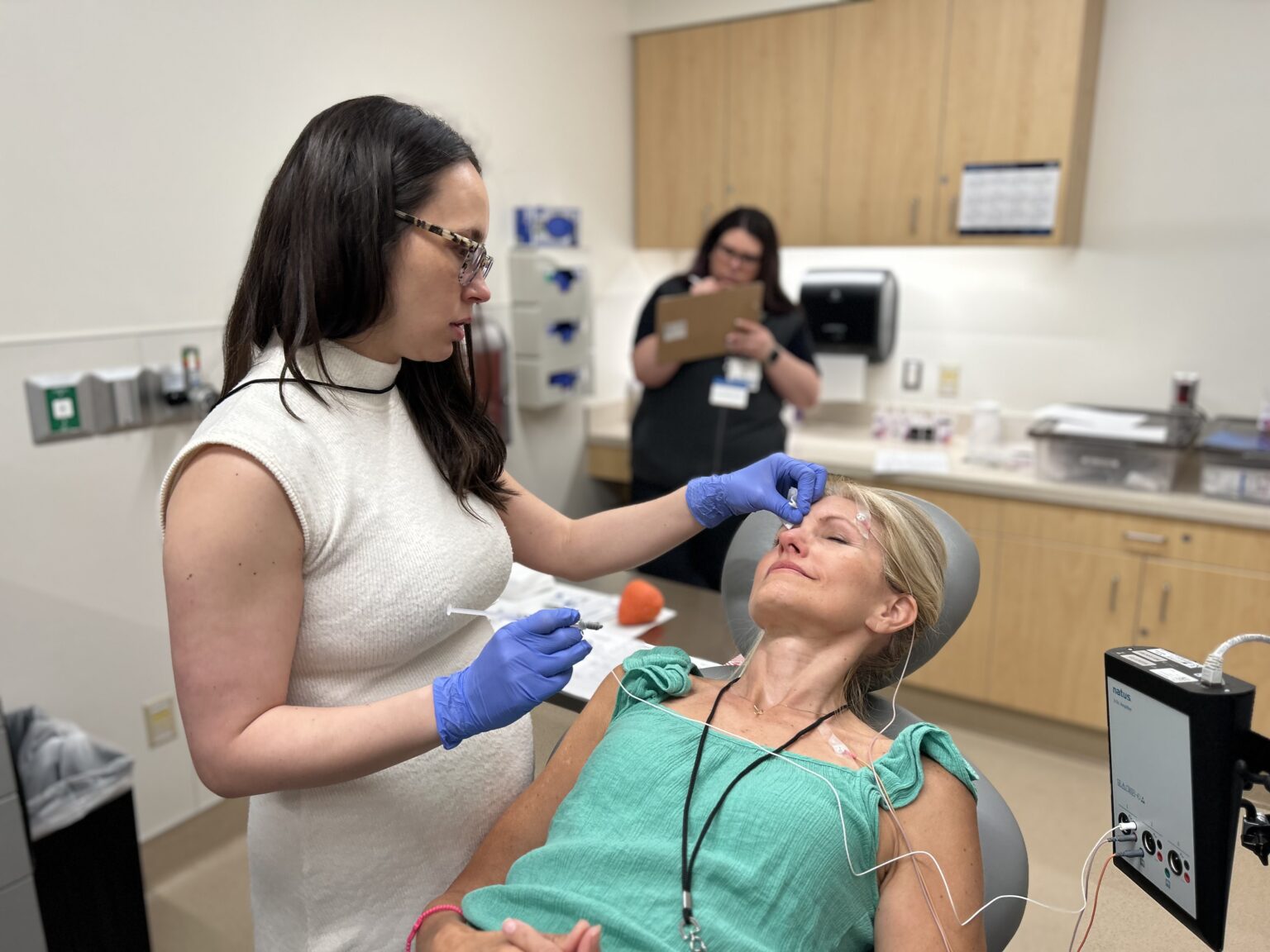
Following the patient panel, attendees were invited to observe demonstrations of treatments, including electromyography (EMG)-guided Botox injections. Angel Faulk, a Murfreesboro-based author and fitness instructor, received Botox after speaking on the panel.
“The best part about speaking on this panel was looking into the audience and seeing other people who look like me,” said Faulk. “To be able to help others who are new on their journey means a lot. It’s very healing.”
Faulk’s care at Vanderbilt Health began in 2009 when doctors discovered a benign brain tumor that had stretched out one of her facial nerves, leaving her face partially paralyzed. Now years after surgery to remove the tumor, Faulk works with Stephan as her primary facial synkinesis physician to continue restoring her facial plasticity.
“It’s been 17 years, so it took a lot of time to get here,” Faulk said. “But now I’m so grateful for my journey that I don’t think I’d go back. … I never thought I’d say that, but it really is a blessing to experience something that makes you dig deeper into who you really are. Your smile is just your face, and who you are inside is what matters the most.”
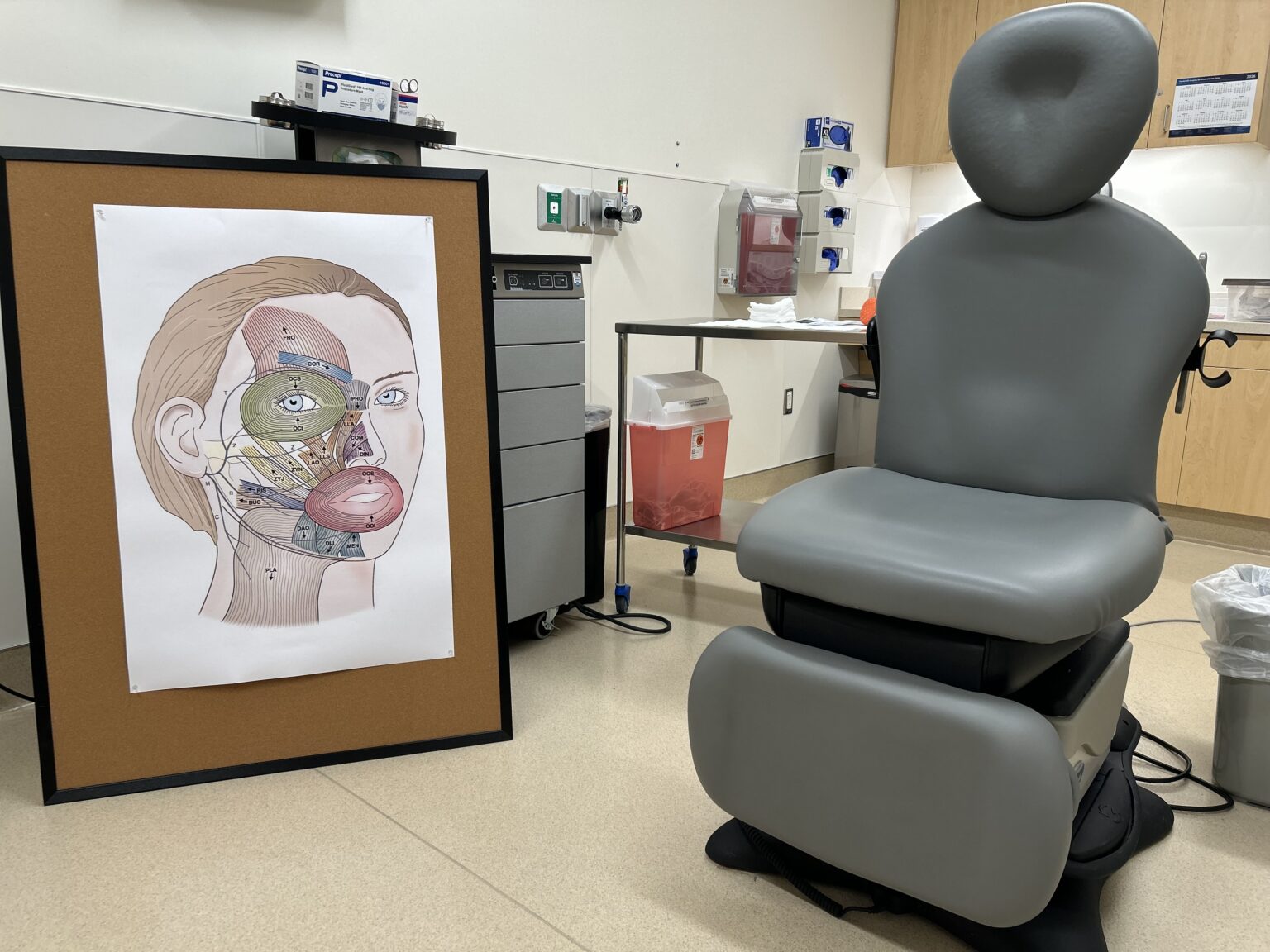
In addition to EMG-guided Botox injections, the afternoon segment of the symposium allowed patients to sign up to either observe or undergo facial synkinesis therapies, including physical therapy sessions and support-focused small group discussions.
“Our hope is that this program becomes a home for people with facial synkinesis, both regionally and beyond,” said Stephan, who is also Service Chief of Facial Plastic and Reconstructive Surgery. “That includes fellowship and community, as well as a place to receive high quality information and services.”
Patients experiencing facial synkinesis find these services primarily with providers in Otolaryngology-Head and Neck Surgery, but providers in numerous disciplines, including physical therapy, facial plastic surgery and neurology, all work together to support their treatment.
As Faulk can attest, things can get better for a patient experiencing facial synkinesis, and Stephan underscored that the first step toward improvement is people understanding the problem and what can be done to solve it.
“All manner of facial nerve conditions have potential for improvement,” said Stephan. “Not just in external appearance, but also in how a patient’s face feels and how that affects their ability to communicate and interact with the world.”