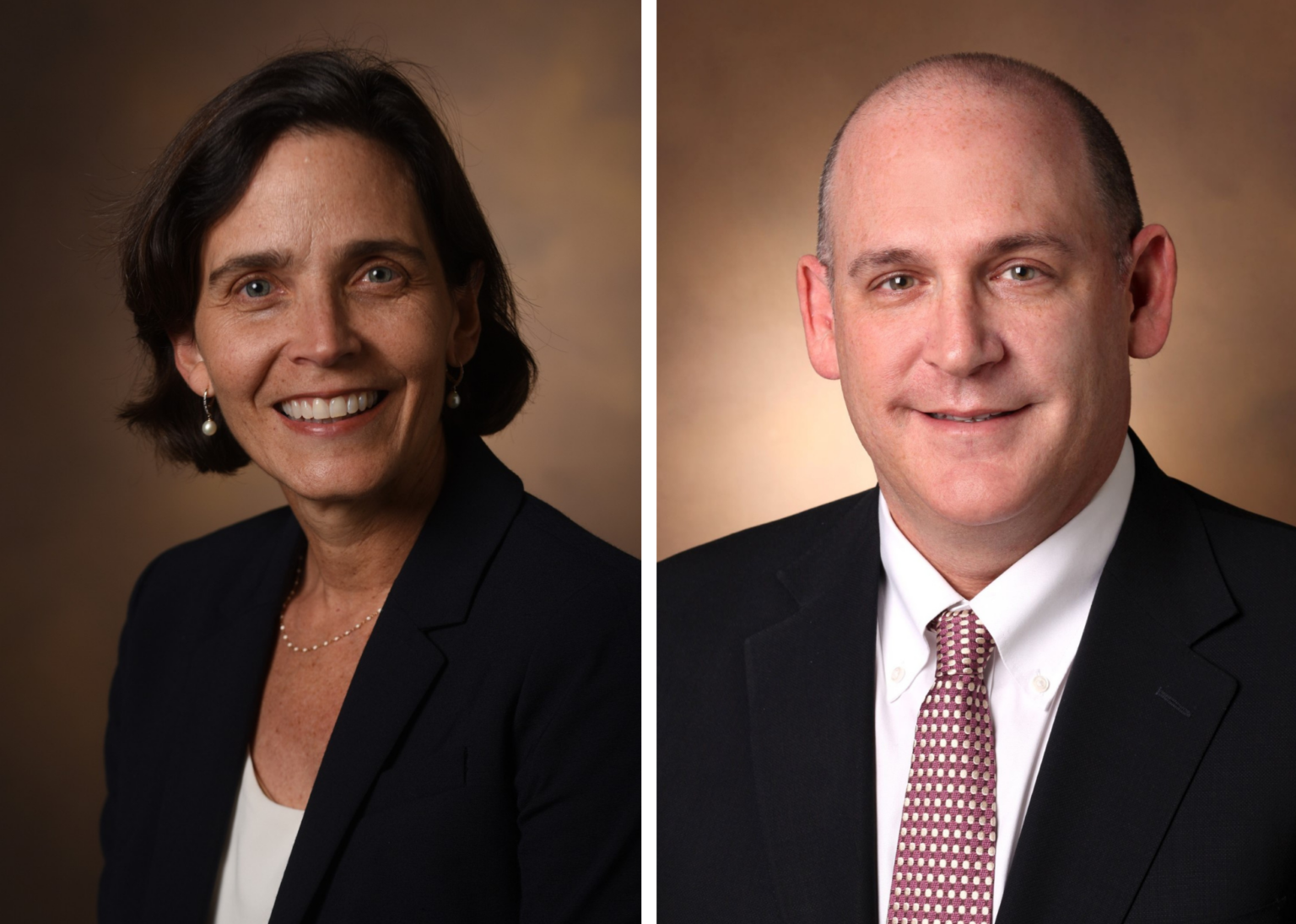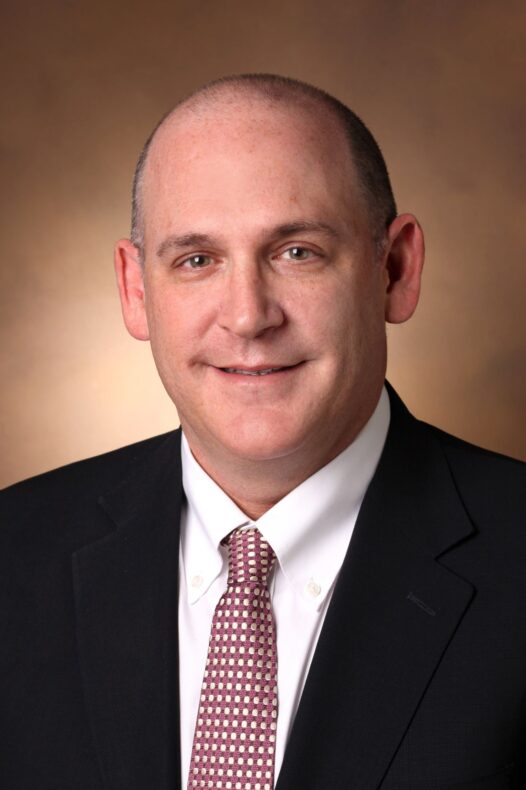
The American Urological Association (AUA) has named Vanderbilt Health’s David Penson, MD, MPH, MMHC, Professor and Chair of Urology, as the next editor of The Journal of Urology, the AUA’s flagship scientific publication.
The journal was established in 1917 and is one of the most widely read and highly cited journals in the field of urology, featuring groundbreaking urologic research.
Penson begins his three-year term Jan. 1, 2028, but will serve as editor-in-training for a full year beginning in 2027. He will be tasked to lead the journal’s editorial strategy and position it for continued impact and relevance in the years ahead, according to a release from the AUA.
“The search committee recognized that the next editor of The Journal of Urology must bring not only strong editorial and scientific credentials, but also the vision and proven leadership needed to guide an iconic journal through a rapidly evolving publishing landscape,” said Thomas F. Stringer, MD, Chair of the Editor Search Committee.
“Dr. Penson distinguished himself through that combination. He is an accomplished researcher, author and editorial leader, as well as a proven and innovative organizational leader with a track record of advancing new ideas and leading through change. His vision for the future of the Journal was both bold and thoughtful, and the committee believes he is exceptionally well suited to build on JU’s extraordinary legacy while leading it into its next chapter.”
Penson, who holds the Paul V. Hamilton, MD, and Virginia E. Howd Chair in Urologic Oncology and directs the Center for Surgical Quality and Outcomes Research, has published more than 300 scholarly works that have helped to shape urologic research, policy and patient care.
“It is an extraordinary honor to be selected as the next editor of The Journal of Urology,” Penson said. “For generations, the journal has been the home of many of the most important scientific advances in urology. Scholarly publishing is entering an exciting period of change, creating new opportunities for how we share science, engage readers and extend the reach and influence of trusted medical information. I look forward to working with the editorial board, reviewers, authors and AUA staff to build on that legacy and ensure The Journal of Urology continues to evolve alongside the needs of our authors, readers and the broader urologic community.”