In addition to her research, Dr. Means mentored dozens of undergraduate, graduate and postdoctoral students, research staff and faculty.
These findings were unexpected and demonstrate that the actin cytoskeleton repairs cell organelles like mitochondria in a regulated way.
Established in 2023, the academy honors outstanding scholarly achievements reflecting “independence of mind and intellectual courage” in the arts, sciences and learned professions.
They are among 6,868 scientists worldwide whose papers rank in the top 1% by citations for their fields of research and publication year in the Web of Science Core Collection over the past 11 years.
“I like the challenge of problem solving. At the end of the day, it’s knowing that what I’m doing … makes it easier for the front-line people to be able to do their jobs safely,” says the Credo Award winner.
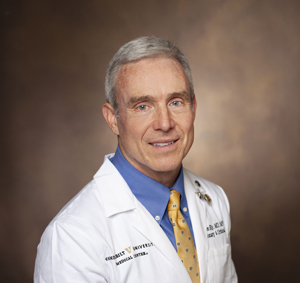
Humphries also will serve as executive medical director of the Pathology and Laboratory Medicine Clinical Service Center.