


Department of Pediatrics Archive — Page 1 of 58


-
October 8, 2026
New TRIAD project to evaluate telehealth assessments for autism in preschool-age children
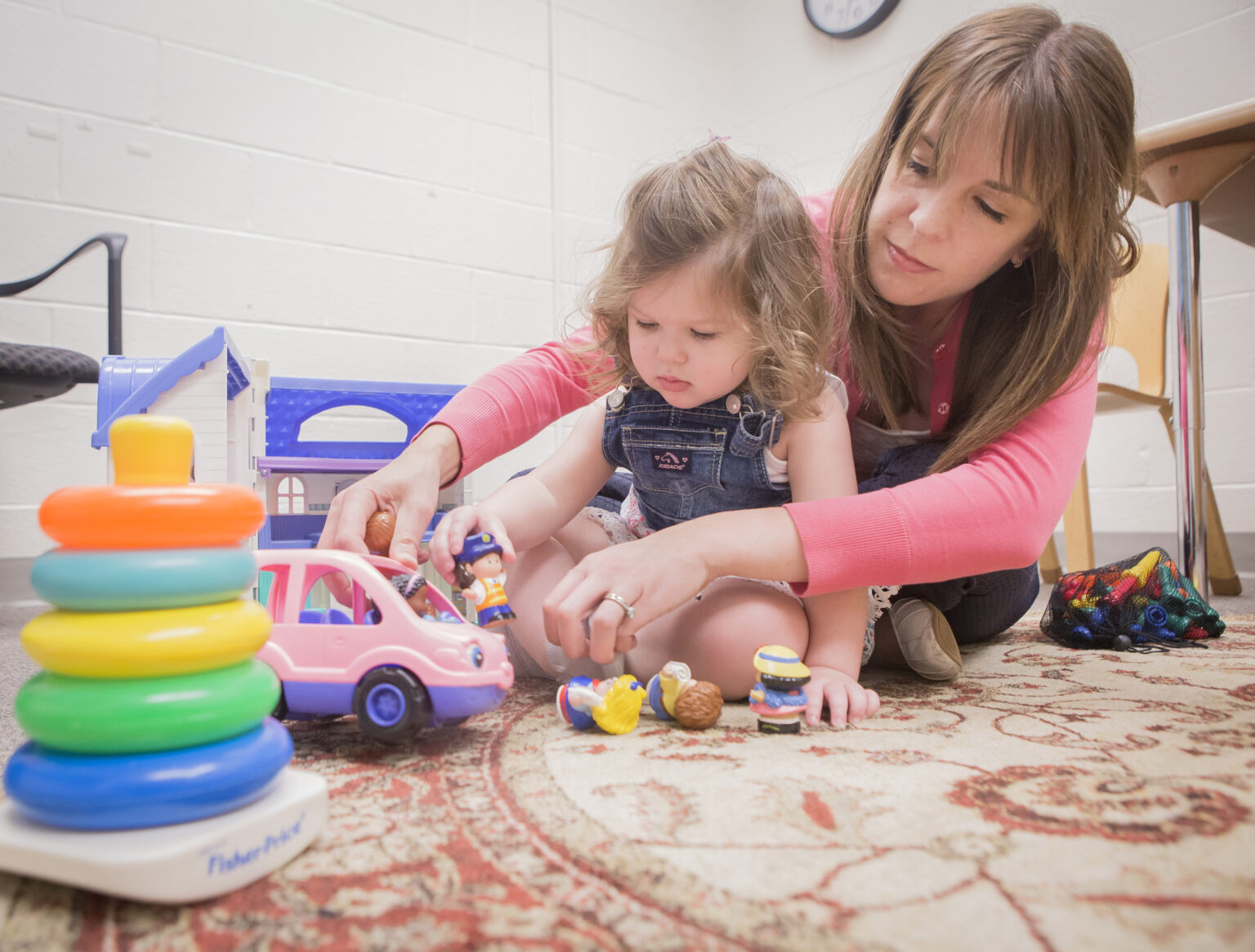
The project will evaluate the use of the TELE-ASD-PEDS-Preschool, or TAP-P, a tele-assessment tool designed to evaluate children ages 3 to 6. -
October 7, 2026
First-of-its-kind heart transplant gives Sissy a second chance
The novel technique could help increase the number of donor hearts available to children awaiting transplant and reduce the time they spend waiting. -
October 7, 2026
Monroe Carell Jr. Children’s Hospital at Vanderbilt leads breakthrough heart recovery method for pediatric transplants
Surgeons reported using the novel technique known as REUP (rapid recovery with extended ultraoxygenated preservation) to transplant five donor hearts in children. Since then, five more children were saved successfully. -
October 7, 2026
Vanderbilt mourns the loss of pediatrics leader and children’s health advocate Ian Burr
Former Pediatrics department chair and pediatric endocrinologist helped shape generations of children’s health care, research and education at Vanderbilt. -
September 30, 2026
Silent Sentinels sculpture celebrates the invisible power of Vanderbilt Health’s antibody research
By translating the invisible architecture of immunity into a compelling visual experience, the work celebrates the dedication of those working at the forefront of antibody research. -
September 30, 2026
Vanderbilt Pediatric Associates Hopkinsville and Mothers’ Milk Bank Southeast open Milk Drop Depot in Kentucky
The processed donor milk is distributed to neonatal intensive care units and mothers in need across Tennessee, Kentucky and Georgia, helping provide lifesaving nutrition for premature and medically fragile infants. -
September 28, 2026
California firm licenses ‘potent’ anti-measles antibodies from Vanderbilt Health for development, clinical testing
The human monoclonal antibodies were isolated from two individuals who had been infected by measles. Further development and clinical testing could lead to the first monoclonal antibody therapy against the highly infectious respiratory virus.