Department of Psychiatry and Behavioral Sciences

Inflammatory marker could predict response to therapy in bladder pain syndrome

Patients with chronic bladder pain syndrome who had higher baseline levels of the inflammatory molecule IL-1beta had greater overall improvement following cognitive behavioral therapy.

Behind the curtain: Secrets of the volatile, delusional brain 

The VUMC approach, based on the “Feeling Safe Program” developed by British psychologist Daniel Freeman, targets specific factors that contribute to persecutory delusions, including worry, safety behaviors, avoidance and hallucinations (such as hearing voices).

(iStock)

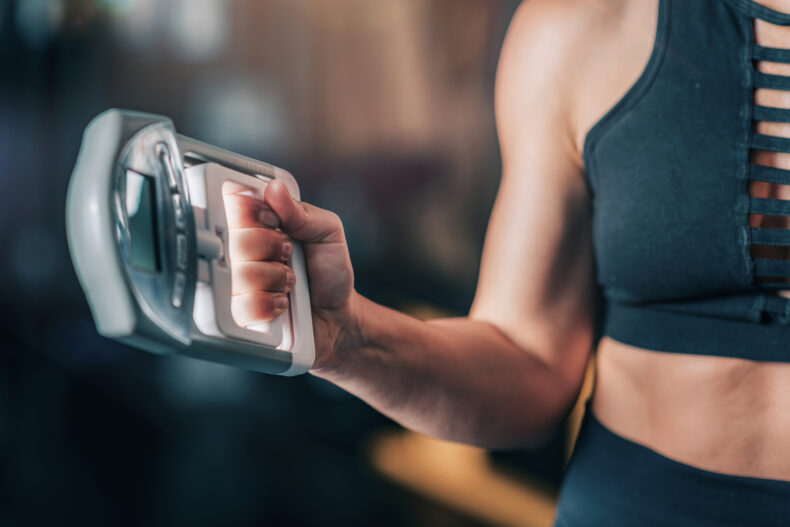
Study unravels the neurobiological mechanism of psychomotor disturbance in psychiatric disorders

Key takeaways of the new study include grip strength as an important metric of cognitive health and default mode network connectivity as a marker of well-being — both in early psychosis.

New study highlights potential boost to brain stimulation therapy through targeted symptom provocation

This is the first large-scale meta-analysis to examine whether deliberately triggering symptoms immediately before administering rTMS enhances treatment outcomes.

Landmark bequest from Charlotte and Donald Test Jr. to advance psychiatry research

Named for Donald Test’s late sons, and Charlotte’s stepsons, the Henry and William Test Endowment Fund will bolster the Department of Psychiatry and Behavioral Sciences’ expansive research portfolio, promising a secure funding source for pathbreaking discoveries in areas such as schizophrenia, coordinated care models, brain imaging and neuromodulation.

Patient Sekou Toure works on a painting during a Recovery Art Workshop at Vanderbilt Psychiatric Hospital. (photo by Erin O. Smith)

Healing Through Expression: Young Adults’ Journey in Recovery Art Workshop (slideshow)

The class was created by a specialty team that works with young adults who have experienced their first hospitalization or episode of psychosis within the past two years.

1 2 3 12