JAMA Dermatology (journal)

New study reveals long-term impacts on Stevens-Johnson syndrome survivors 

SJS and TEN occur when a medication triggers the immune system to attack the body’s own skin and mucous membranes.

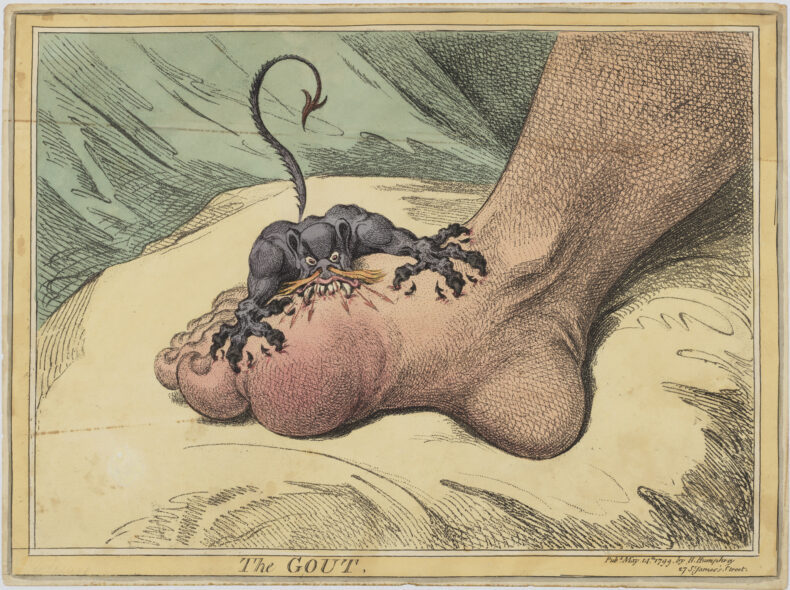
“The Gout” by British artist James Gillray is a hand-colored soft-ground etching from 1799 and is in the collection of the Metropolitan Museum of Art. (public domain)

New genetic marker found to predict severe gout drug reactions in US patients

The discovery could improve safety of allopurinol for millions by expanding genetic screening.

(AdobeStock)

Study reveals efficacy of nicotinamide for skin cancer prevention 

Overall, there was a 14% reduction in skin cancer risk. When nicotinamide was taken after a first skin cancer, the risk reduction rose to 54%.

(iStock image)

Study provides guidance on immunotherapy-related, chronic skin reactions 

Researchers recommended long-term follow-up for patients by dermatologists familiar with cirAEs and consideration of corticosteroid-sparing treatment options.

Inga Saknite, PhD, Eric Tkaczyk, MD, PhD, and colleagues are studying how white blood cell motion in the skin’s microvasculature can help predict which stem cell and bone marrow transplant patients would have a relapse of their blood cancer. (photo by Anne Rayner)

Study finds 10-second videos predict blood cancer relapse

Vanderbilt research shows that 10-second videos of white blood cell motion in the skin’s microvasculature greatly improved the prediction of which stem cell and bone marrow transplant patients would have a relapse of their blood cancer.

Using billing codes to count cancers

The billing codes in electronic health records are useful for counting skin cancers over time — an important metric for cancer risk assessment and prevention.