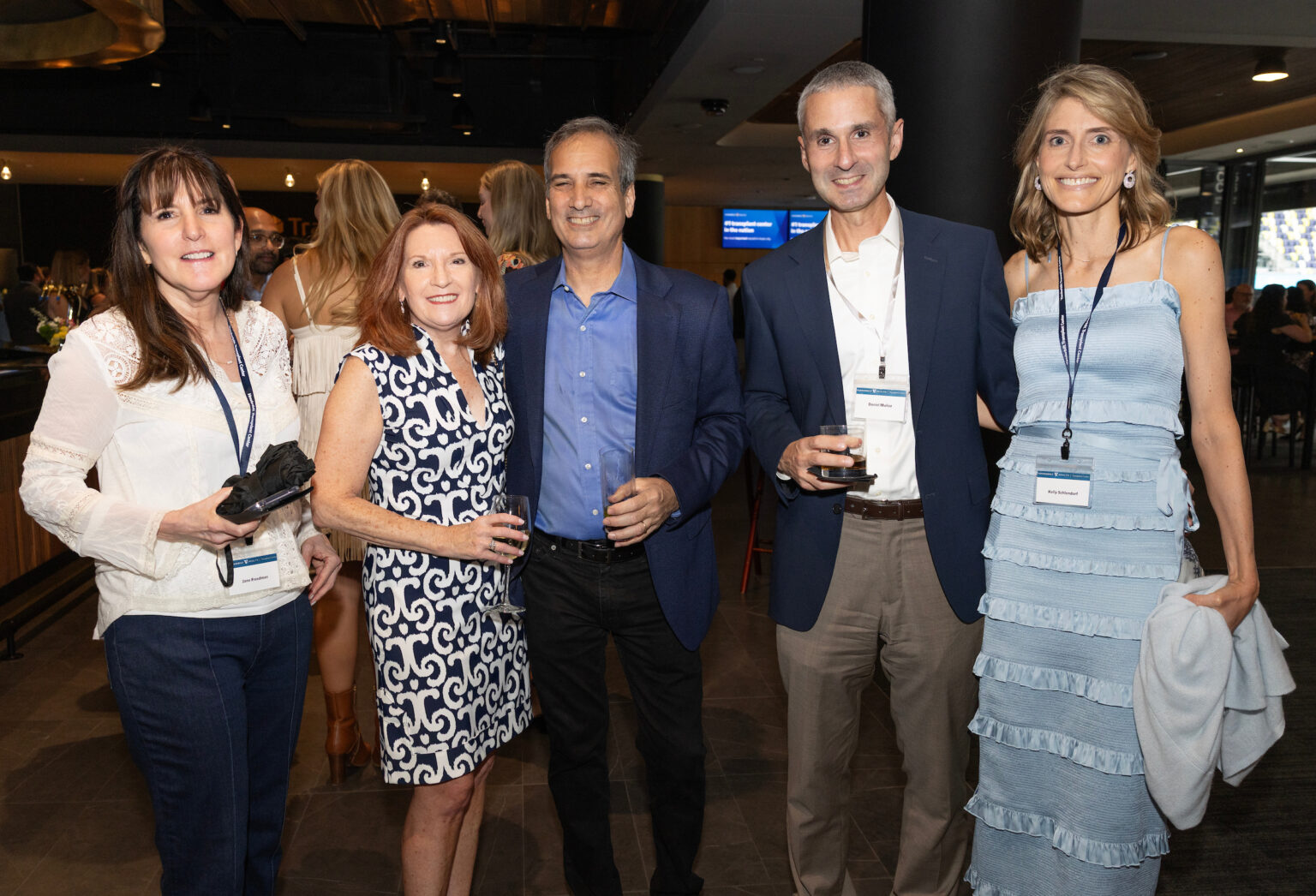
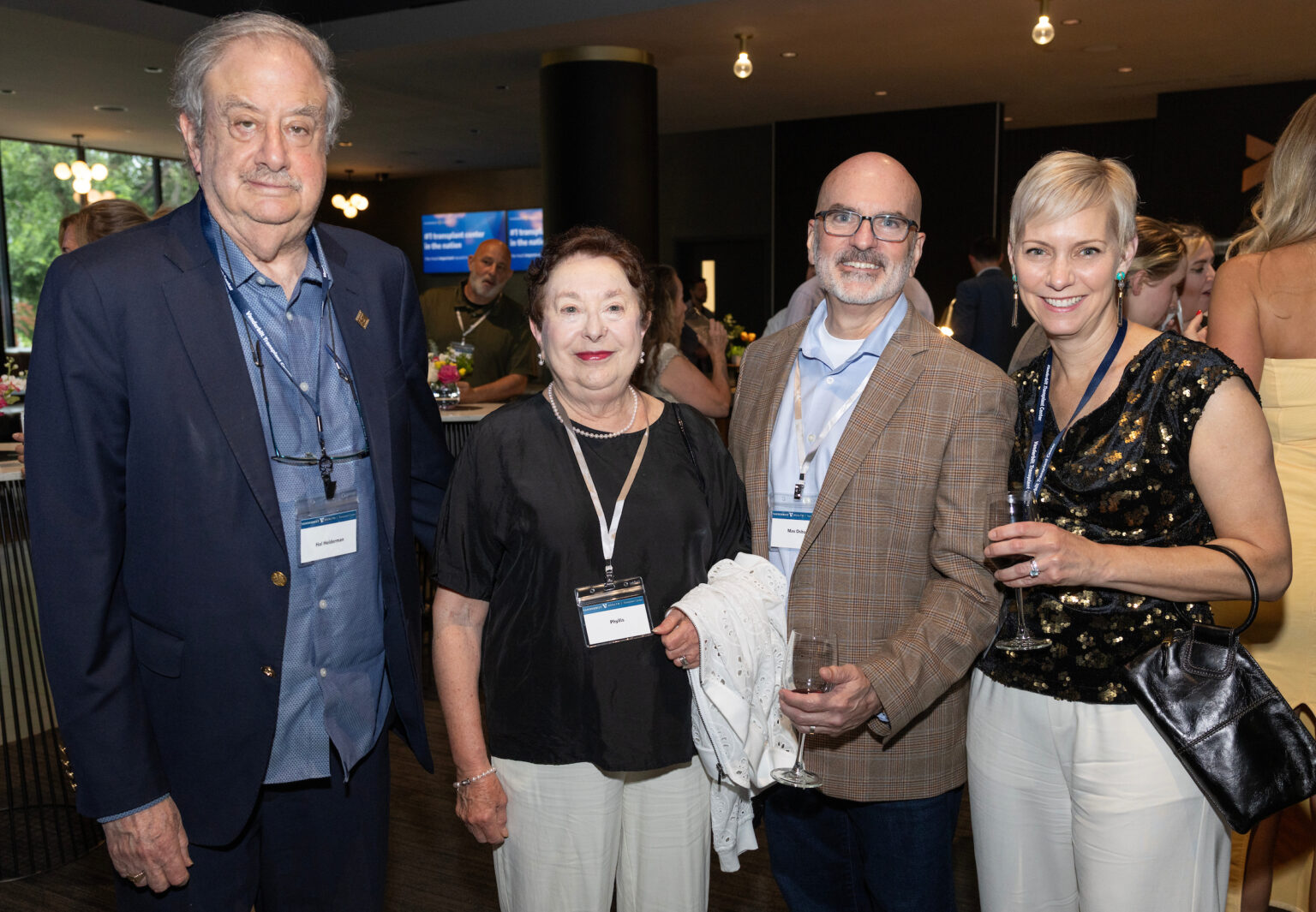
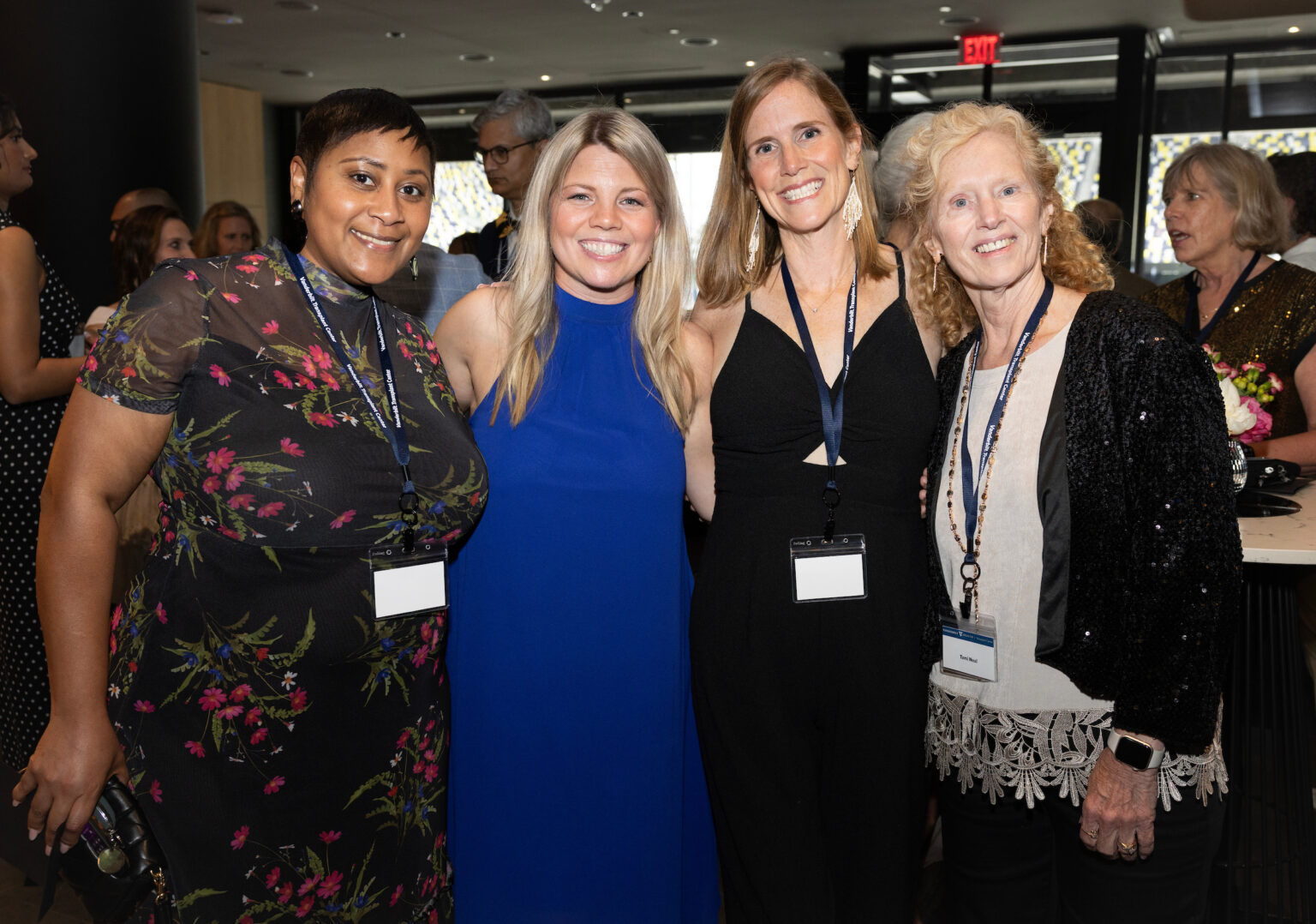
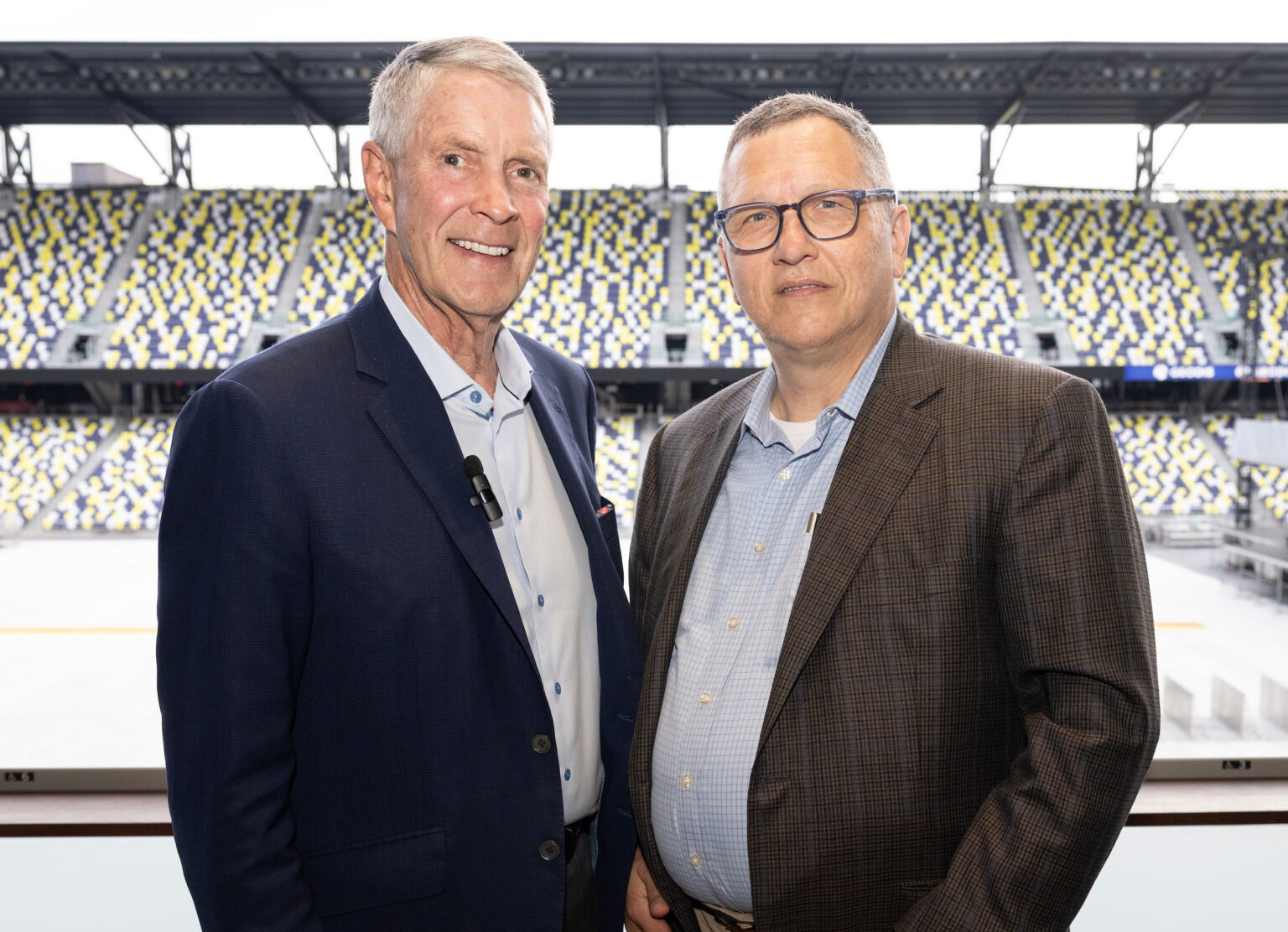
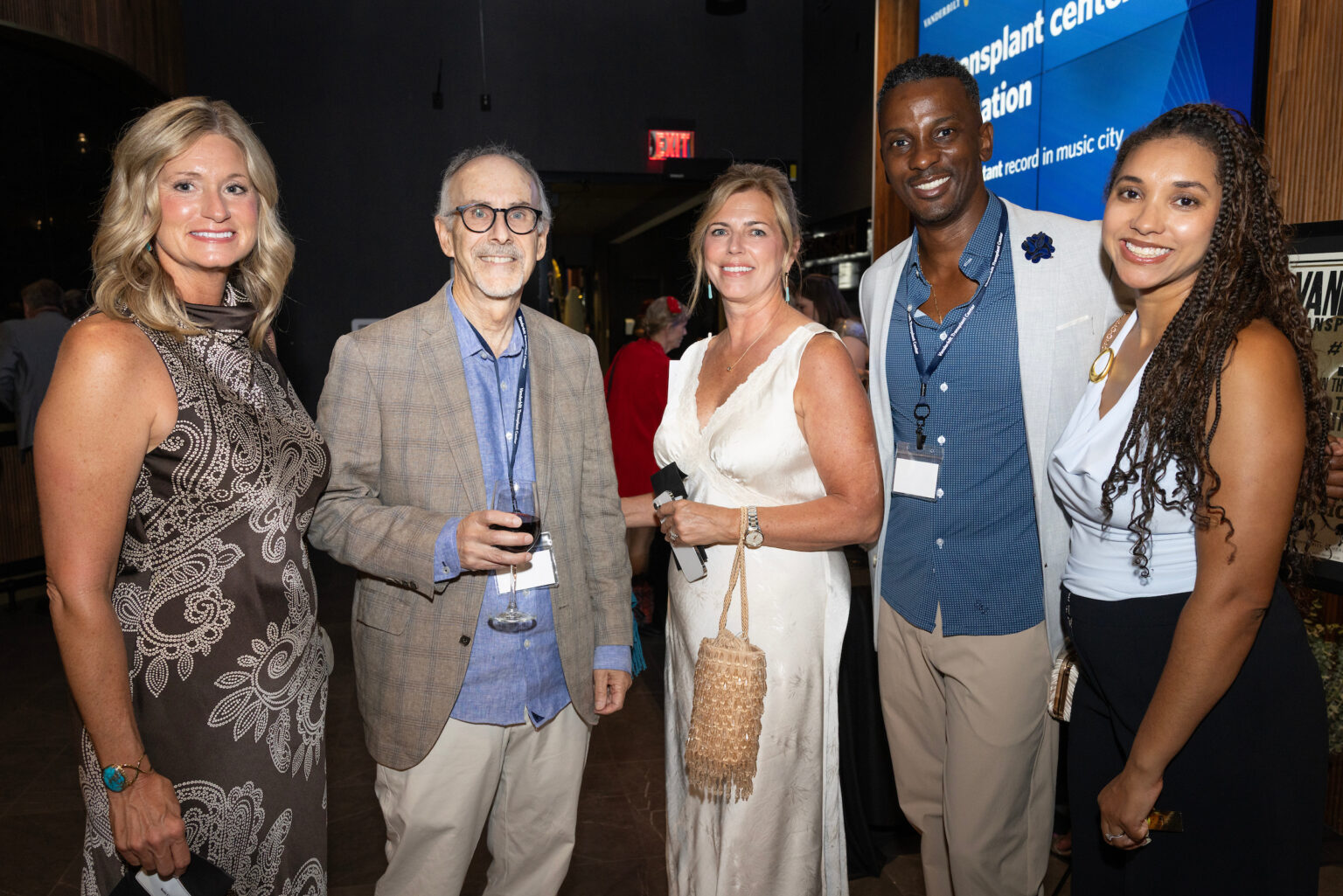
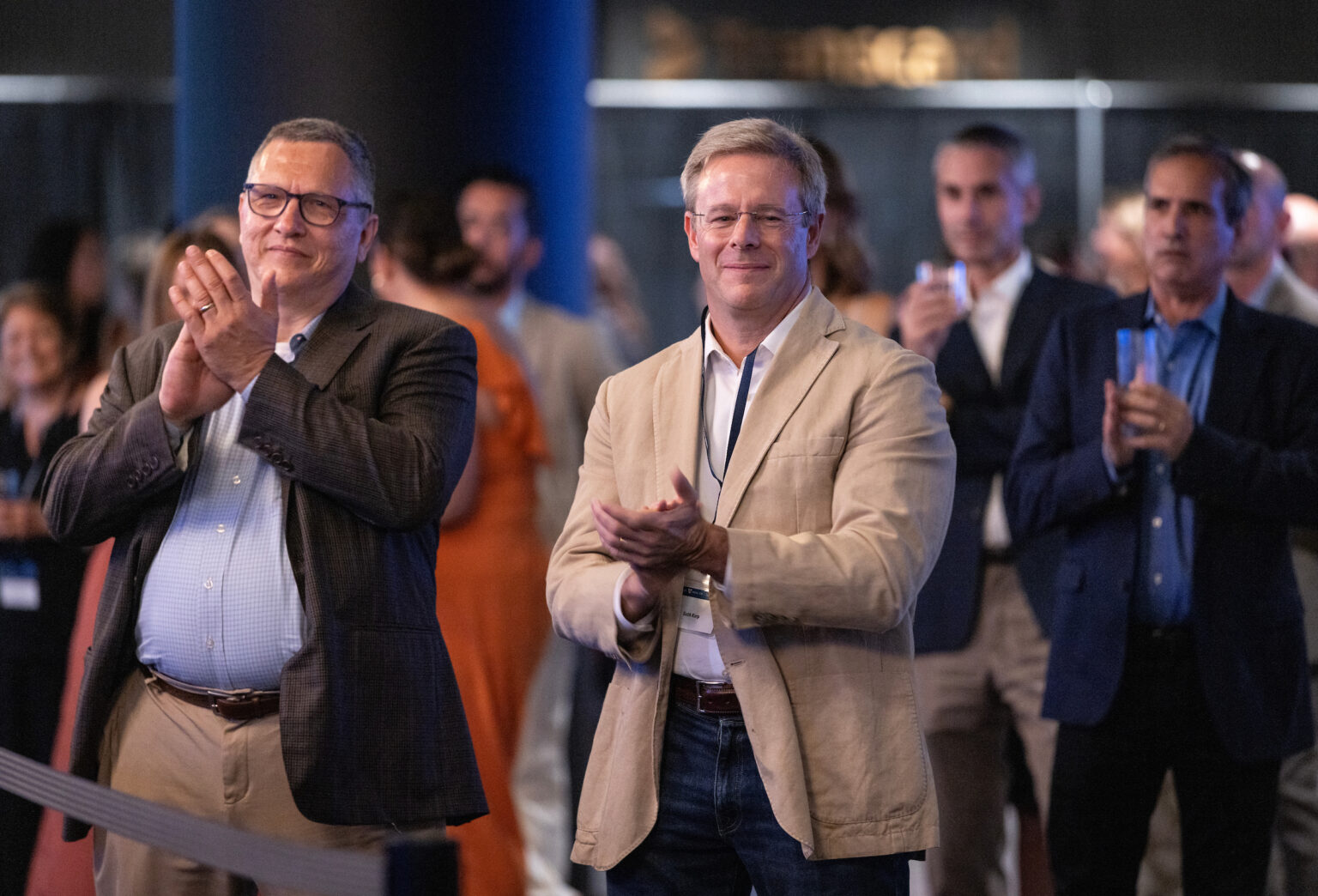
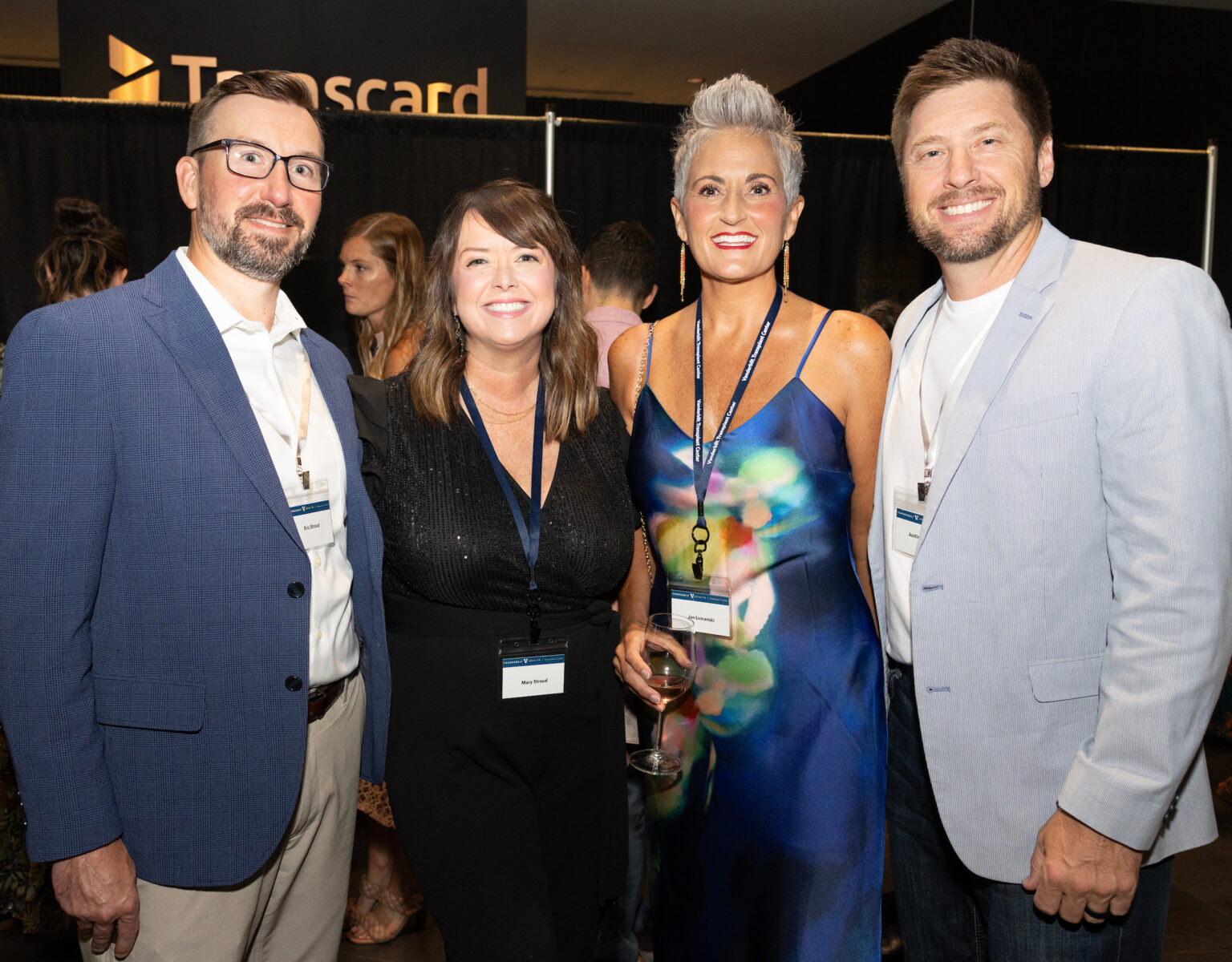
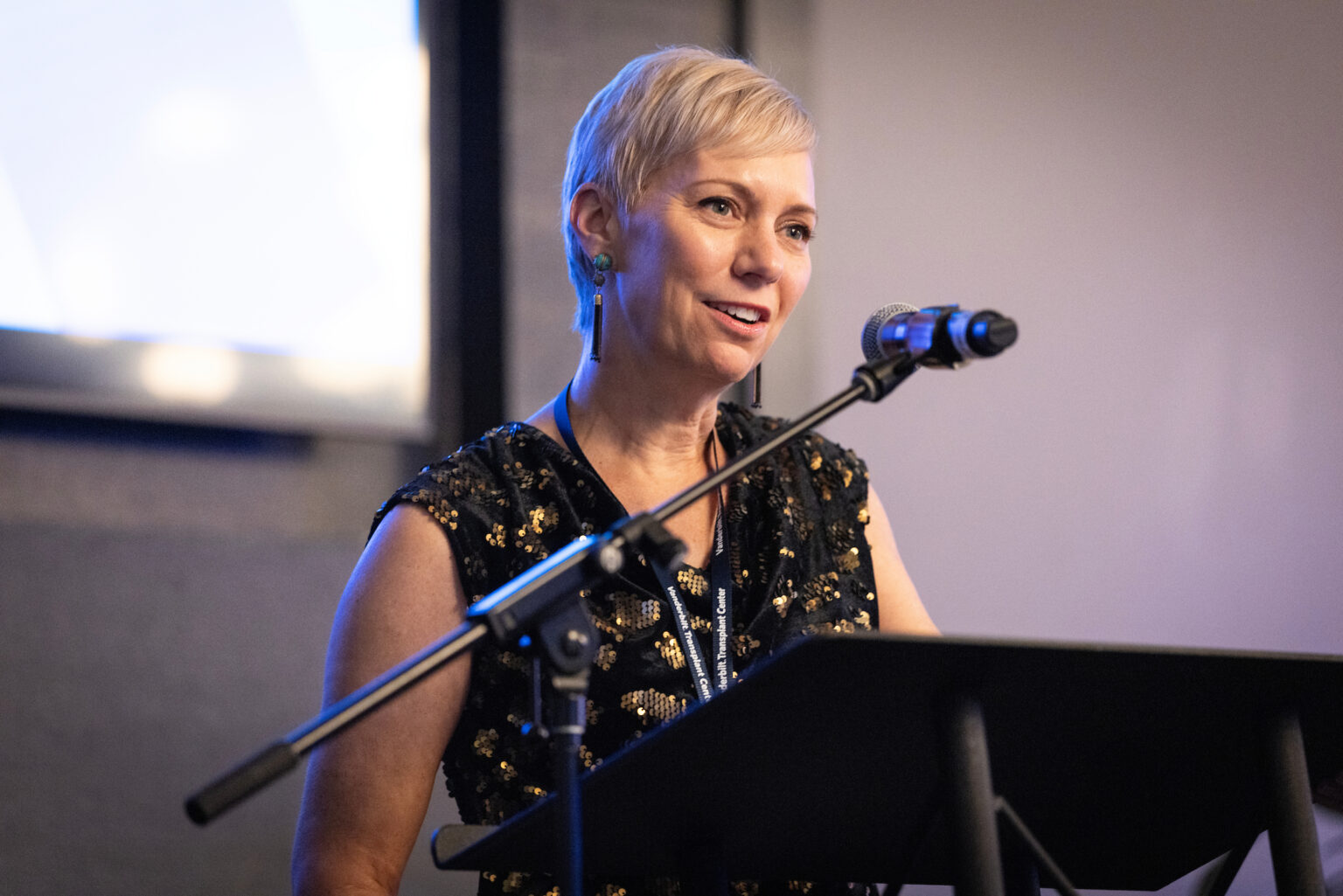

Faculty, staff and friends of the Vanderbilt Transplant Center gathered at Geodis Park recently for the No. 1 in the Nation Celebration, marking Vanderbilt Health’s recent status as the largest transplant center by volume in the United States.
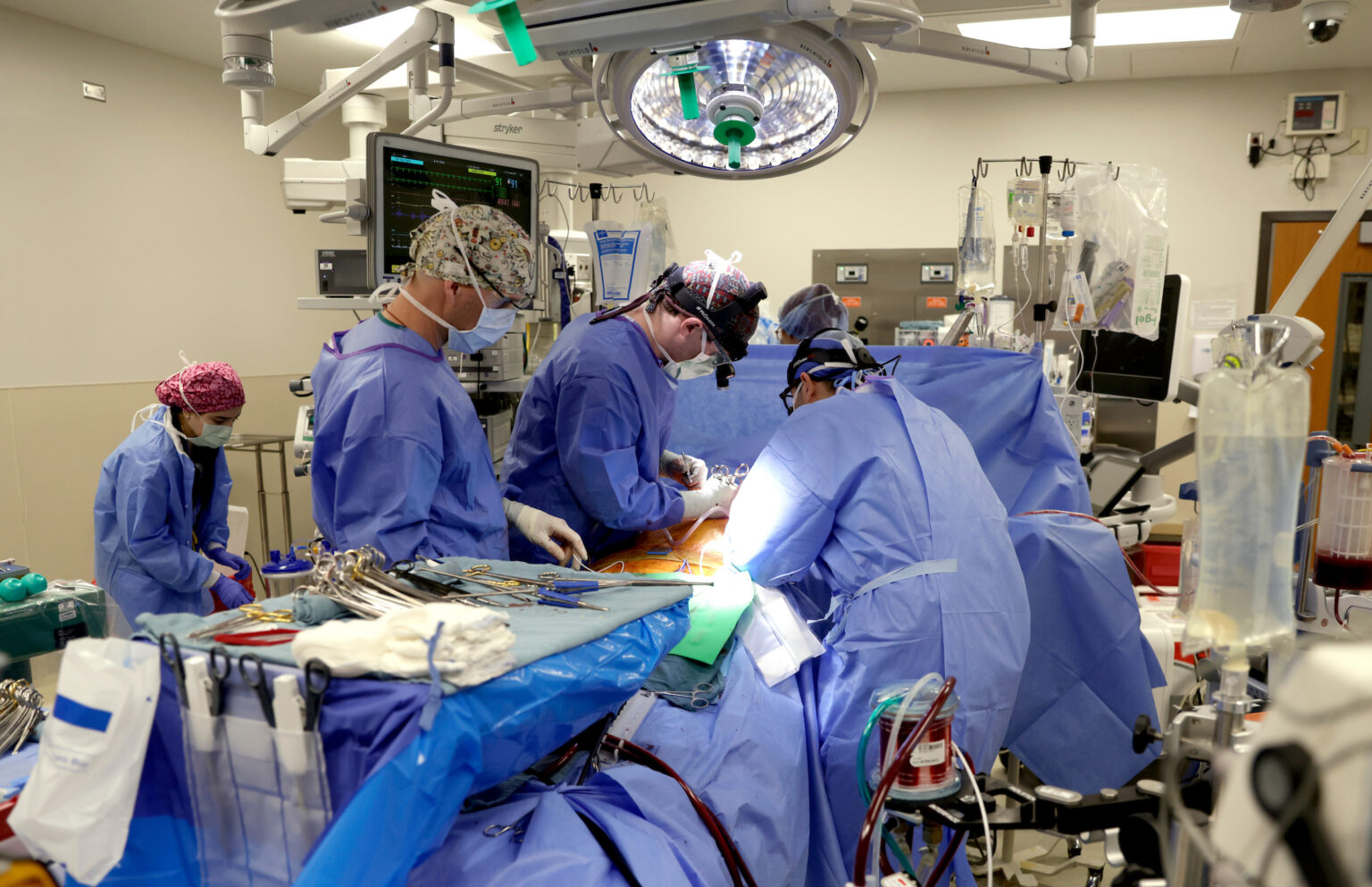
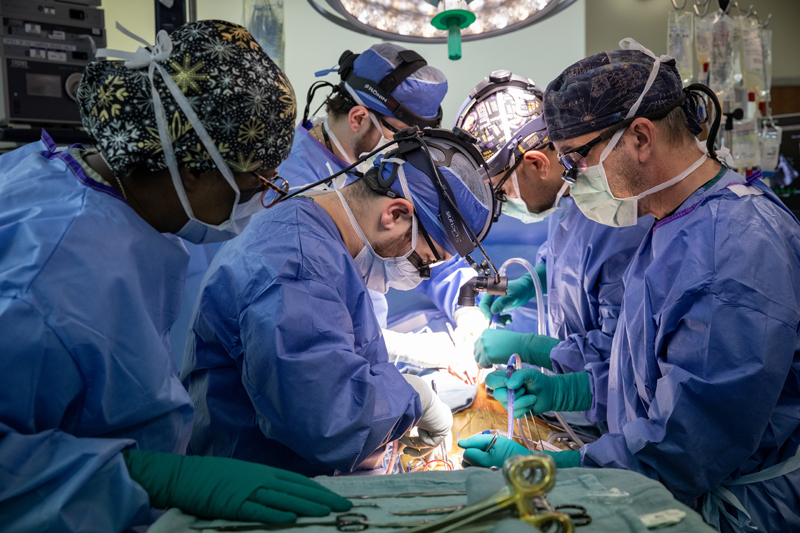
The Vanderbilt Transplant Center performed 960 solid organ transplants in 2025, the most ever completed by a single center in one year in the United States. This was made possible by the selfless acts of organ donors, from friends and family members who donated live kidneys and partial livers, to deceased donors of hearts, lungs, livers, kidneys and pancreases, who in their last acts gave the most personal gifts.
The gala featured remarks from the leaders who built the transplant center, beginning with former U.S. Sen. Bill Frist, MD, founder of the Vanderbilt Transplant Center.
“The vision was simply this: instead of isolated programs of kidneys (done at the time), hearts (done at the time), and then lungs and later livers — bring them all under a single roof with a single mission, religiously centered on the patient and their family,” said Frist, who founded the center with Hal Helderman, MD, in 1989.
In 1993, Frist stepped down to run for the U.S. Senate (and was later elected), and he handed the reins of the transplant center for the next 18 years to C. Wright Pinson, MBA, MD, an innovative liver transplant surgeon who is now President of the Vanderbilt Health Affiliated Network, senior counselor to the President and CEO of Vanderbilt Health, and longtime former deputy CEO.
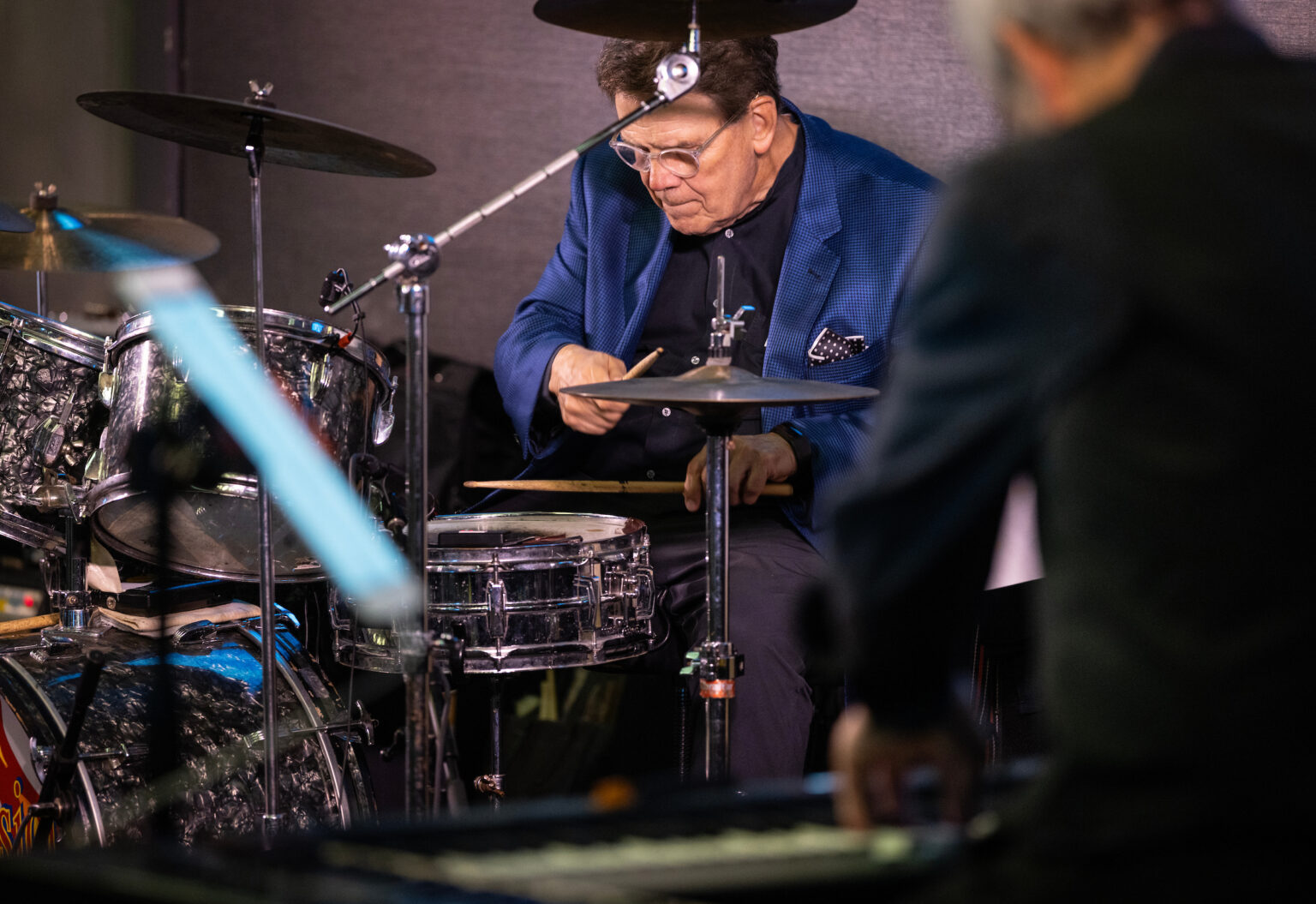
“It is truly remarkable to gather and celebrate what this Vanderbilt Transplant Center has become,” said Pinson, who played drums with the band Soul Incision during the celebration. “This moment, this celebration, is a testament to decades, literally decades of dedication, innovation and belief in what this academic medical center could achieve when its mission was clear and the people became united.”
Heidi Schaefer, MD, Medical Director of Adult Solid Organ Transplant and a transplant nephrologist, played a key role alongside her surgical and medical colleagues in growing the kidney transplant program from about 100 kidney transplants in 2004 to nearly 400 per year now.
“I have the honor of speaking about where we are today, and it’s hard to describe it as anything other than remarkable,” she said. “This past year, we became the No. 1 transplant center by volume. We are home to the largest heart transplant program in the country, and as of last week, we are now the largest lung transplant program. These are extraordinary statements, and they matter because volume reflects trust. It reflects referrals, outcomes, access and belief by patients, by families and clinicians — that this is the place where the toughest cases can come and receive exceptional care.”
Joseph Magliocca, MD, Director of the Vanderbilt Transplant Center, Professor of Surgery and Pediatrics, and Surgical Director of the Pediatric Liver Transplant Program, talked about where the transplant center is going.
“Vanderbilt Health is writing the future of transplantation with cutting-edge research,” he said, “breakthrough innovations in organ preservation; scientists working on cures for certain liver diseases that would actually obviate the need for transplantation, which could potentially be extrapolated to other organ systems; developing world-class data systems and resources to learn from our vast experience; supporting organ failure patients as a bridge to transplant or to actually avoid transplantation altogether.
“What never changes, really, is the reason we’re driven to do these things,” added Magliocca, holder of the Cindy and Dave Baier Directorship. “And the most important driving force is how we can make things better for our patients.”
It takes a highly specialized, multidisciplinary team of about 150 people to work on a single transplant. The transplant teams include physicians in each organ specialty, surgeons, anesthesiologists and nurse anesthetists, intensivists, nurses, nurse practitioners, pharmacists, social workers, financial coordinators, nutritionists, organ procurement coordinators, preservationists, perfusionists, and operating room staff, among others.
Giving an emotional salute to this team was Seth Karp, MD, Chair of the Section of Surgical Sciences, H. William Scott Jr. Professor of Surgery, and Director of the Vanderbilt Transplant Center from 2012 to 2023. Karp is stepping down in October and moving to Boston to accept a new position as Chair of the Roberta and Stephen R. Weiner Department of Surgery at Beth Israel Deaconess Medical Center and Surgeon-in-Chief at Dana-Farber Cancer Institute.
Karp attempted to distill the success of the transplant center into one word — the ability to say “yes.” To accept a patient for transplant and to guide them through the process up to and including transplant, it is necessary for Vanderbilt Health clinicians to say “yes” many times.
“I think what we have created with Dr. Frist, Dr. Pinson, Dr. Helderman, Dr. Magliocca, Heather (O’ Dell), and all the other leaders here, they created a place where people say ‘yes,’” Karp said. “‘Yes’ is the most important chain there is. The chain breaks if even one person says ‘no.’ For us, ‘yes’ is developing a new model for transplant that we heard about from Dr. Frist, using an integrated model of care. ‘Yes’ is an advanced practice practitioner, spending three hours on a Saturday, managing blood sugar to prevent an ED visit. ‘Yes’ is a financial counselor spending hours with a patient to make sure that they can care for their organ. ‘Yes’ is a social worker, seeing one more caregiver to find a patient’s support. And there is never just one more. It’s one more, one more, and one more, and one more.
“I’m so proud of this place that says, ‘yes,’” Karp said. “Thank you for the opportunity.”
O’Dell, MSN, ANP-BC, MMHC, Executive Director and Associate Operating Officer of the Vanderbilt Transplant Center, echoed those remarks.
“To everyone here, and to the teams who are covering units, managing calls, supporting patients and families, even as we celebrate, thank you,” she said. “This work is demanding, and it’s profoundly meaningful. What you do changes the arc of people’s lives.”