 (iStock)

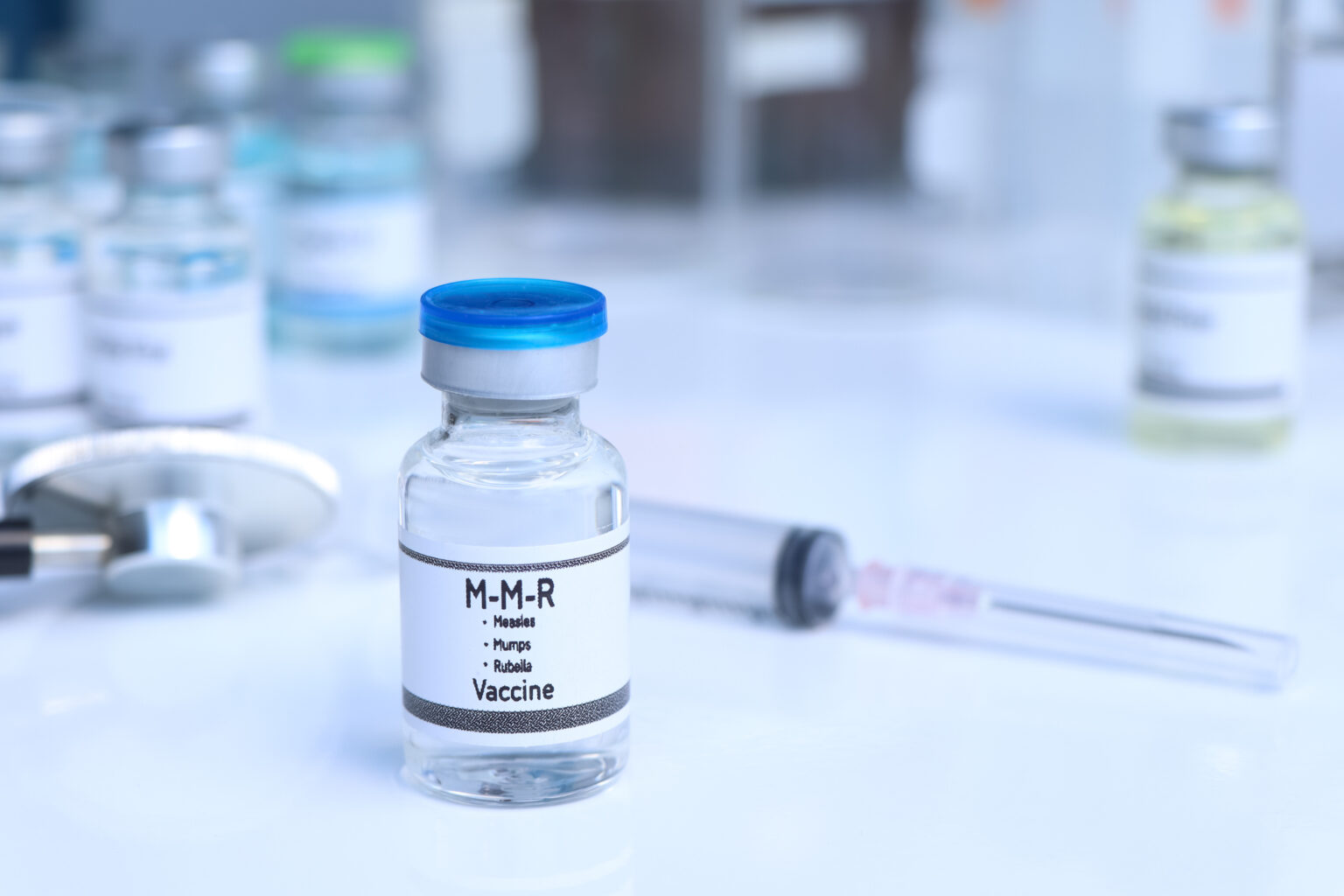
Researchers at Vanderbilt University Medical Center and Parse Biosciences, an innovator in single-cell sequencing, today announced a strategic collaboration aimed at generating a single-cell “atlas” that potentially will lead to new antibody therapies against measles, mumps and rubella (MMR).
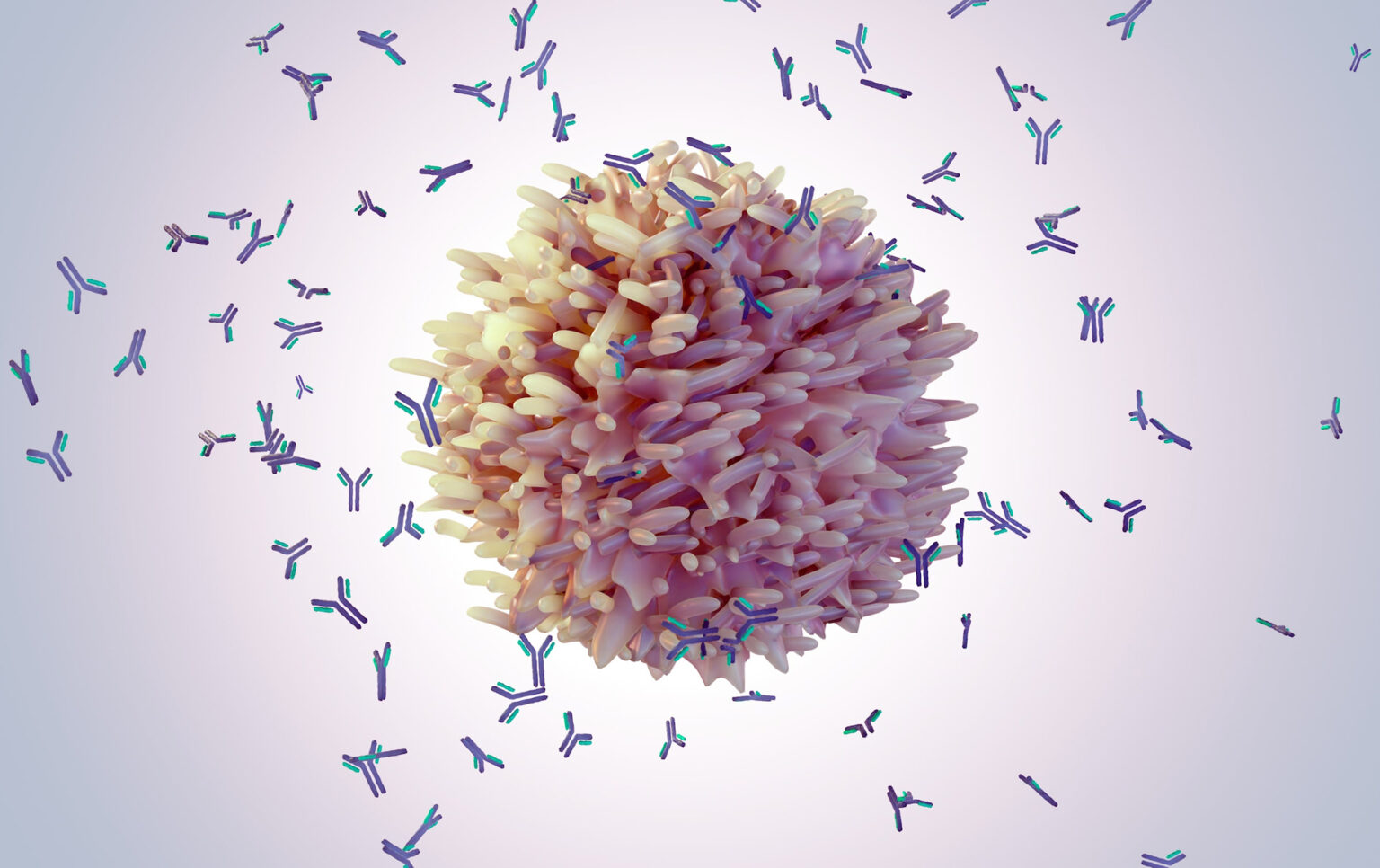
Using technology developed by the Seattle-based company, which can sequence more than 10 million cells in a single run, researchers will scan the landscape of plasmablasts, the first antibody-producing, B-type immune cells that respond to MMR infection. A goal is to rapidly identify cells generating the most potent, neutralizing antibodies.
“This collaboration enables us to create the largest single-cell atlas of plasmablast sequences ever assembled,” said James Crowe Jr., MD, director of the Vanderbilt Center for Antibody Therapeutics (VCAT), which will lead the research effort.
“By sequencing and mapping tens of millions of B-cell receptor sequences, we can uncover the most potent antibody lineages, accelerating antibody discovery and informing vaccine design,” said Crowe, who holds the Ann Scott Carell Chair. “These insights give us a critical edge in both responding to emerging infectious threats and optimizing existing immunization strategies.”
While the current MMR vaccine is highly effective in preventing illness from exposure to the mumps, measles and rubella viruses, the development of injectable monoclonal antibodies that can neutralize these viruses could provide protection or treatment to unimmunized individuals.
During an outbreak of measles, for example, antibodies could be used quickly to limit the spread of infection through close contacts who are not immunized or lack the ability to mount a sufficient immune response to the vaccine, explained Robert Carnahan, PhD, associate VCAT director.
“Through this work, we will not only better understand how antibodies work to prevent and limit infection postinfection and postvaccination, but we also hope to discover protective antibodies that could be developed for use in situations where a vaccine is of limited value, for example, in immunocompromised individuals,” Carnahan said.
In the past, researchers were able to sample relatively limited sets of antibodies. Through the Parse Biosciences GigaLab, they can now apply the company’s innovative Evercode technology and expanded automation to explore more fully the vast diversity of antibodies elicited in response to infection.
“We are thrilled to be working with Dr. James Crowe and the Vanderbilt team on such an exciting project,” Charlie Roco, PhD, Parse Biosciences co-founder and Chief Technology Officer, said in a news release.
“The speed and scale achieved with the GigaLab will enable us to sequence unprecedented numbers of the first immune cells present after exposure to these viral antigens,” Roco said. “In addition to better understanding the immune diversity, clonal expansion and antigen specificity of antibodies across a number of diverse patients, these findings may also identify novel therapeutic antibodies.”
Others in the Crowe lab involved in the antibody atlas effort are Laura Handal, graduate student, Luke Myers, senior application developer, Naveen Suryadevara, PhD, associate basic scientist, Lauren Williamson, PhD, research assistant professor, and Seth Zost, PhD, research instructor.