



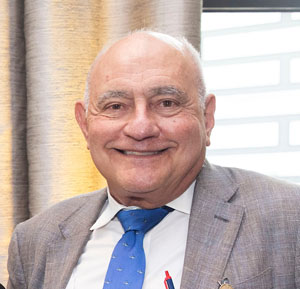
William Russell, MD, is stepping down as director of the Ian M. Burr Division of Pediatric Endocrinology and Diabetes in the Vanderbilt University School of Medicine after 26 years to focus on his research on the prevention of Type 1 diabetes.
Effective Jan. 1, Russell, who led the division since 1999, has been succeeded on an interim basis by Jill Simmons, MD, professor of Pediatrics and founding director of the Program for Pediatric Metabolic Bone Disorders at Monroe Carell Jr. Children’s Hospital at Vanderbilt. Simmons holds the Directorship in Pediatric Metabolic Bone Diseases.
Russell, professor of Pediatrics and Cell and Developmental Biology, has been reappointed to the endowed Cornelius Vanderbilt Chair in Pediatrics, which he has held since 2011. He also will continue as principal investigator of a National Institutes of Health-funded Type 1 Diabetes TrialNet Clinical Center at Monroe Carell.
“The science of medicine was always a bedrock of my academic career, but many of my greatest joys often came from interacting with children and their families who often struggled with complex lifelong diseases,” Russell said.
“A tremendous joy has come from continued contact with patient families from the earliest days of my career,” he said. “I am now caring for infants whose father or mother I met in the clinic decades ago as an infant. These connections are very strong for me.
“Another bedrock of my professional career was the family of colleagues and trainees that I have gathered in my role as division director,” Russell continued. “It is the incredible team of colleagues around me that has made this program shine.”
Under his stewardship, the division grew from two faculty members to 24, established specialty clinics and community endocrinology and diabetes clinics for children throughout Middle Tennessee, and added substantially to the philanthropic, foundation and NIH support of its research and clinical programs.
Russell said he looks forward to continuing to care for patients, while helping to “solidify the gains that have made the division a magnet for scholars focused on laboratory and clinical aspects of autoimmunity, and especially the prevention of Type 1 diabetes.”