


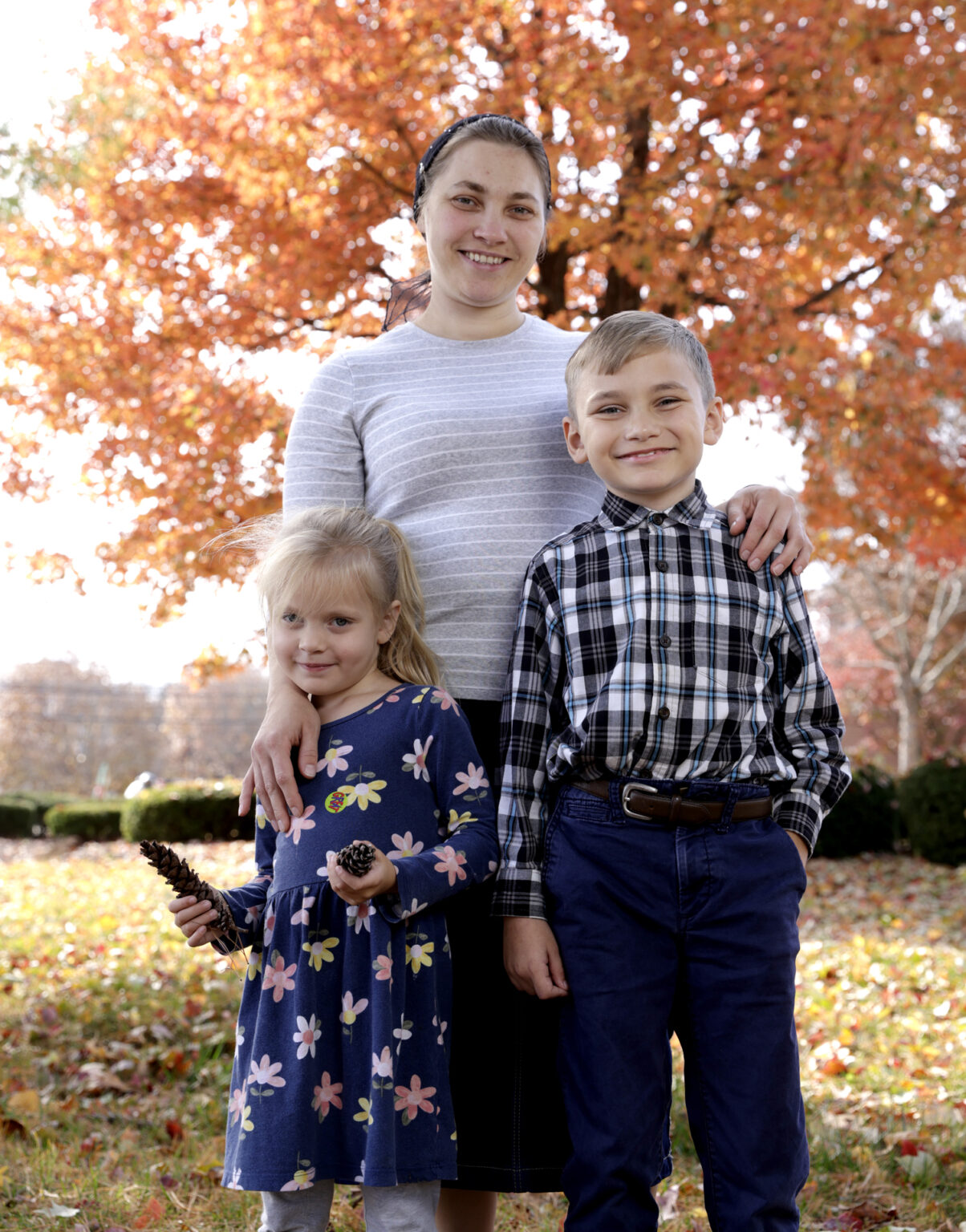

What began as a carefree summer day July 19, 2022, turned into a nightmare for the Ogorodnik family. Mark Ogorodnik, then 6, was playing outside with his brothers under his mother’s supervision on the family’s 2-acre property.
While his mother went inside to change his baby sister’s diaper, Mark climbed a tree on the property. A dry branch broke under his weight, and he fell about 15 feet to the ground.
His father and uncle were working in the backyard when they heard the crash. Mark’s dad, Ruslan Ogorodnik, ran inside shouting that his son had fallen. Mark was blue, not breathing, and bleeding from his ears. Ruslan called 911 as Anna Ogorodnik’s brother — a volunteer firefighter and first responder trainee — began CPR. After five minutes of CPR, Mark started breathing. Police arrived first, followed by firefighters and then paramedics who rushed Mark to Monroe Carell Jr. Children’s Hospital at Vanderbilt.
“When I saw Mark unconscious, I screamed, ‘God, please give us our Mark back!’ At that moment, God whispered in my ear that Mark would live,” Anna Ogorodnik said. “Me and my husband just prayed to God that he please give his wisdom to the paramedics and save Mark’s life.”
An MRI scan performed at Monroe Carell revealed that Mark, in addition to other fractures, had a severe traumatic brain injury (TBI). The prognosis was grim.
“The neurosurgeon said that the situation was very bad … and that he might never regain consciousness,” said Anna Ogorodnik. “My husband and I told the doctor, ‘We have a God who is powerful enough to perform a miracle, and we believe in that.’”
Mark would defy the odds and indeed prove to be a miracle.
Mark’s care required immediate action and close coordination between the emergency department, neurosurgery, and pediatric neurocritical care teams. The neurosurgeons performed lifesaving interventions with the placement of an intracranial pressure (ICP) monitor and a brain fluid drainage tube procedure to relieve pressure on his brain.
“In meeting with Mark’s parents at his bedside, I explained just how severe his brain injury was, and that, alongside our ICU colleagues, we had done and would continue to do everything within our power to keep Mark alive and give him the best shot possible,” said Michael C. Dewan, MD, MSCI, associate professor of Neurological Surgery and Pediatrics.
For the next 21 days, every detail mattered — blood pressure, oxygen levels, sedation — all monitored as his body worked to heal his brain. Pediatric neurocritical care focuses on children who’ve had severe injury or illness affecting the brain or spine. If pressure is a concern, the team escalates medical management of a brain injury by adding therapies to hopefully lower the pressure until all nonsurgical options are exhausted.
“The first one to two weeks after a severe TBI are critical,” said Michael Wolf, MD, director of Neurocritical Care in the Division of Pediatric Critical Care Medicine at Monroe Carell.
“We work hand in hand with our neurosurgeons who provide lifesaving surgical interventions. Together we strive to optimize every aspect of a patient’s care. When a child has had a severe TBI, every detail in their care matters in the early days following their injury. The neurocritical care team brings together the best resources Monroe Carell has to offer to support children with TBI from start to finish,” added Wolf, who was not directly involved in Mark’s care. Wolf directs and coordinates resources in the intensive care unit to provide the highest level of neurocritical care.
TBI is a leading cause of death and disability in children. Common causes of head trauma include vehicle-related accidents, falls and violence, and usually lead to a blunt force to the head, disrupting critical brain functions that regulate the body.
Monroe Carell is among the nation’s leaders in pediatric TBI outcomes. The hospital participates in the American College of Surgeons Trauma Quality Improvement Program(TQIP) and follows the Brain Trauma Foundation guidelines for care of severe TBI. In 2022, the team revised sedation and ICP management protocols and emphasized hypertonic saline therapy (higher sodium solution).
According to a recent TQIP report, Monroe Carell has significantly reduced the mortality odds ratio for severe pediatric TBI in patients from 1 in 2020 to 0.4 today. That means that after accounting for the severity of injuries, children treated at Monroe Carell are now less than half as likely to die as similar patients nationwide — a dramatic improvement that reflects lives saved through systemwide collaboration, according to Wolf.
“These data reflect our teams’ efforts and the resources we’ve devoted to pushing the envelope in the care we offer for critically ill children with TBI. Because we’ve had consistent improvement, a child with TBI has a better chance of survival today than they did five years ago. And a child who comes to us critically ill with a TBI has a better chance of survival at Vanderbilt than other centers,” Wolf said.
The work to help a child, like Mark, begins upon arrival at the emergency department. Recovery from TBI is rarely about one dramatic intervention. It’s the sum of countless small actions, guided by expertise and teamwork. Neurosurgeons, trauma surgeons, intensivists, nurses and therapists worked to keep Mark alive and stable so he could begin the long road to rehabilitation.
“Our role is to stabilize, control what we can control, and create the best possible conditions for recovery and a space for healing,” Wolf said. “Mark’s recovery is a testament to his family’s faith and the power of multidisciplinary care.”
After 21 days at Monroe Carell, Mark transferred to Atlanta for six weeks of intensive inpatient rehabilitation. Progress was slow but steady. His mom said prayer and singing songs from church were key in his improvement.
“God taught me patience, to trust in him, to pray, to encourage other people who are going through similar difficulties, and to always repeat the scripture verse: Jeremiah 29:11,” she said.
By the sixth week of rehab, Anna Ogorodnik recalls when Mark said his first word, “catch” in Russian, their family’s first language.
Four months after the injury occurred, Mark had another visit to the neurosurgeon. In the middle of the conversation, the doctor held up a pencil and asked, “What is this?” Mark whispered, “Pen…cil.” It was a small word, but a huge milestone that surprised everyone.
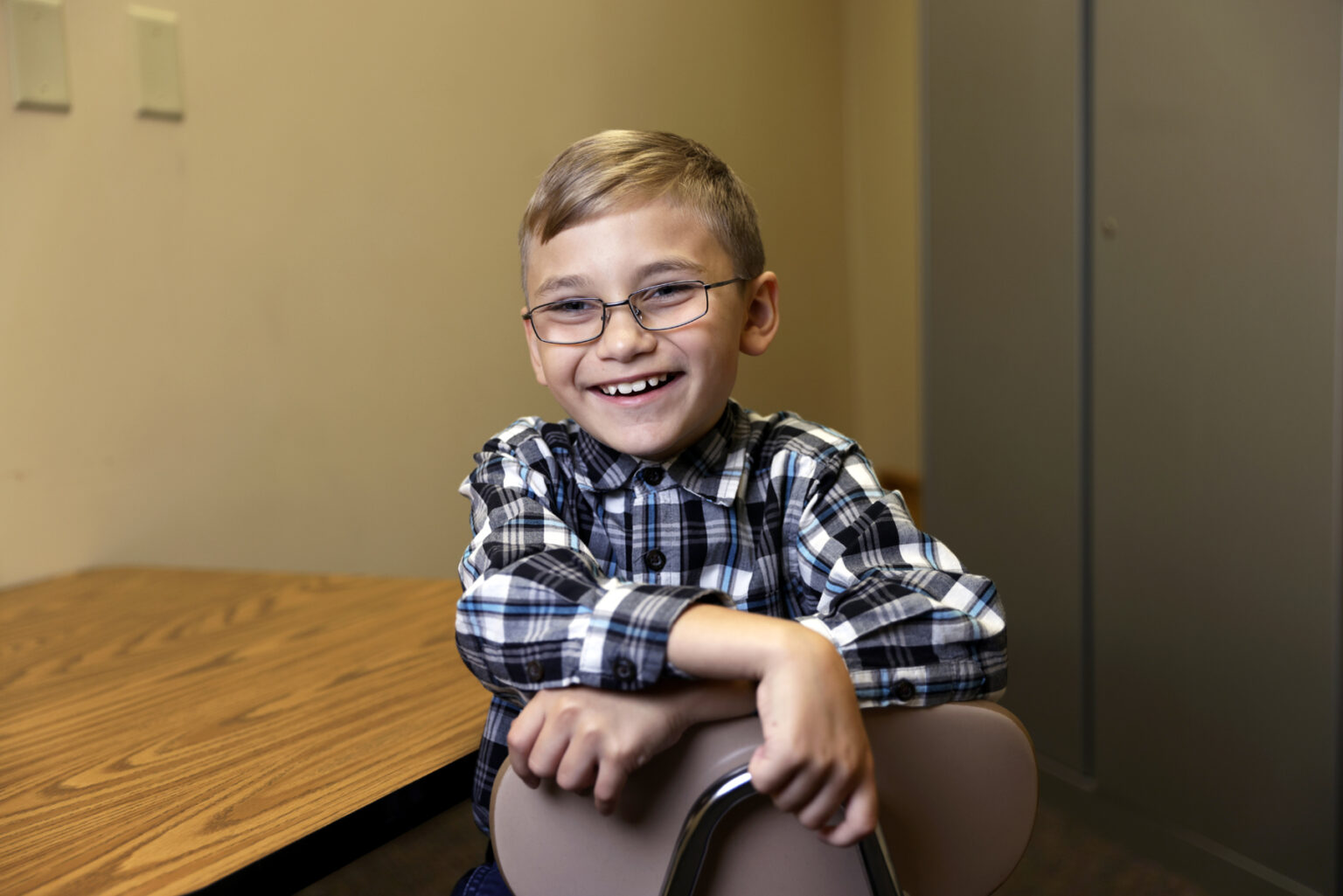
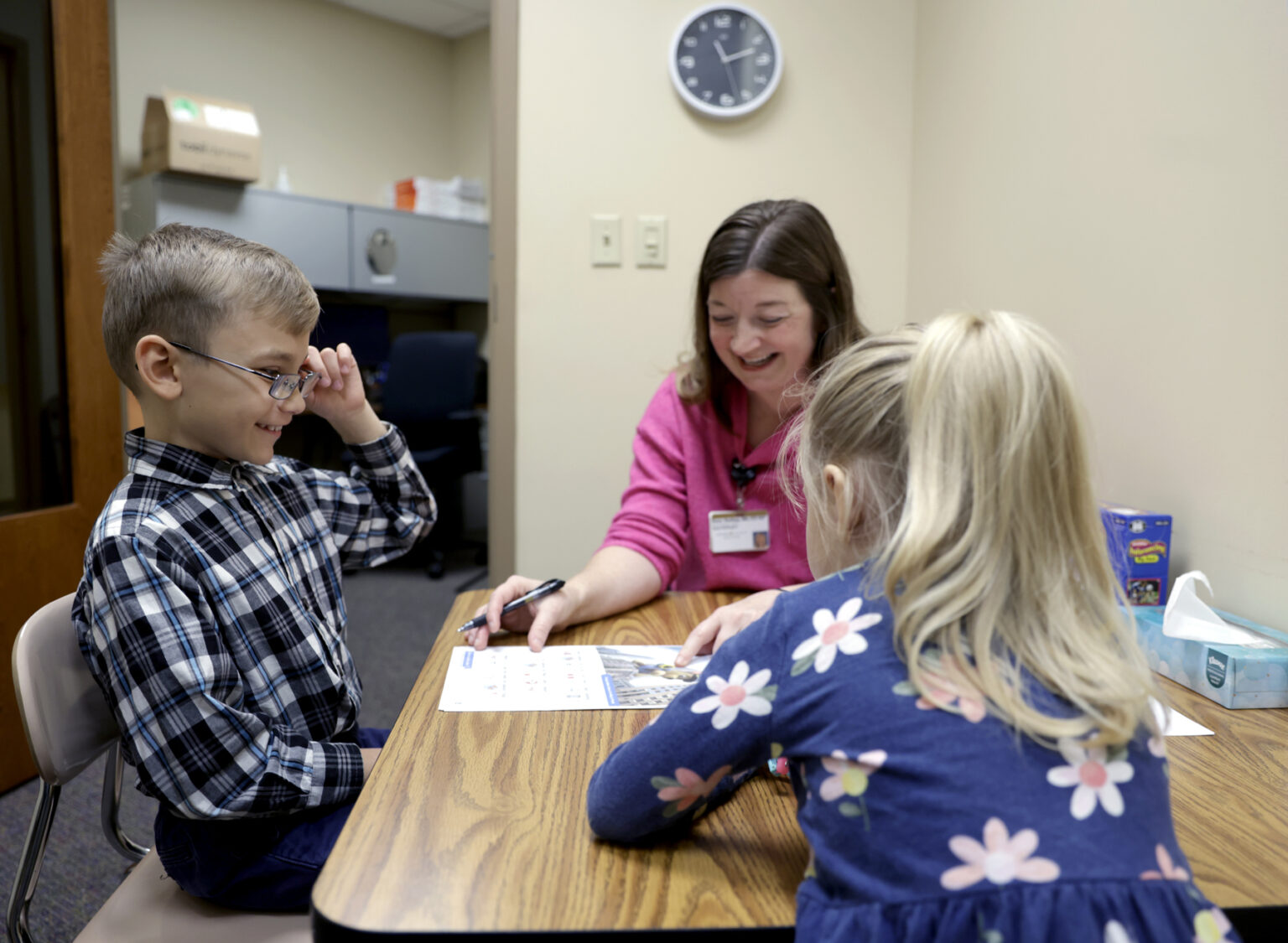
Today, Mark is 10 years old. He can walk on his own, though his right side remains weak. He tires easily and sometimes needs to use a wheelchair. He continues physical, occupational and speech therapy with Monroe Carell care teams and works hard to improve his reading and communication skills. He always does it with a smile on his face, his mom says.
“Even if something is hard, he does not give up. We are grateful to God for the kind people and medical professionals who do their job, sharing their experience and kindness with us.
“Mark’s journey has not ended — it still continues to bring glory to the One who gave him life,” Anna Ogorodnik said.


