


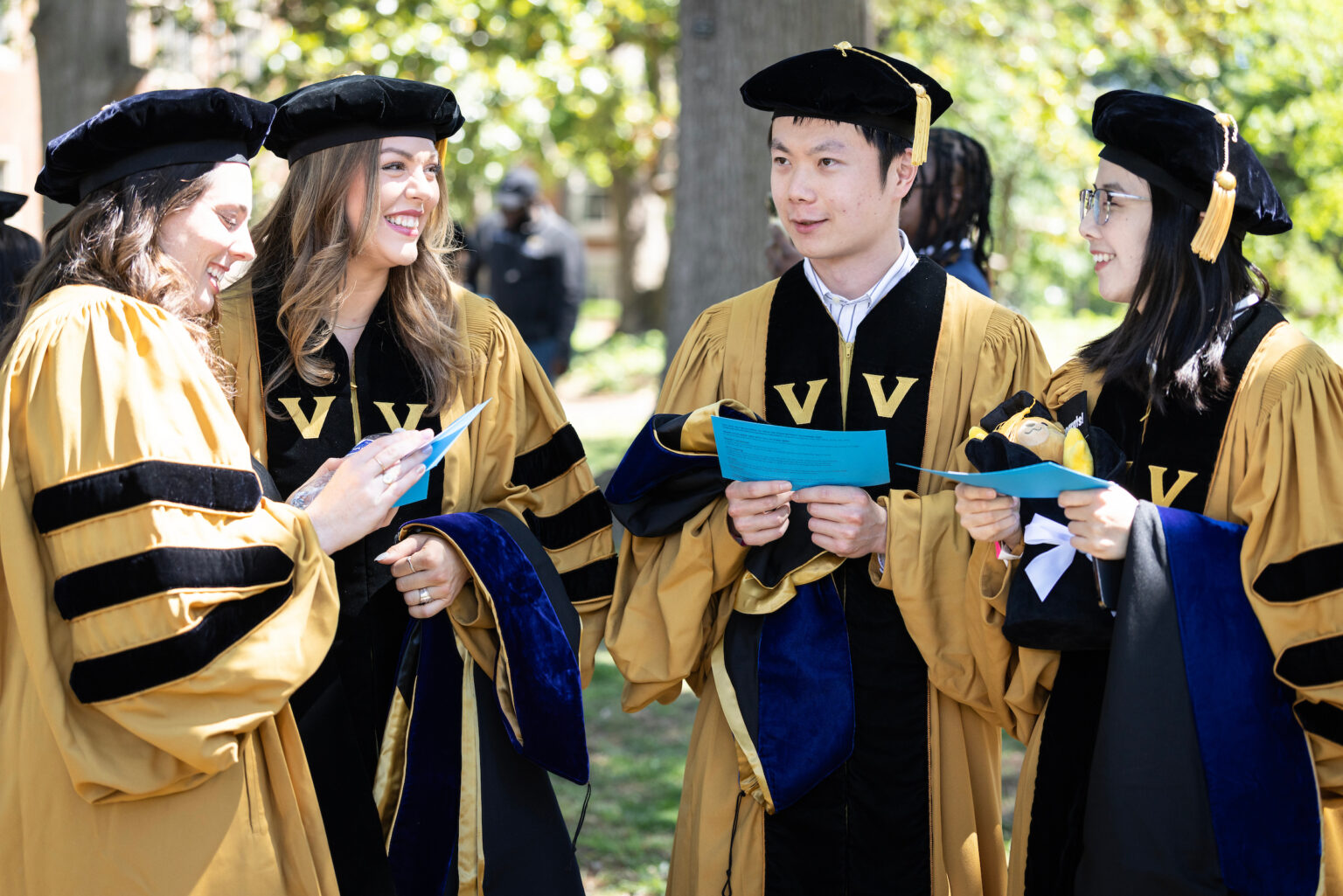
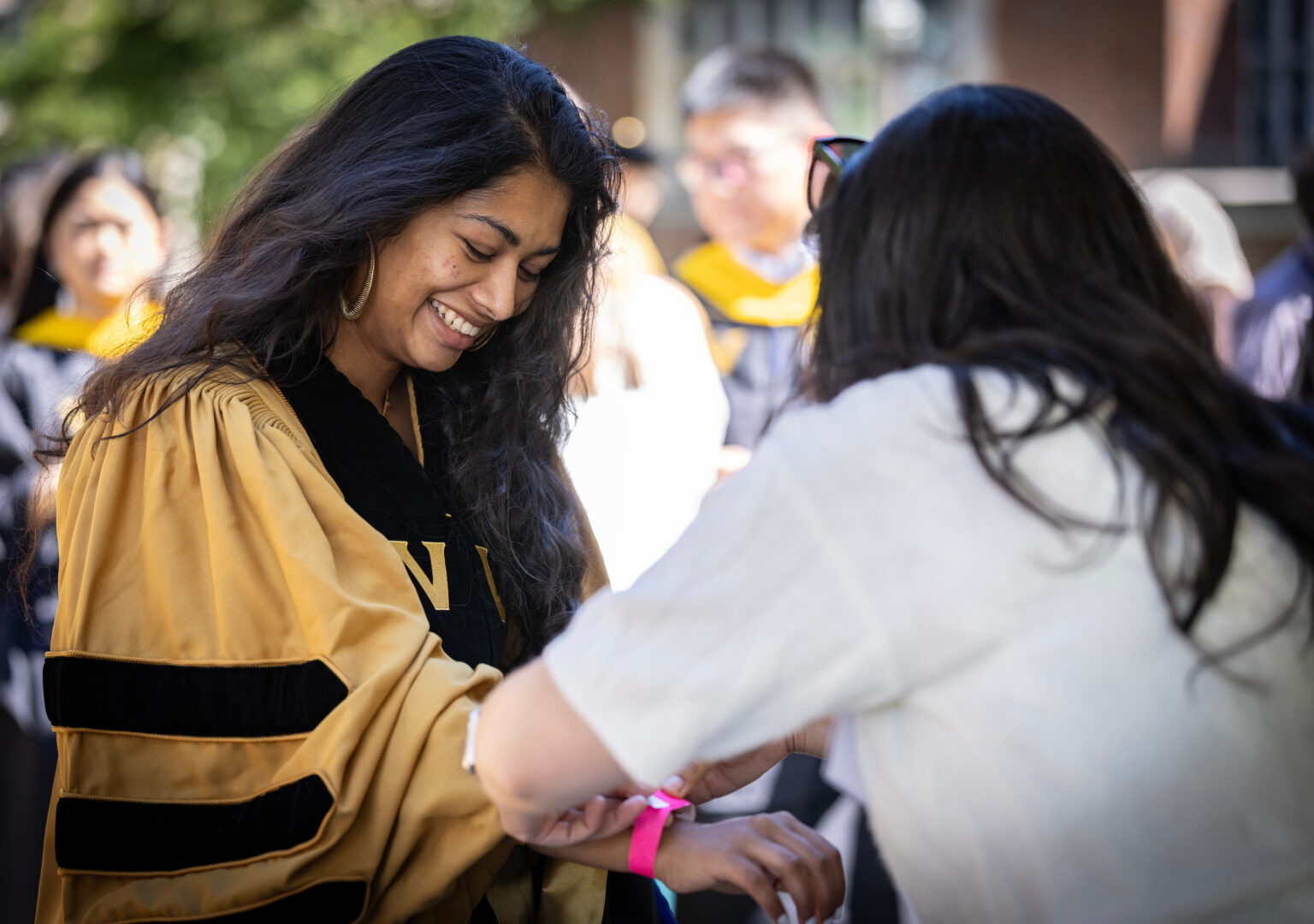
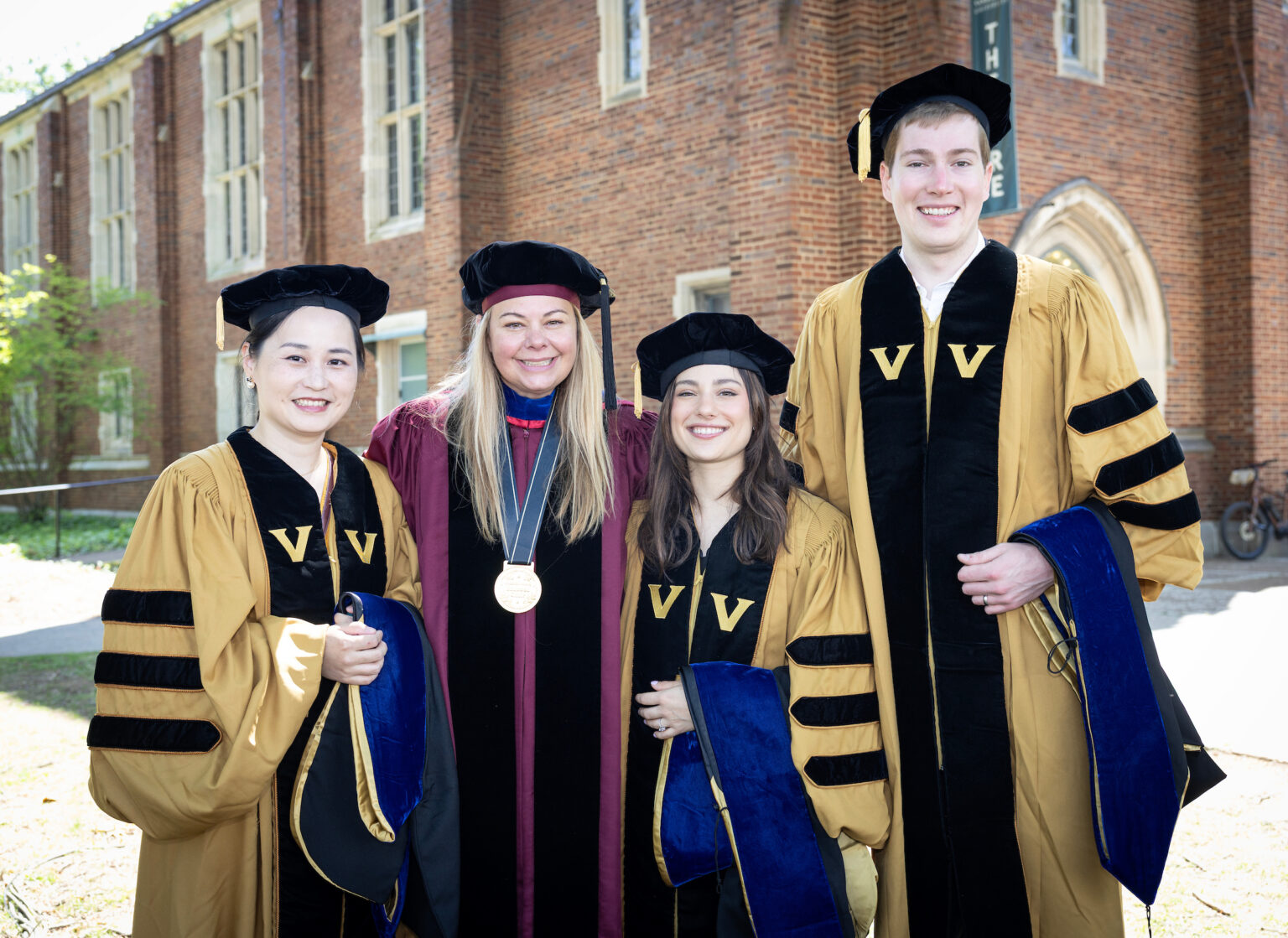
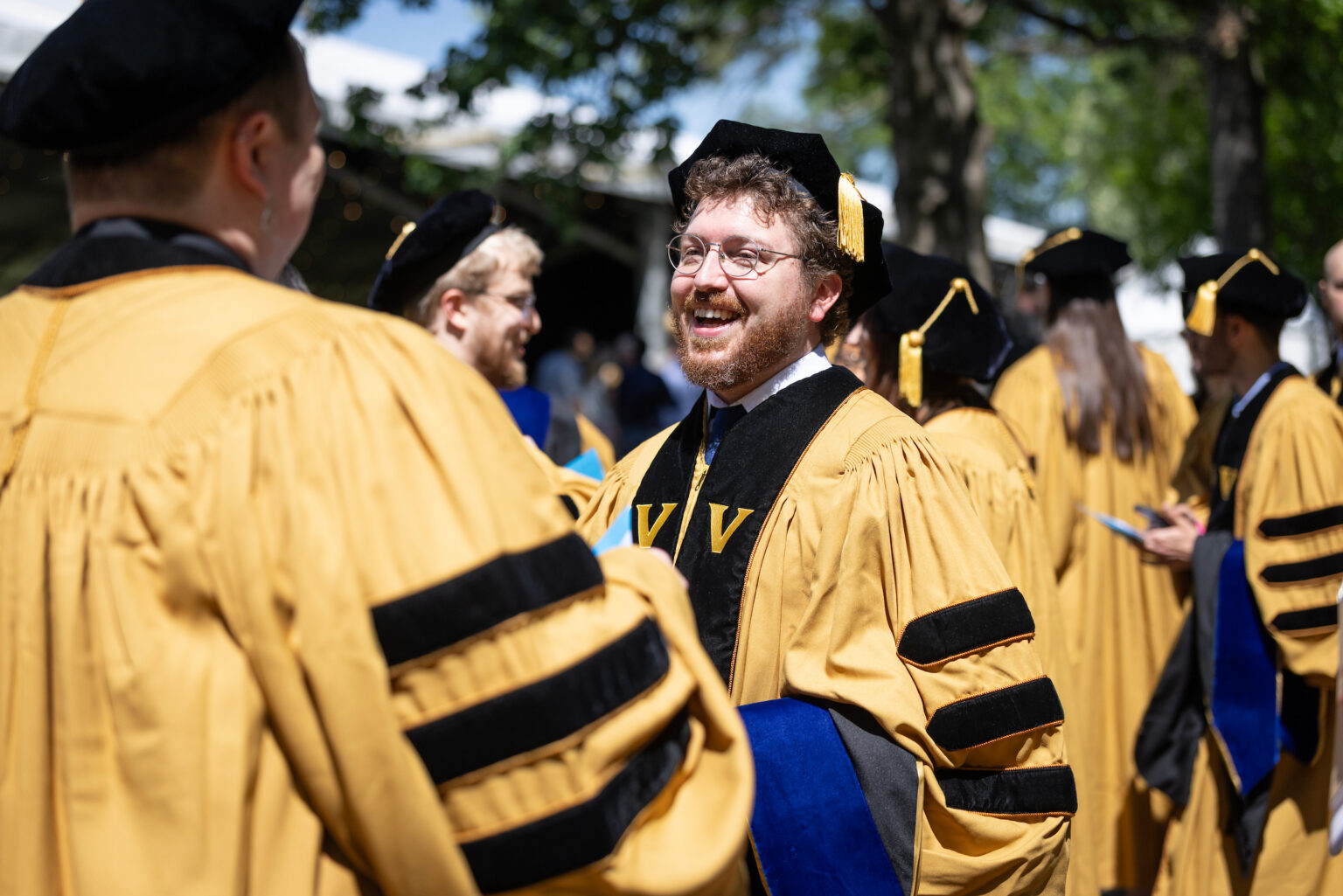
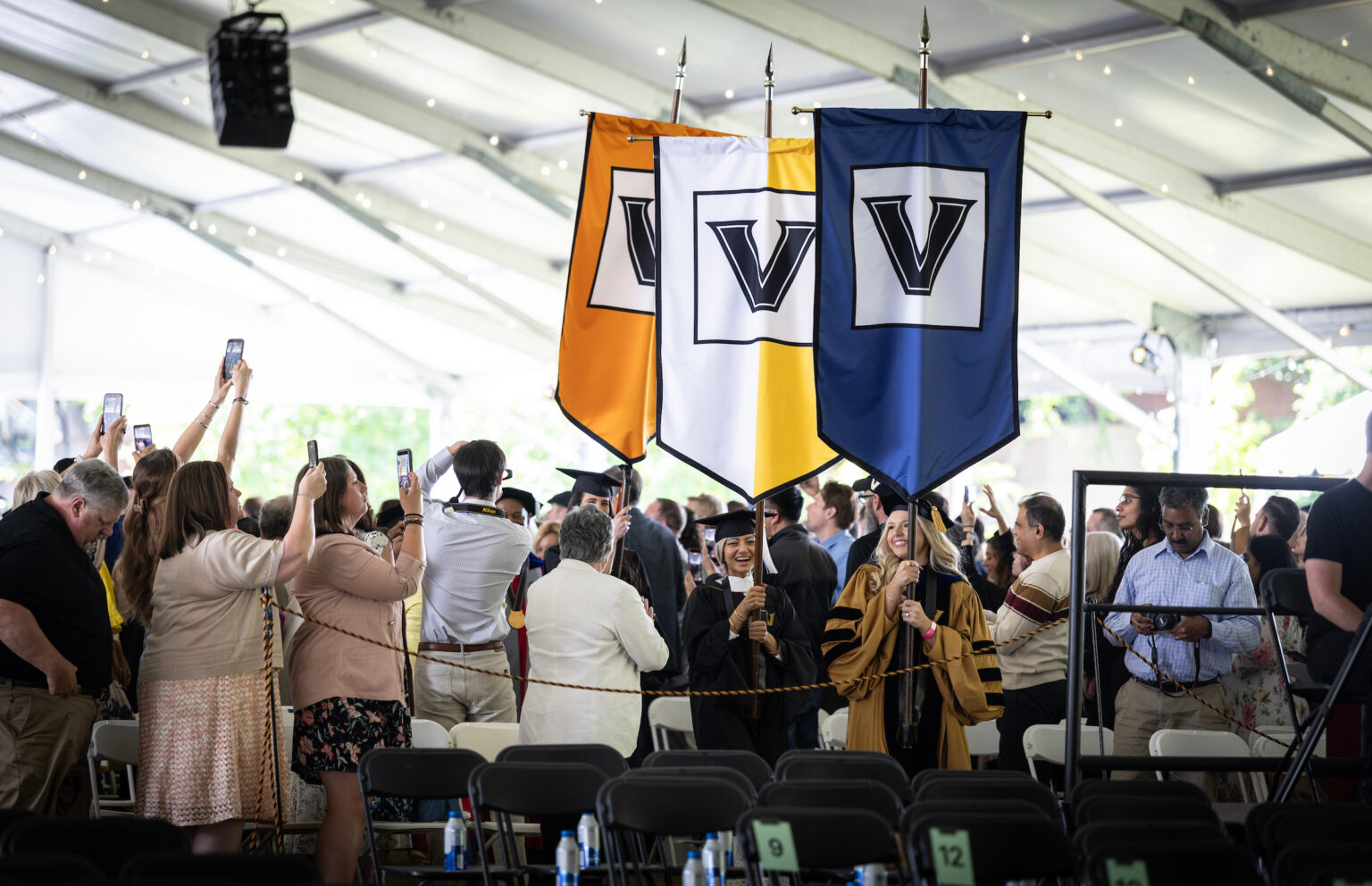
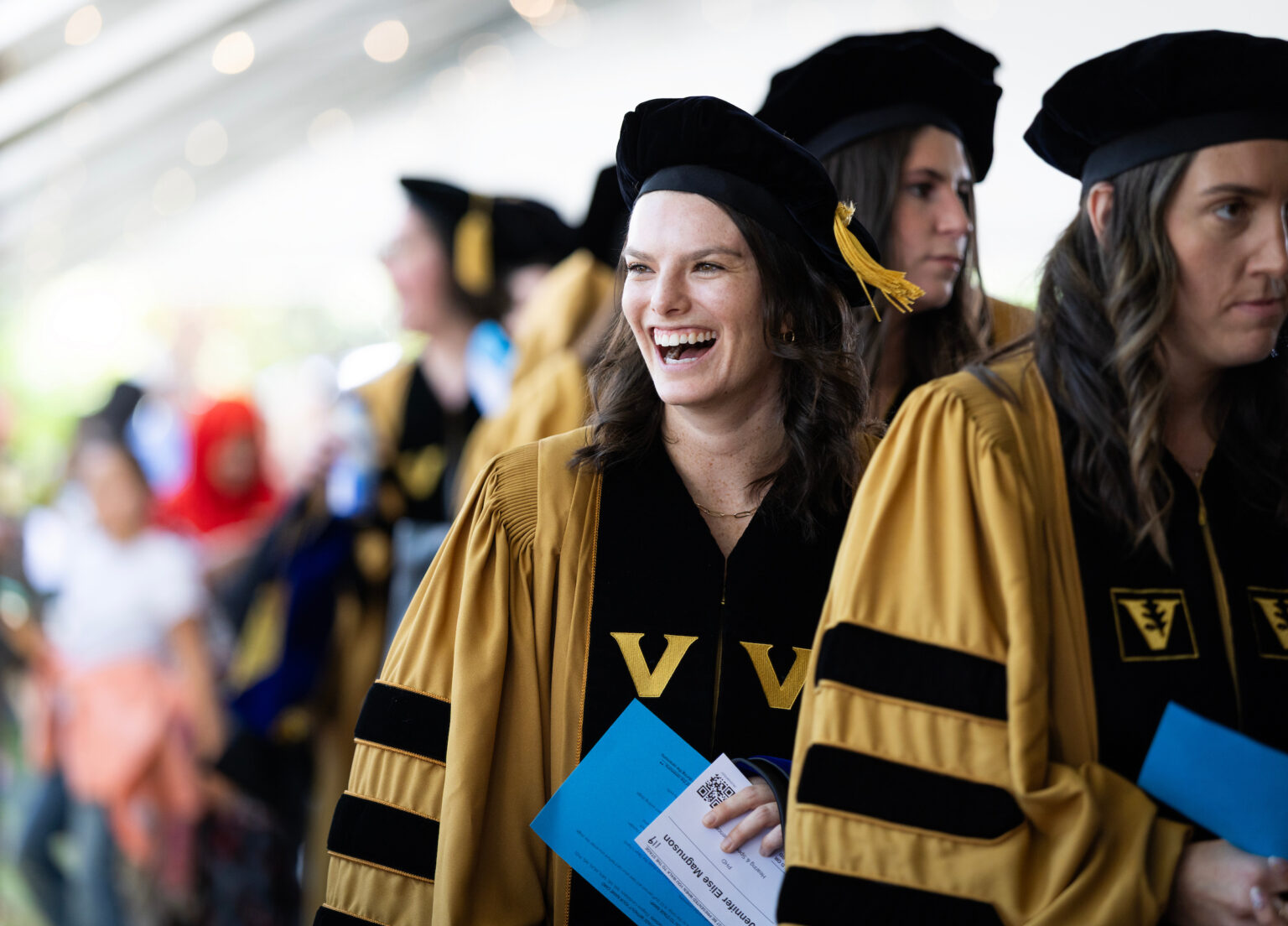
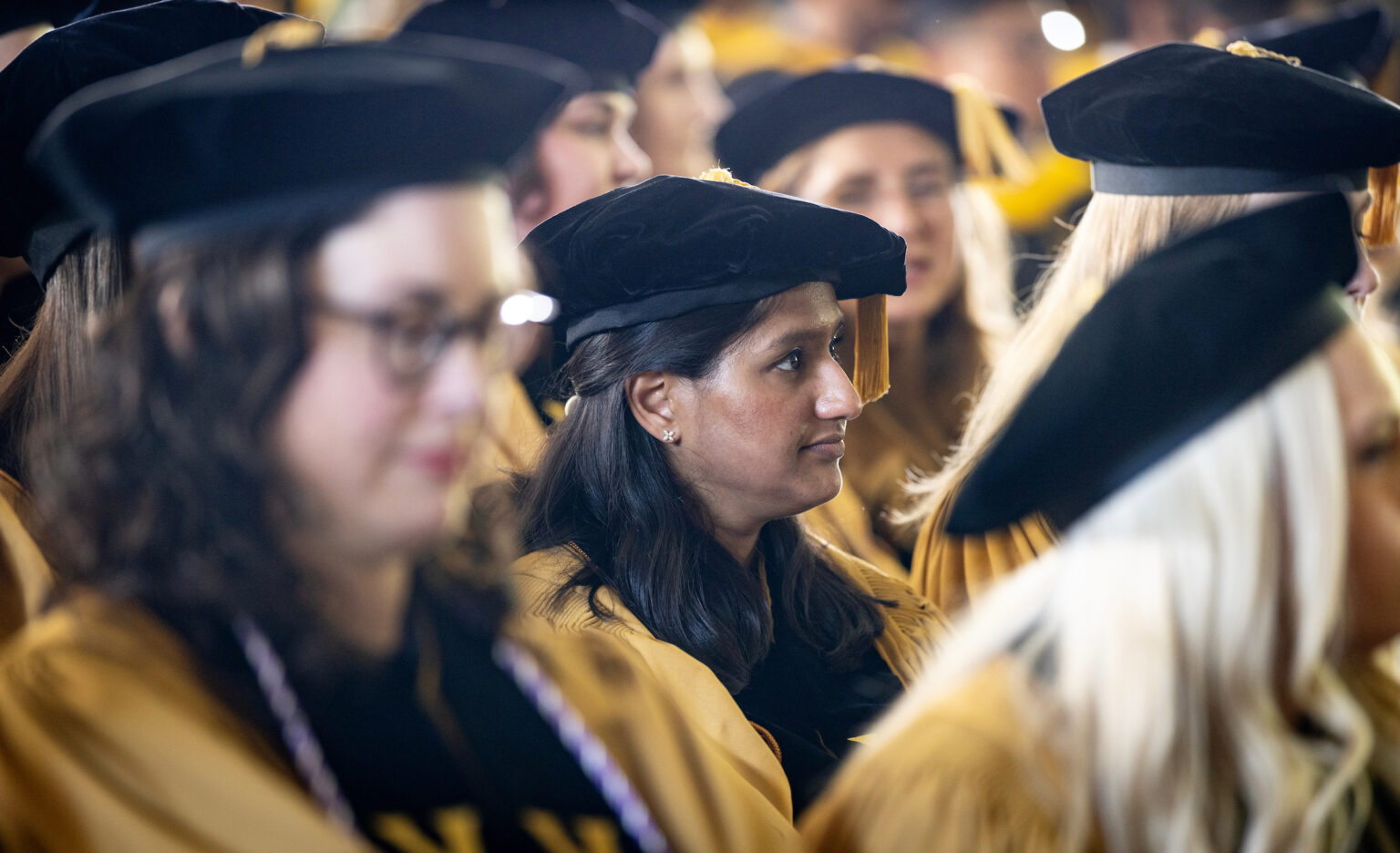
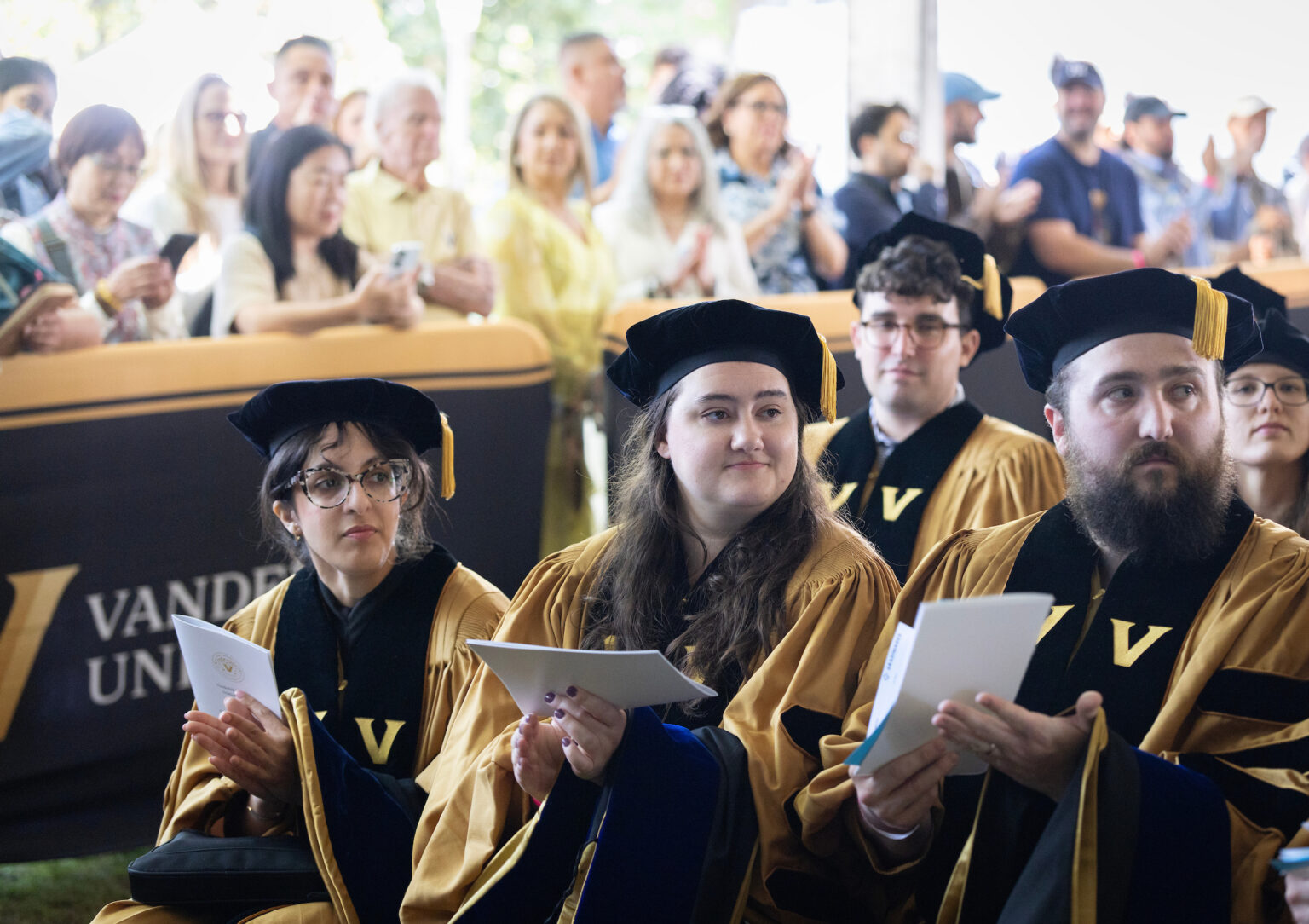

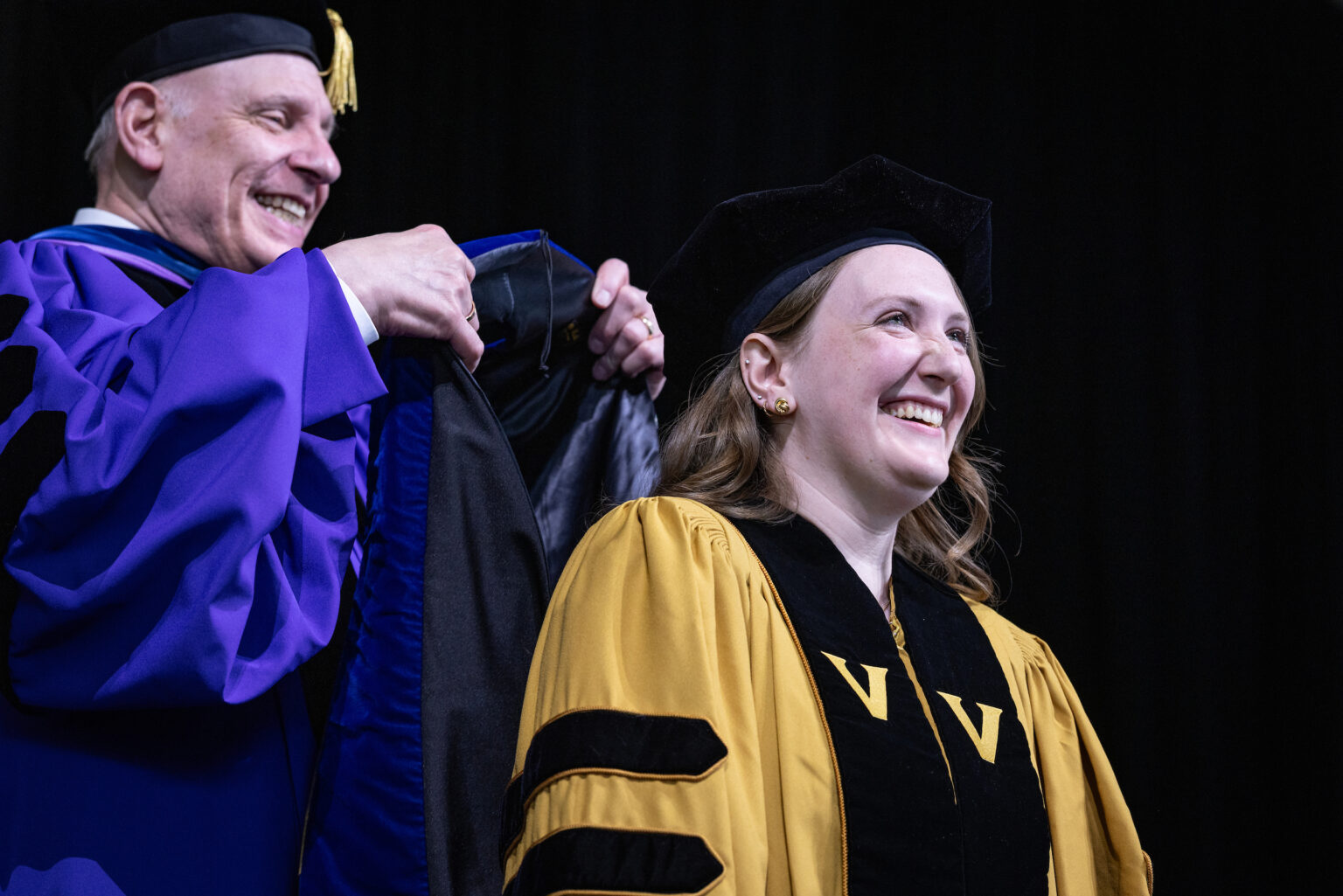
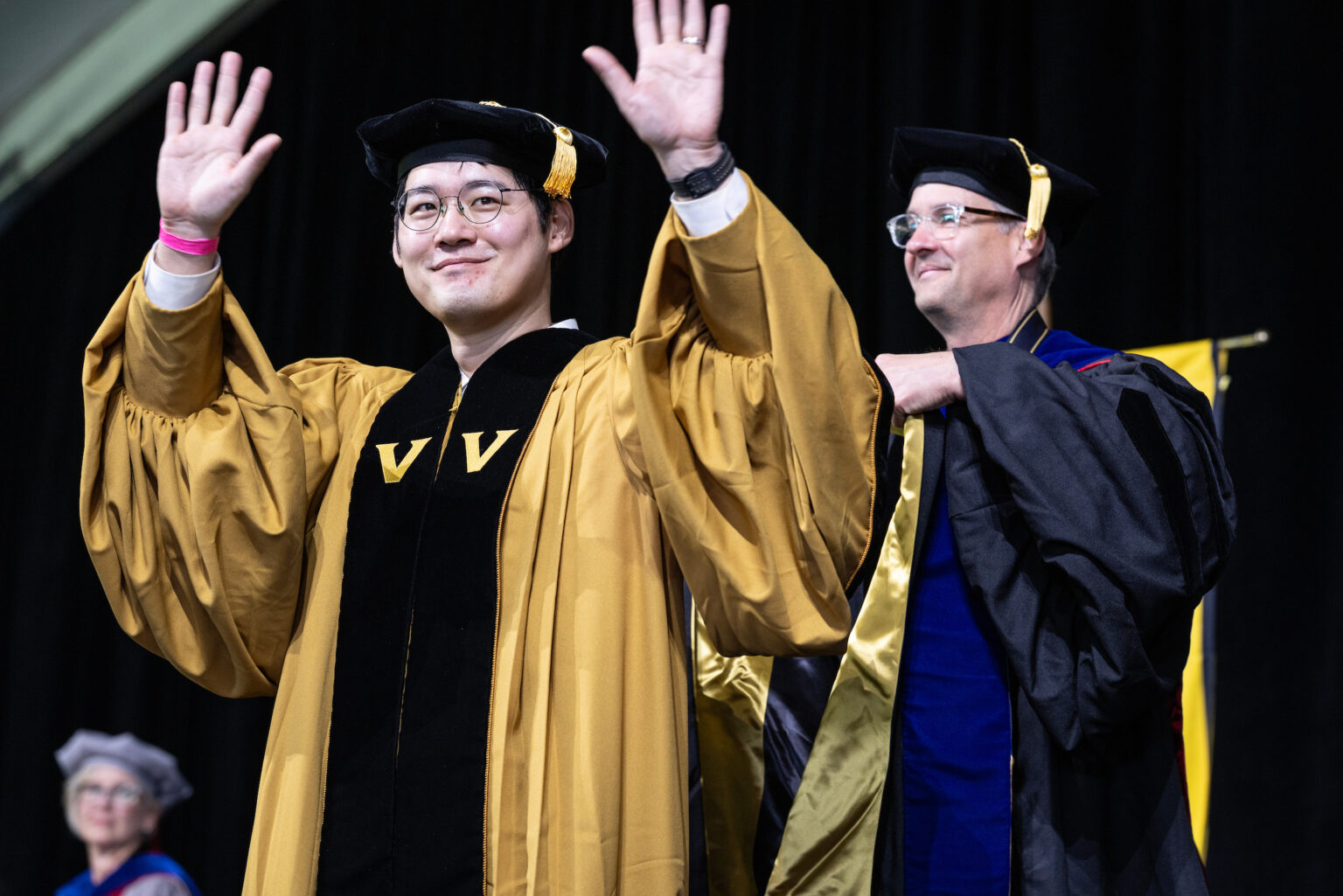
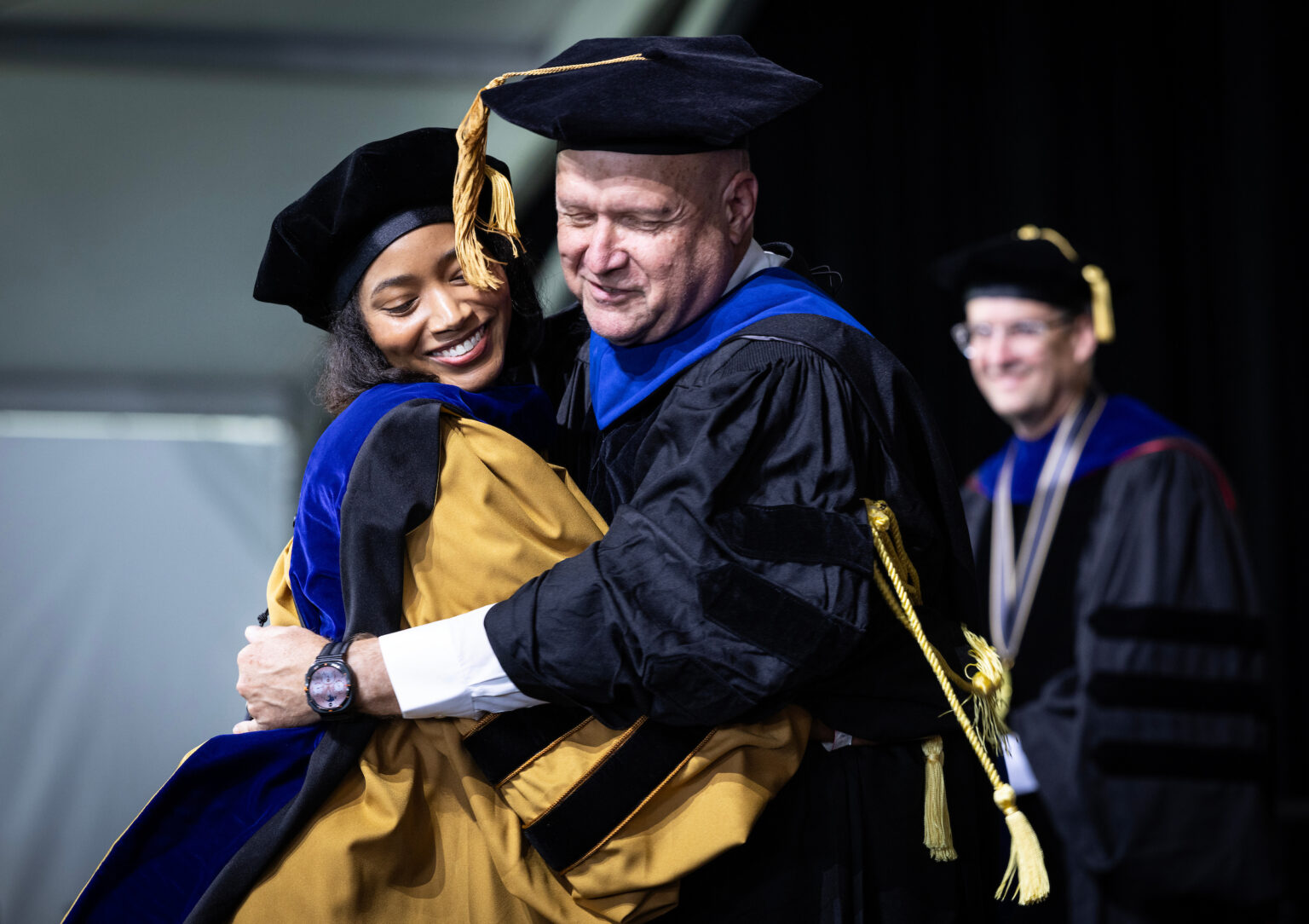
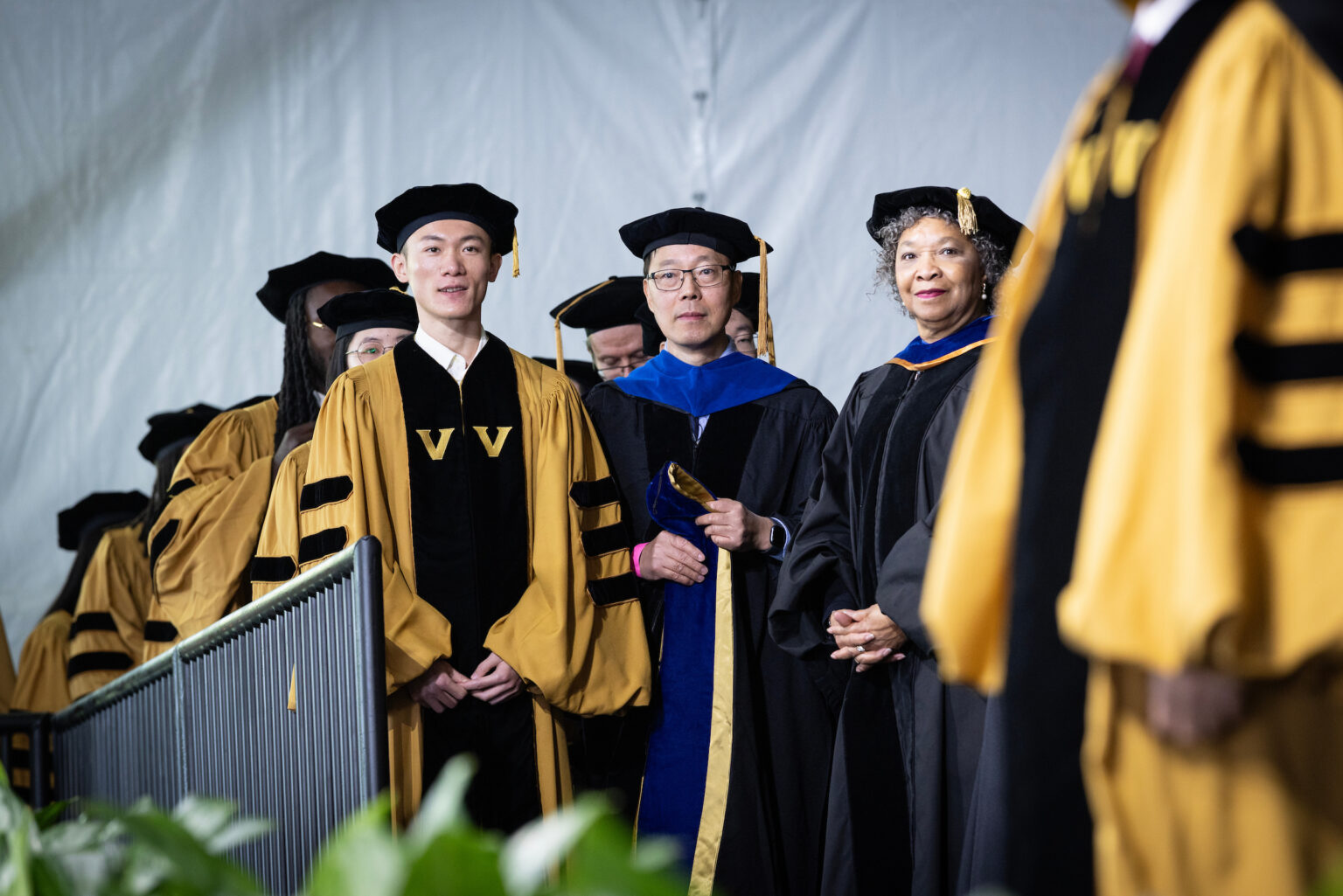
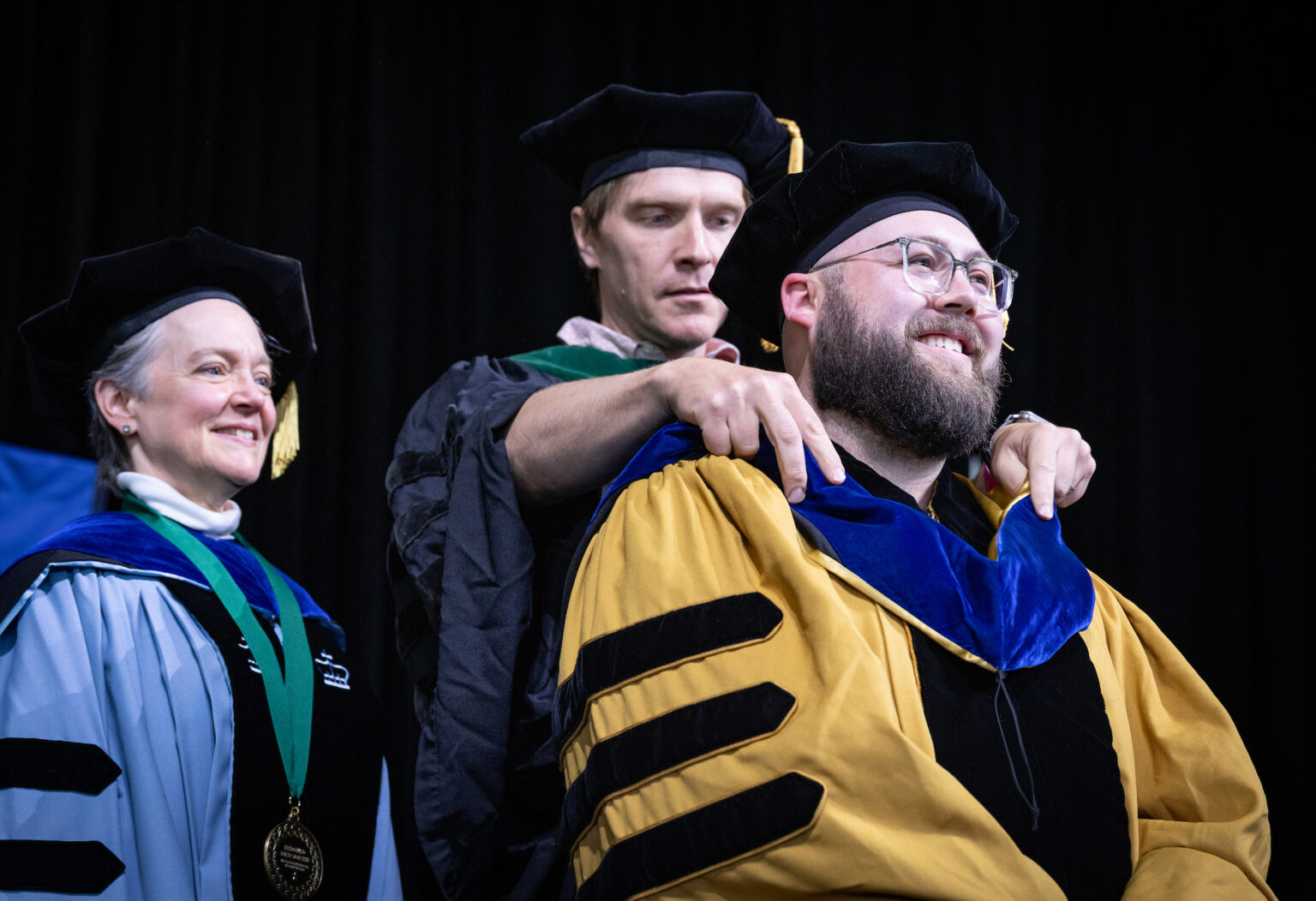
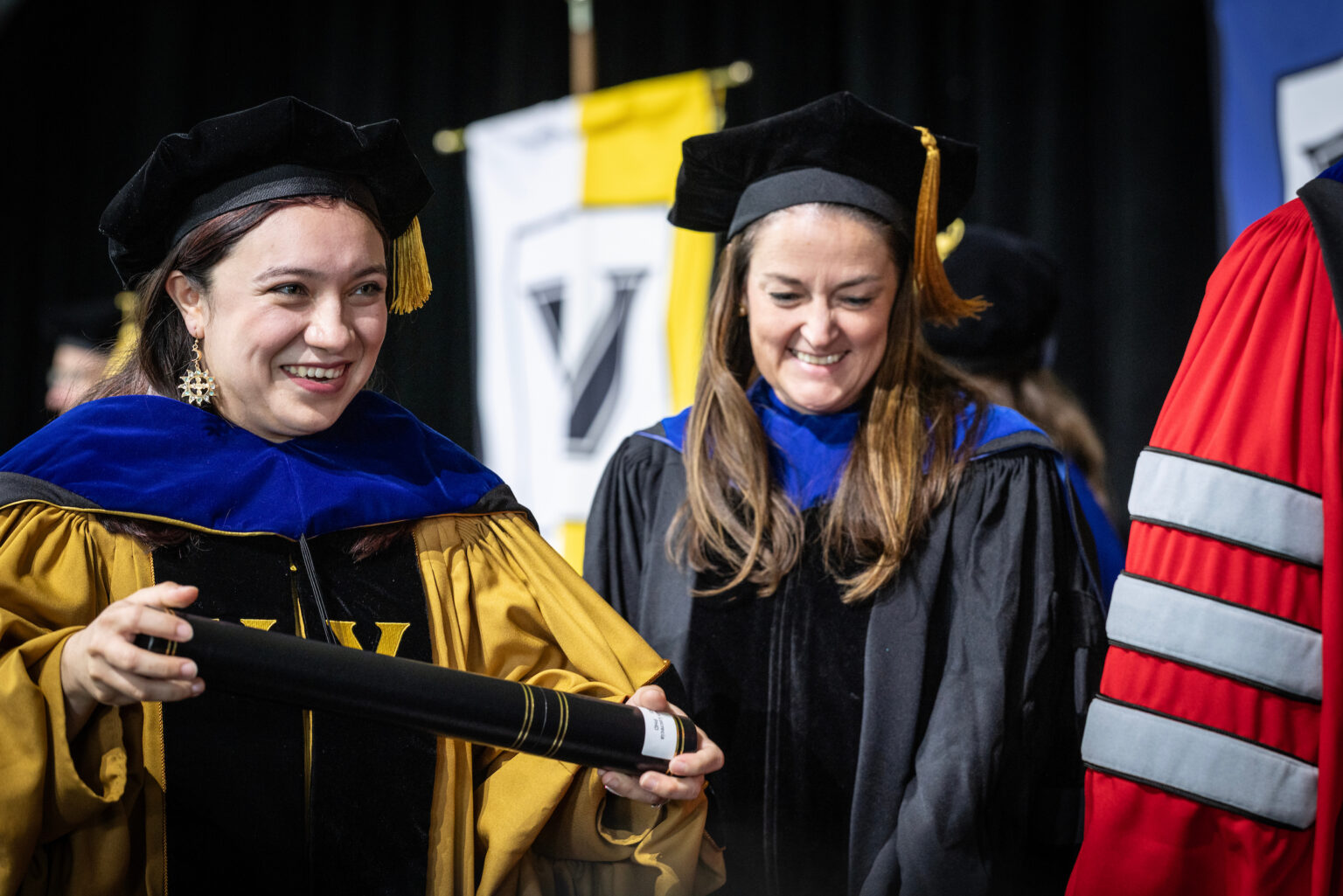
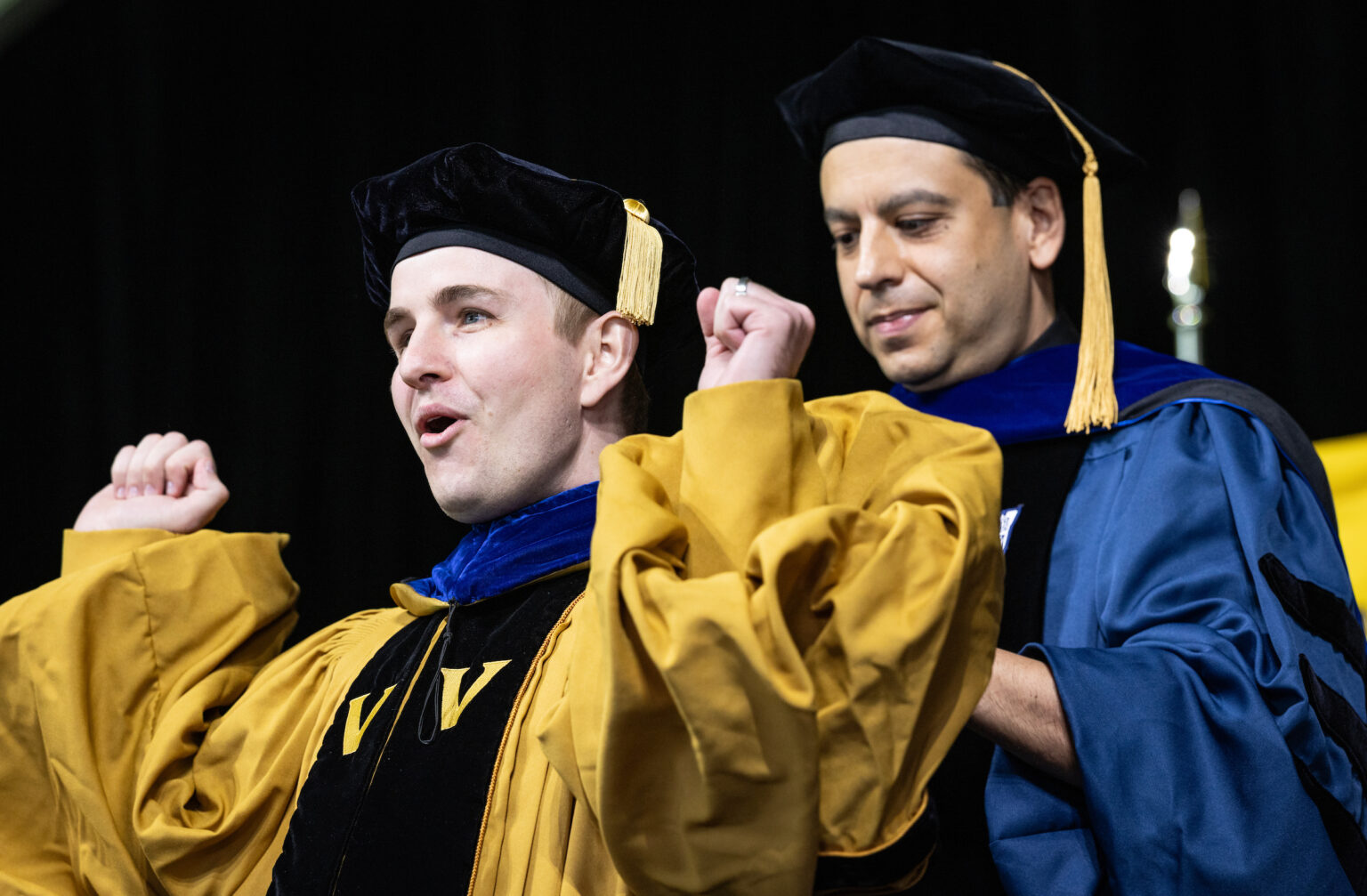
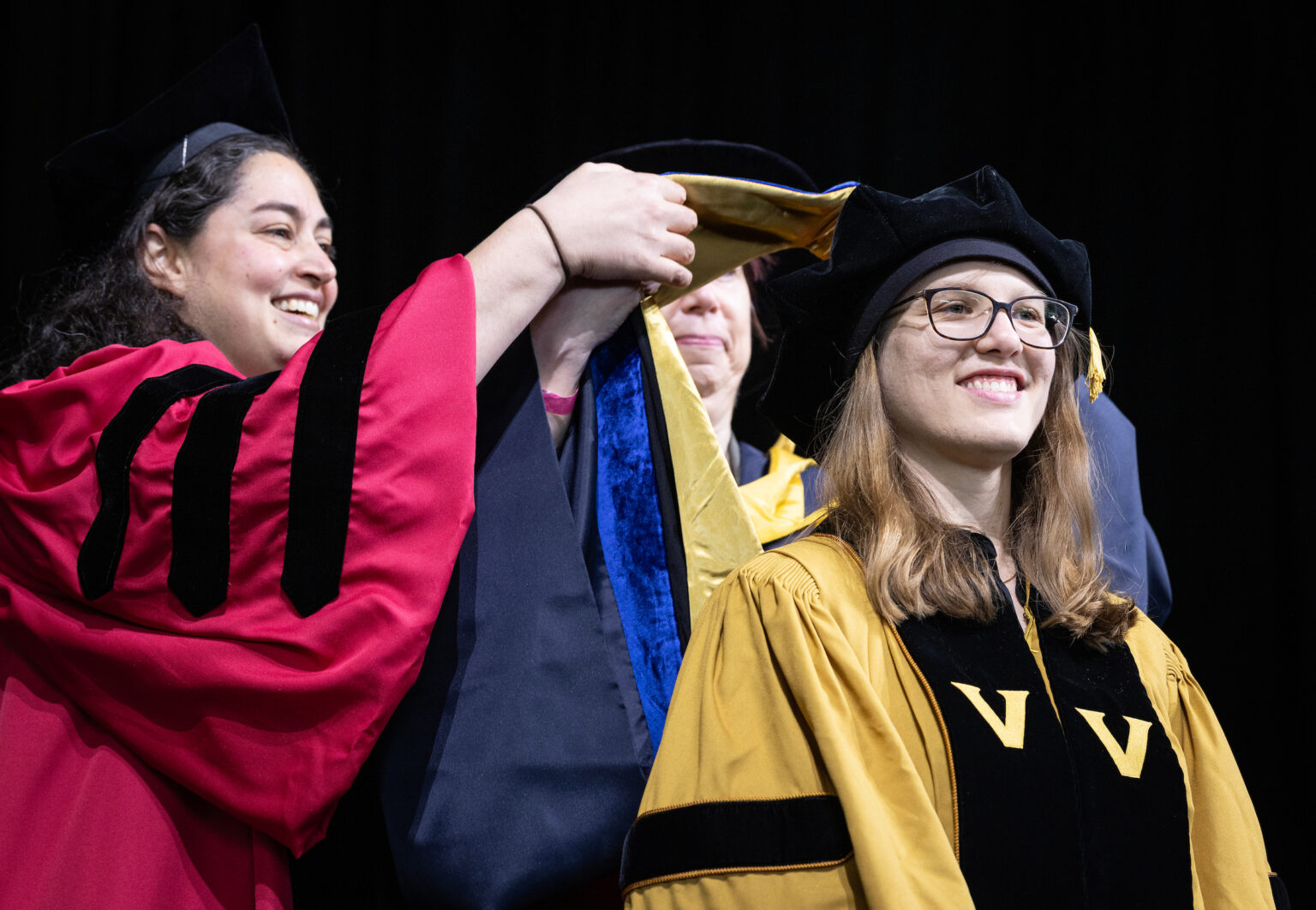
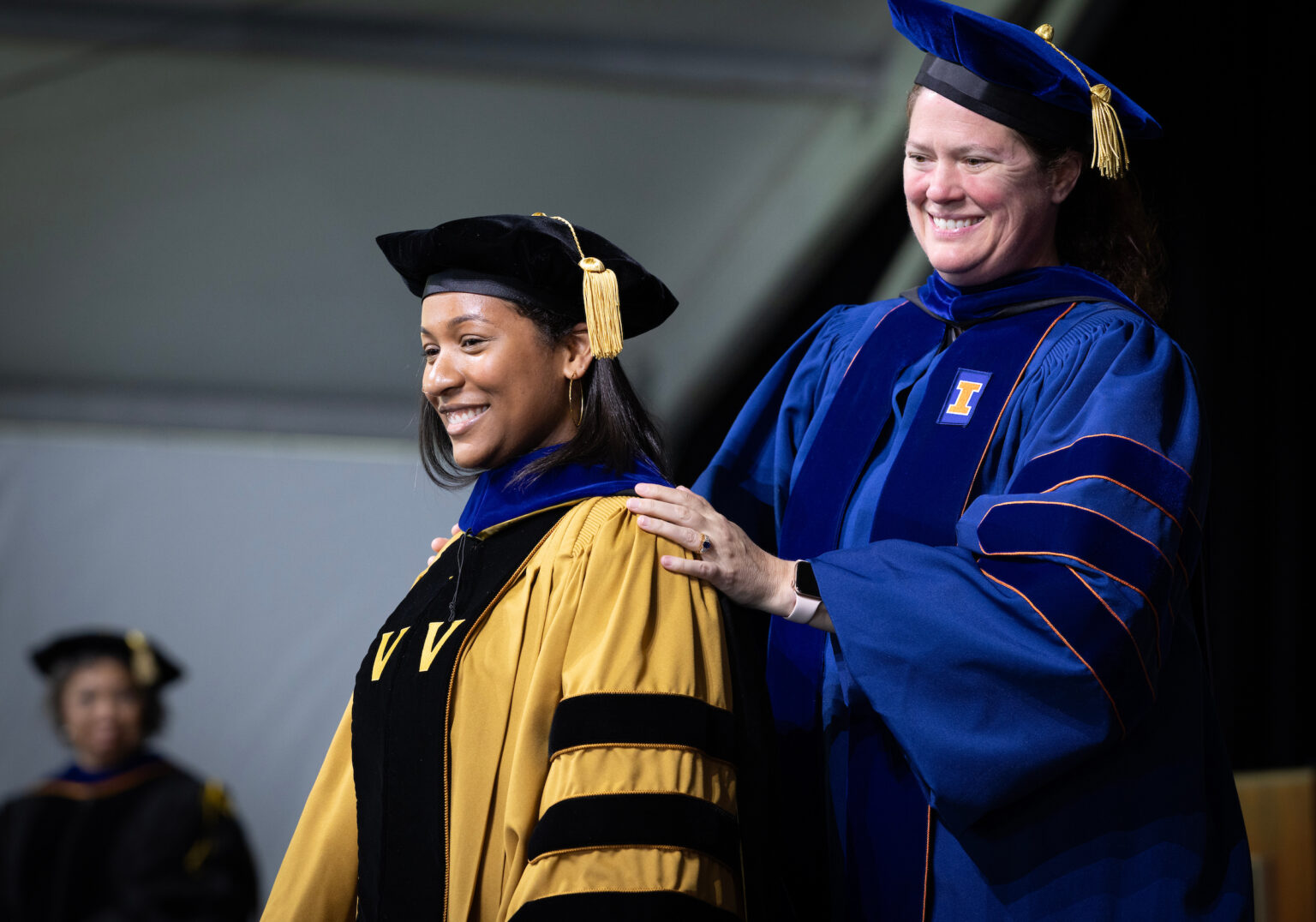
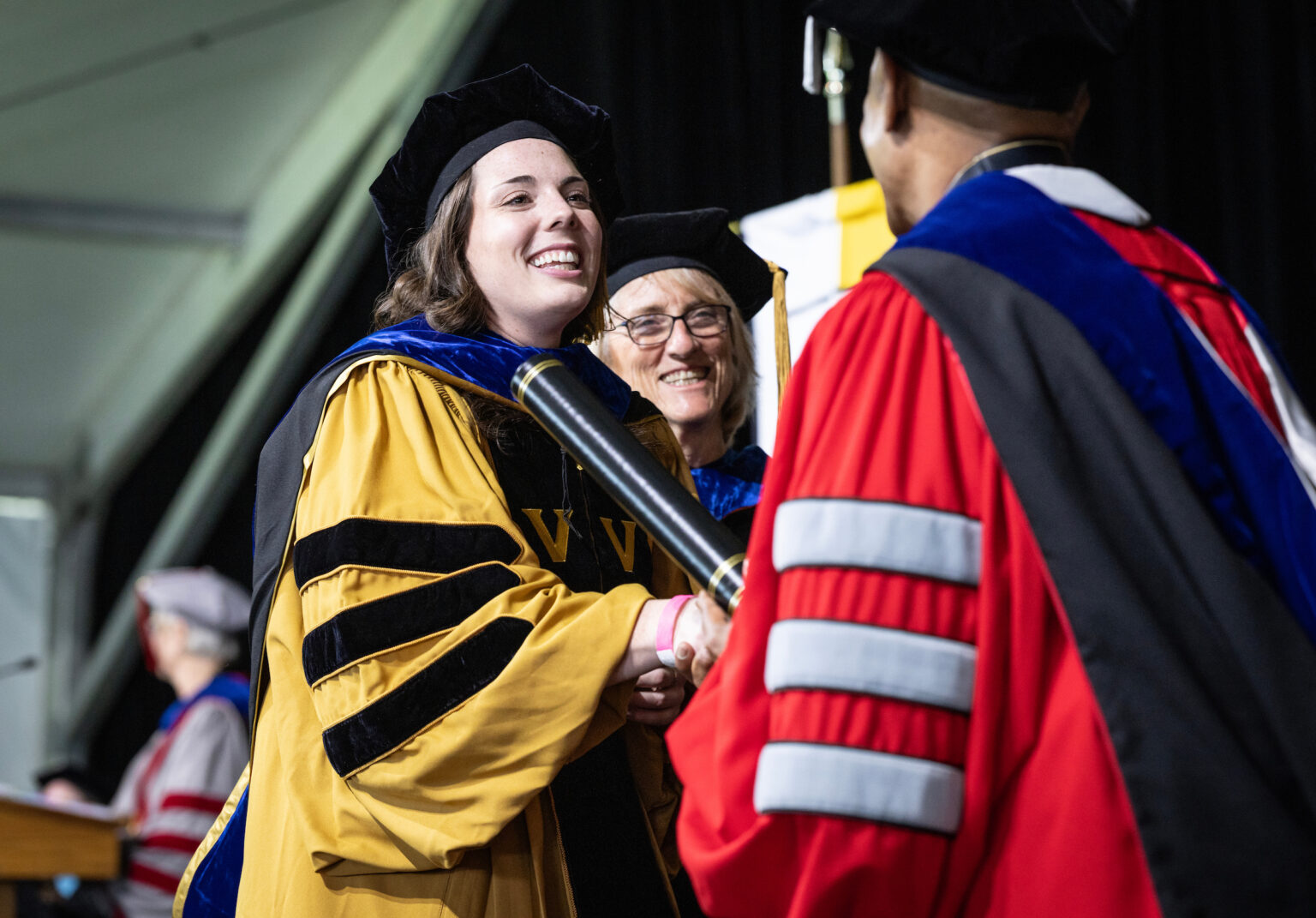
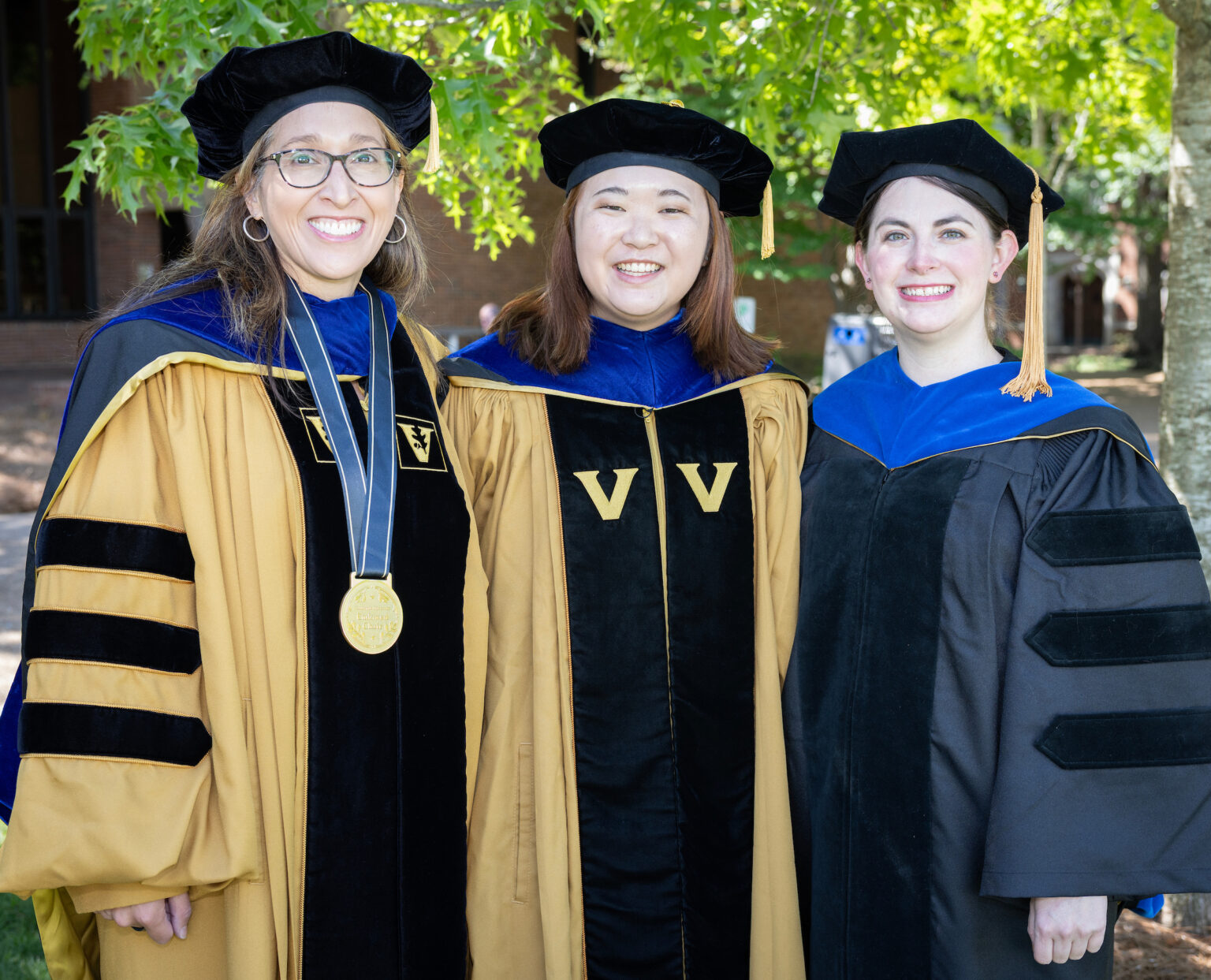

In his remarks at the Vanderbilt University Graduate School Commencement held May 8 on Alumni Lawn, Dean C. André Christie-Mizell, PhD, spoke about the tension between challenge and opportunity.
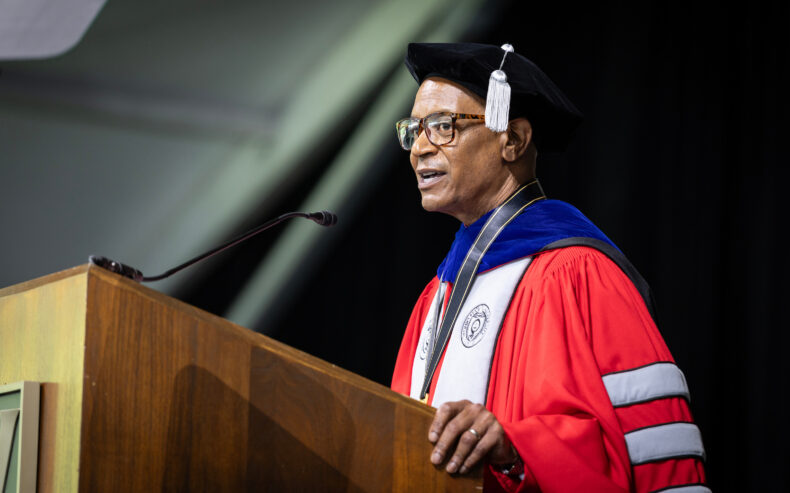
“We often talk about opportunity as something we find, something that is waiting for us fully formed. … But opportunity does not typically arrive that way. Instead, it is embedded within challenge, within uncertainty, within moments when the path forward is not always clear,” said Christie-Mizell, who is also Vice Provost for Graduate Education.
He challenged graduates to be “opportunity detectives” and stressed that their graduate education had prepared them to think deeply, ask difficult questions and embrace uncertainty.
“When the path is clear, walk it with purpose,” he said. “When the path is uncertain, stay curious. When the path changes, be willing to change with it and ask better questions.”
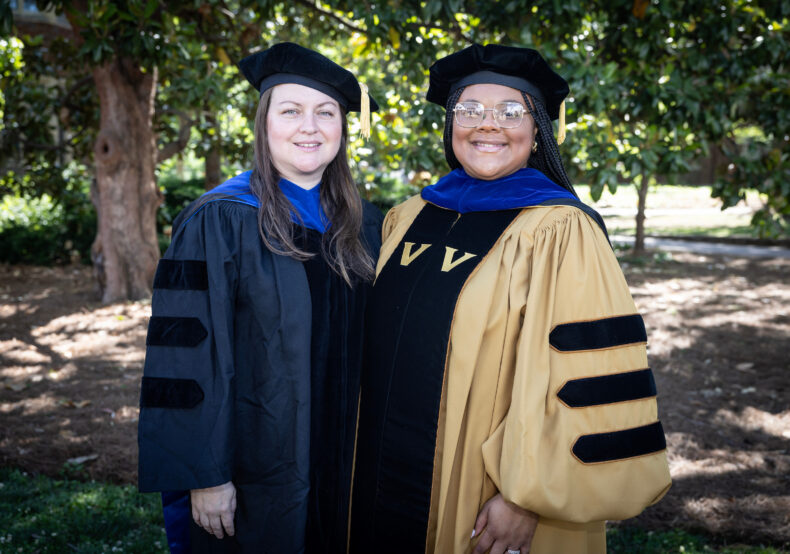
Jade Stanley-Jefferson, PhD, who earned her degree in Molecular Physiology and Biophysics, found opportunity in the Vanderbilt ASPIRE Program, which offers career development support to biomedical sciences PhD students and postdoctoral fellows. Stanley-Jefferson, who was interested in academic positions focused on undergraduate education, said ASPIRE workshops helped her learn about the different types of teaching positions and were “very instrumental” in helping her navigate the interview process and negotiations related to salary and research support.
She is now a tenure-track assistant professor in Biological and Environmental Sciences at Samford University, in Homewood, Alabama, close to family in her native Birmingham. In addition to teaching, she has a research lab where she works with undergraduate students to pursue questions related to her dissertation research about how pancreatic alpha cells contribute to diabetes progression.
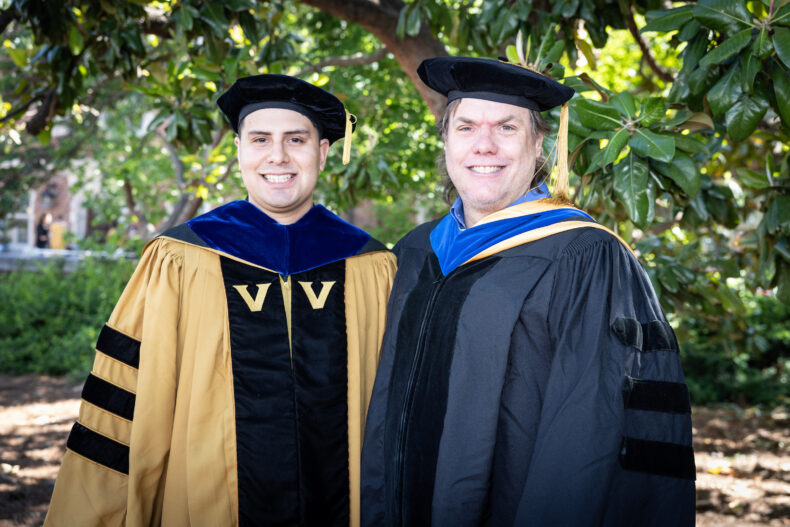
José Zepeda, PhD, who earned his degree in Pharmacology, said graduate school offered many opportunities beyond scientific training.
“When one signs up for grad school in a scientific discipline, we expect that we’re going to become better scientists and possibly independent investigators,” he said. “What I didn’t know — and ended up finding very valuable — is that getting a PhD trains you in so many different areas, such as organization … and communication.”
Zepeda served on a faculty search committee for the Department of Pharmacology, which he said gave him insight into strategies he might use in a future job search. He also did a three-month internship at Lilly with support from a National Science Foundation INTERN award.
“Drugs and how drugs function will always be important to the research that I do,” said Zepeda, who is interested in addiction neuroscience. “Through the internship, I was able to make amazing connections and learn how a large biopharmaceutical company operates, keeping in mind the possibility of building collaborations between academia and industry to better understand the brain and develop therapeutics for neurological disorders.”
Zepeda is currently a postdoctoral fellow at Howard Hughes Medical Institute’s Janelia Research Campus in Ashburn, Virginia.
During the 2025-2026 academic year, 105 students earned a PhD in biomedical sciences from Vanderbilt.
On average, each graduating student published two first-author papers based on their graduate work and six papers overall. Their research appeared in highly respected journals including Science, Nature, Cell, Proceedings of the National Academy of Sciences, Cell Host & Microbe, and Blood, according to Abigail Brown, PhD, director of Outcomes Research for Biomedical Research Education and Training at Vanderbilt.
Nearly every student (99%) gave poster presentations at national and/or international meetings, and 82% gave oral presentations (100% of students gave poster or oral presentations). Students were supported by external fellowships (40%) or National Institutes of Health training grant fellowships. A majority of the new PhD graduates (58%) are continuing their training with postdoctoral fellowships, including traditional positions in academic research laboratories as well as nontraditional industry and governmental fellowships. The rest have accepted or are seeking employment that does not require a prior postdoctoral fellowship.


