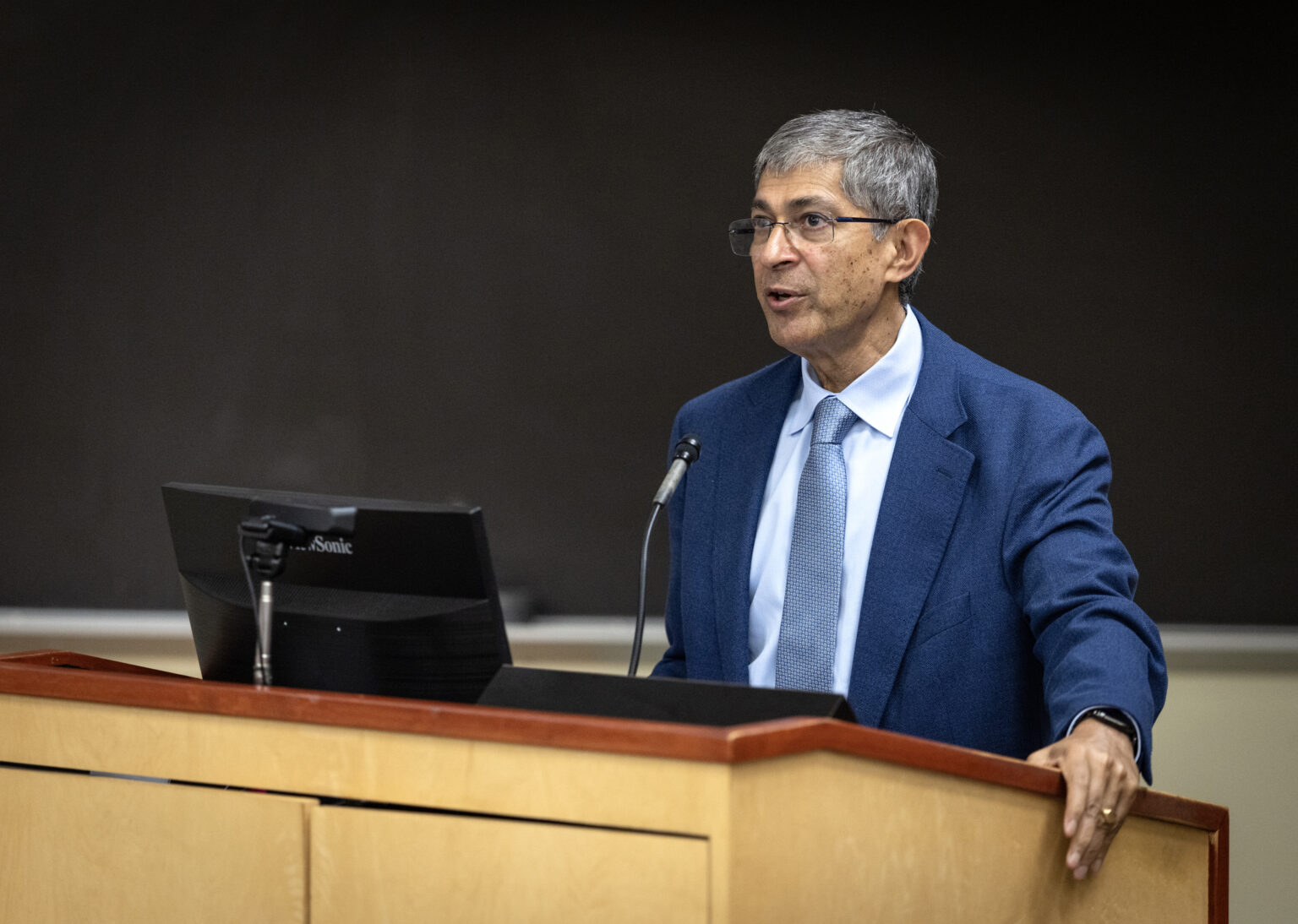

In his Sept. 4 message to incoming graduate students, John Kuriyan, PhD, Dean of the School of Medicine Basic Sciences, warned that artificial intelligence presents them with disturbing choices, as well as exhilarating opportunities.
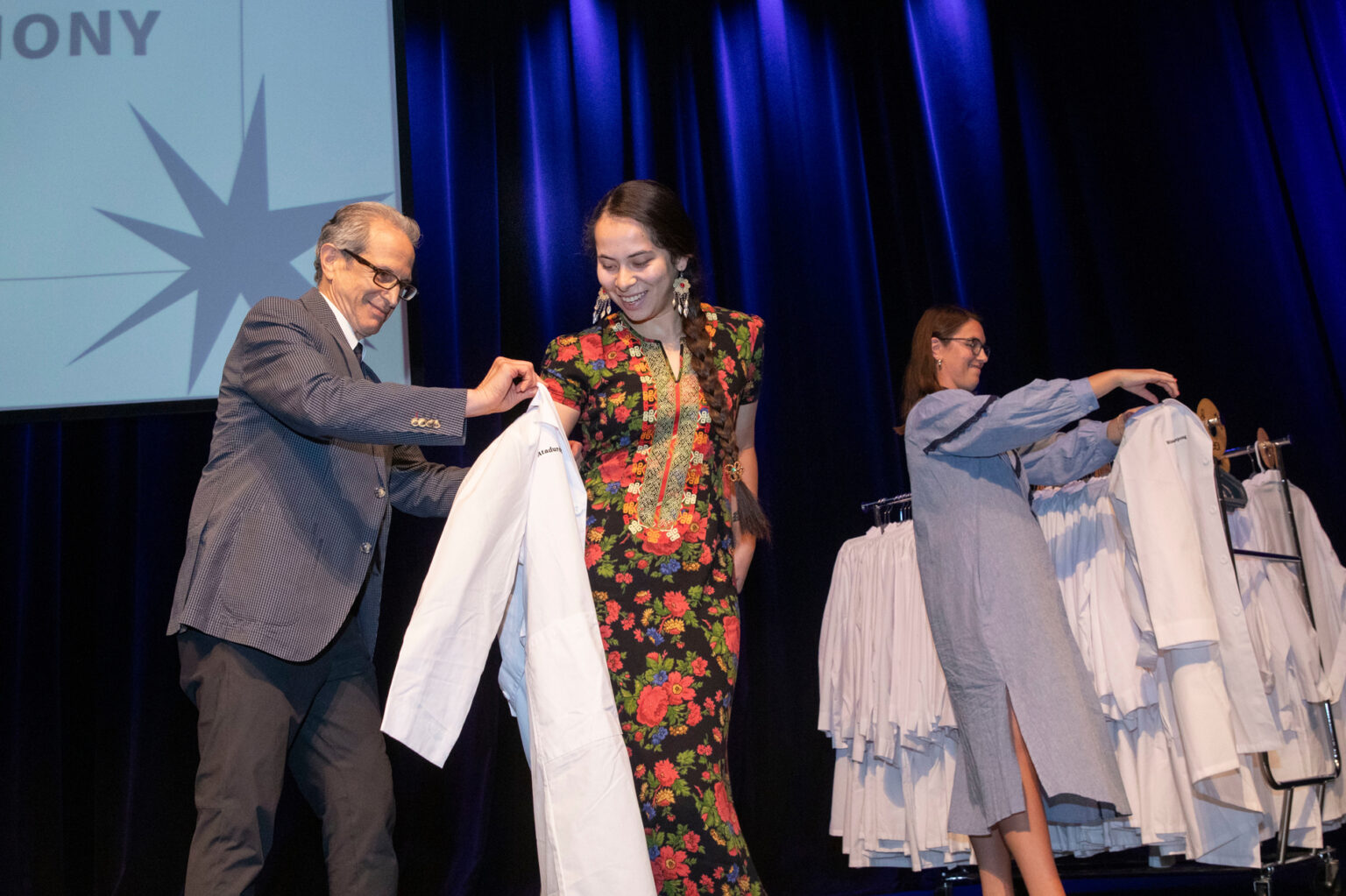
“You’re arriving at a remarkable moment in biomedical science,” Kuriyan told the 82 doctoral students in the biomedical and biological sciences who attended the annual “Simple Beginnings” Lab Coat Ceremony at Vanderbilt University School of Medicine with their families and friends.
With the rapid adoption of advanced AI systems called large language models, “we’re at risk of you choosing, wrongly, … to have a large language model write your thesis,” he said. “Large language models might design your experiments and tell you what the answer should be.
“If you relegate the power to large language models, you will lose a little bit of your humanity,” Kuriyan cautioned. “But if you use them properly, they are the most amazing and transformative things that have happened to us, to humanity.”
Hosted by the Vanderbilt University Office of Biomedical Research Education and Training (BRET), the ceremony’s name refers to “On the Origin of Species,” Charles Darwin’s seminal work that 167 years ago laid the foundation for evolutionary biology:
“From so simple a beginning, endless forms most beautiful and most wonderful have been, and are being, evolved.”
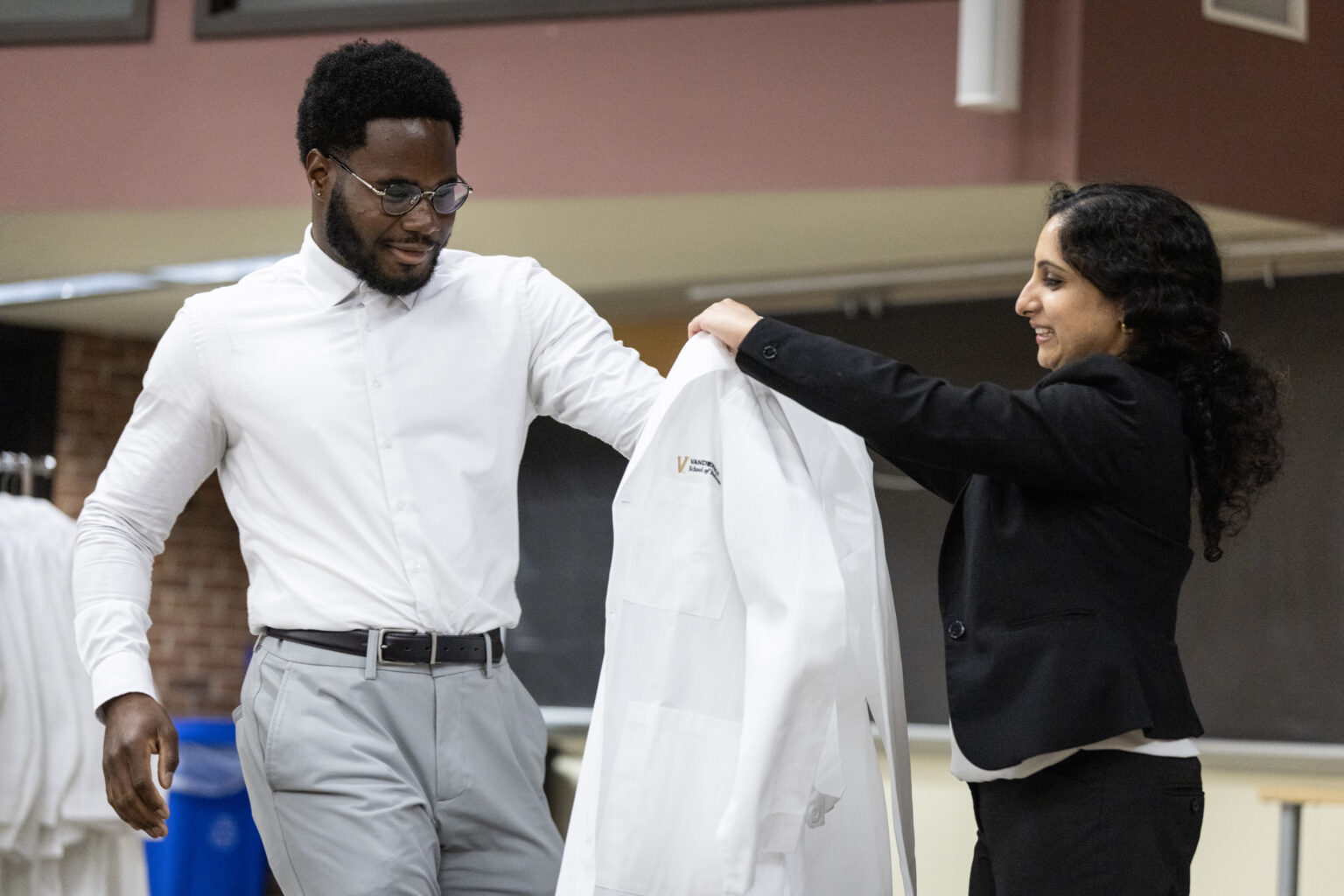
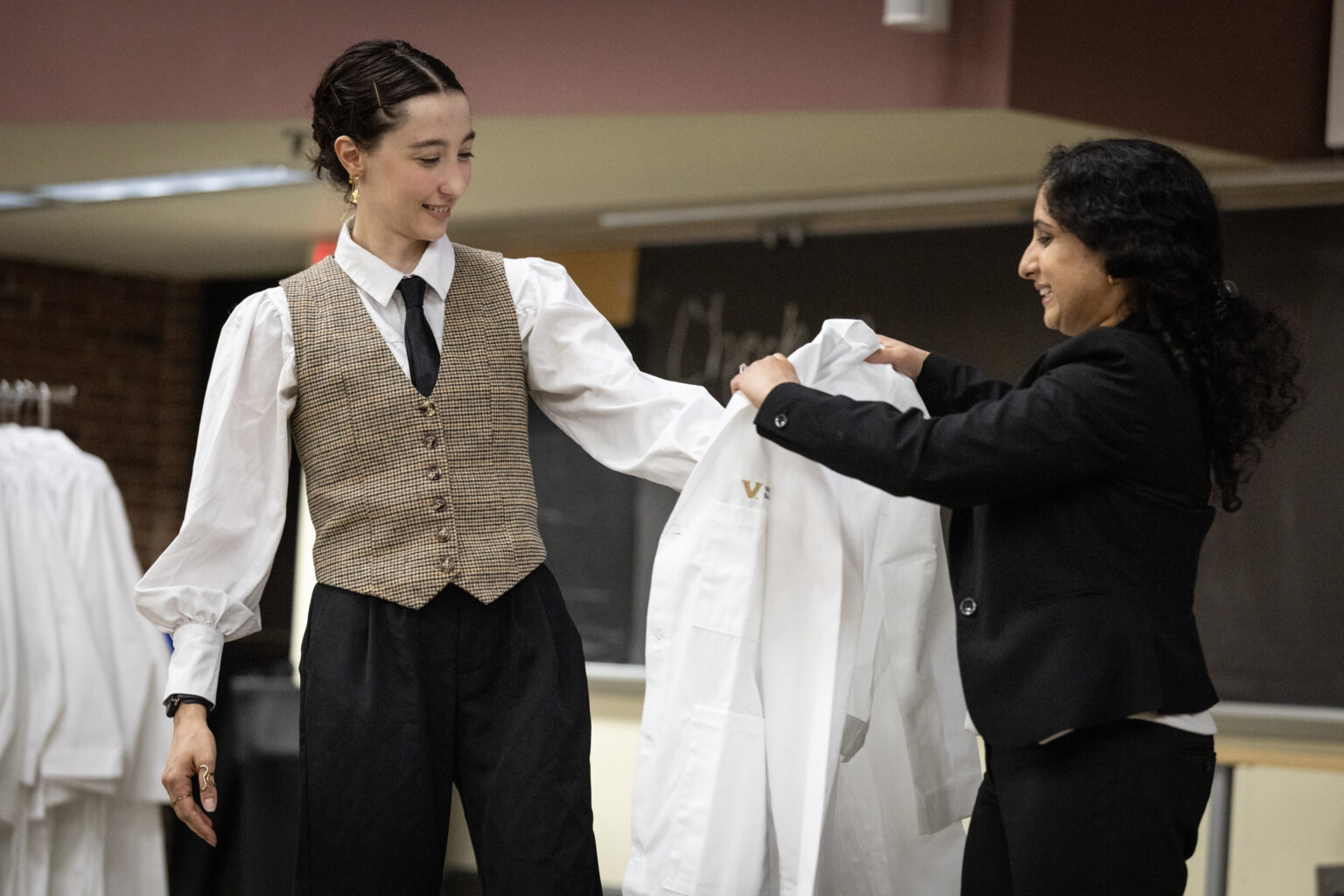
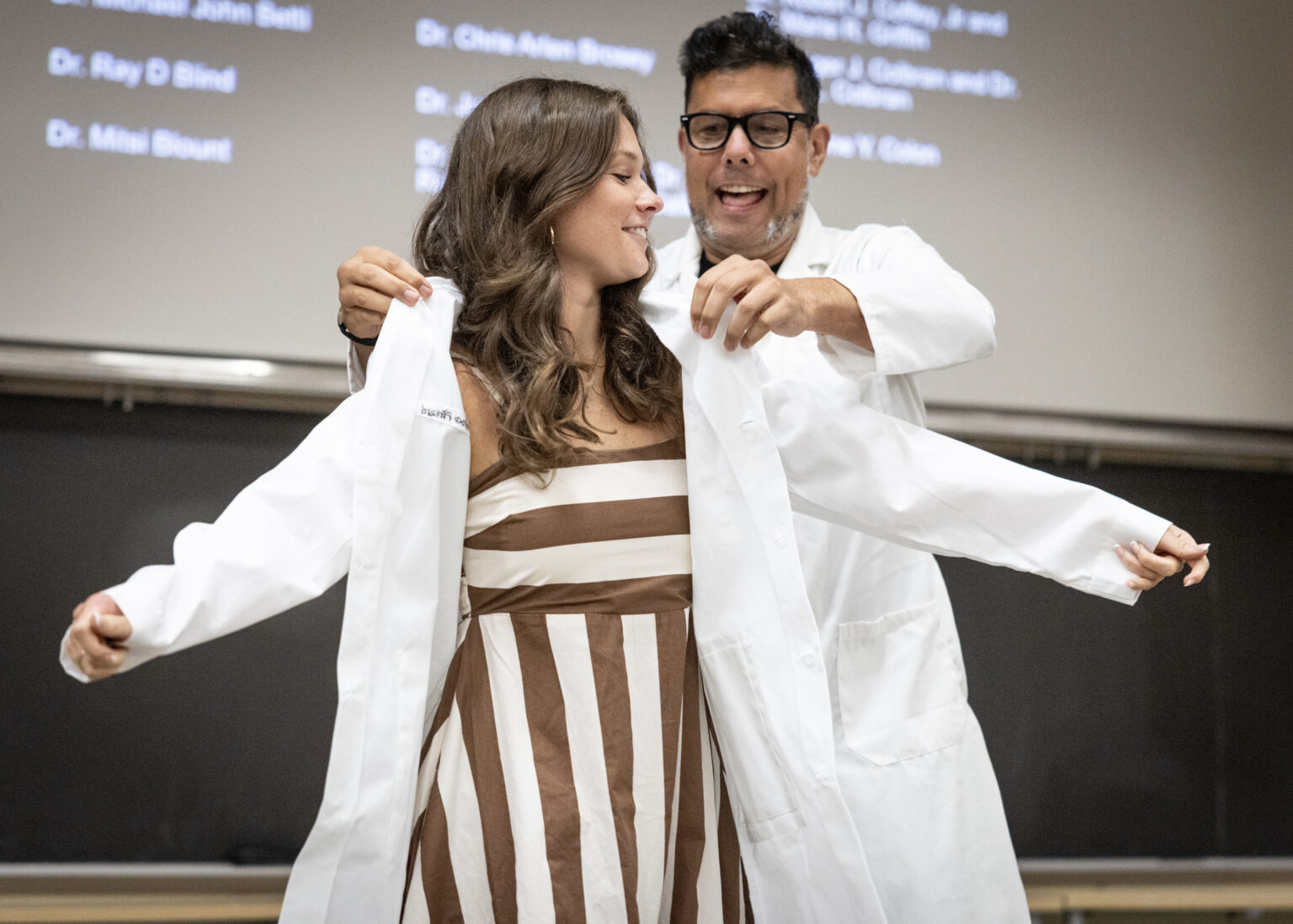
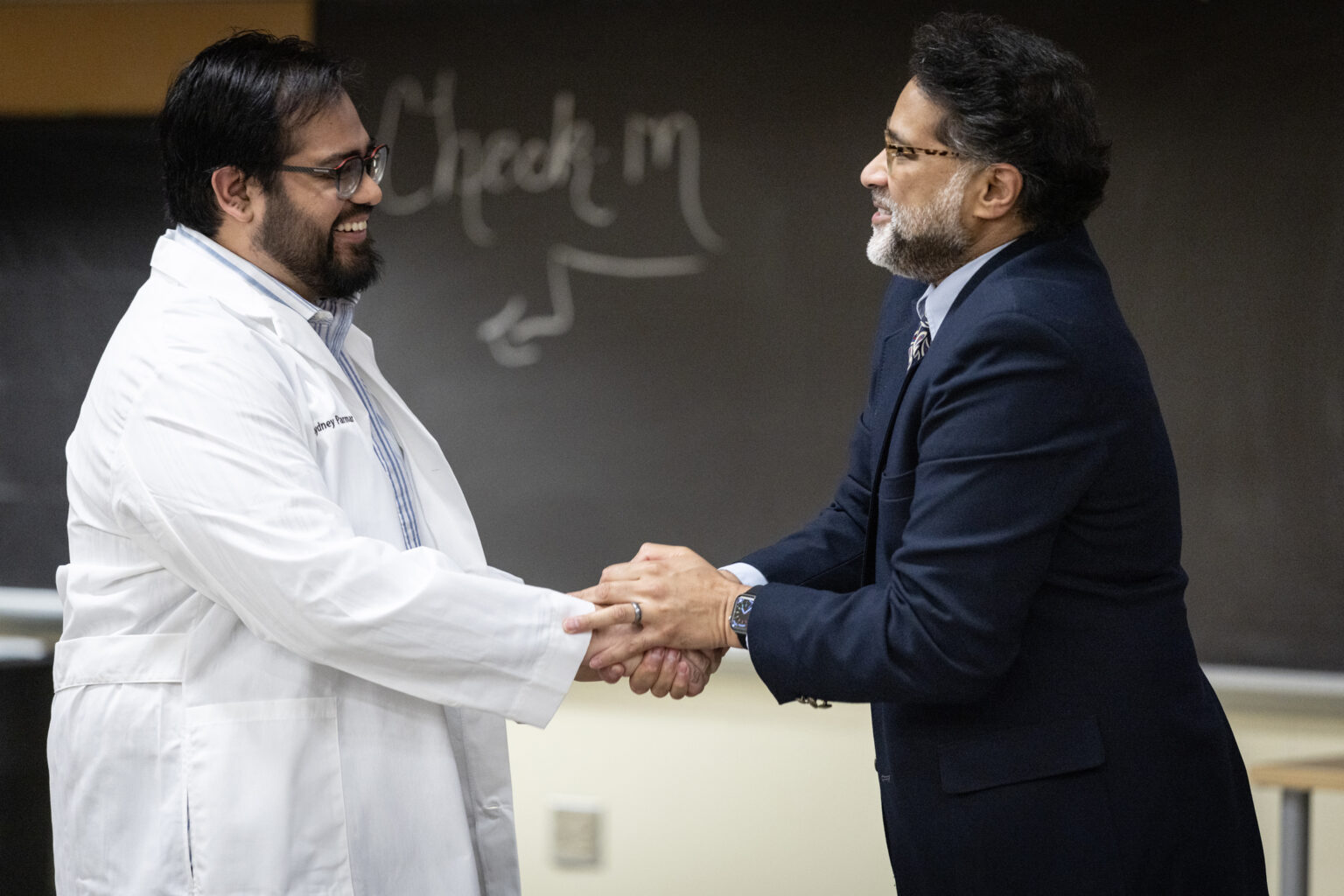
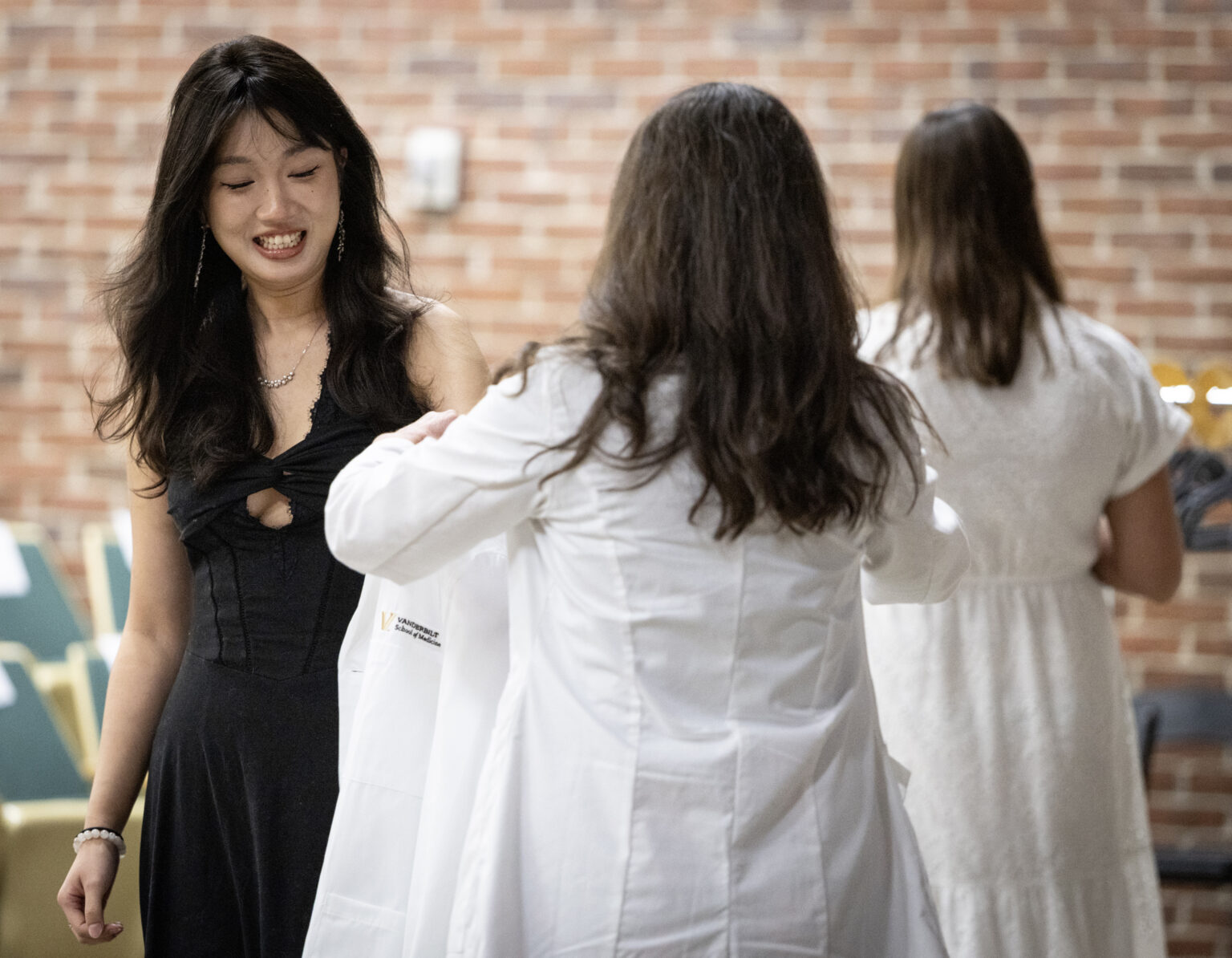
Walter Chazin, PhD, the Chancellor’s Professor of Medicine, Professor of Biochemistry and Chemistry, and Senior Associate Dean of Biomedical Research, Education and Training, introduced the students, while directors of their various PhD programs helped them into their personalized lab coats.
White lab coats symbolize academic rigor, scientific excellence and commitment to benefit society through research and discovery. They, and the ceremony, were made possible through the generous donations of medical school alumni, faculty members and other supporters.
During his remarks, Kuriyan, the Mary Geddes Stahlman Professor and University Distinguished Professor of Biochemistry, Chemistry and Cell & Developmental Biology, told the students they were “positioned to drive progress, and make changes in our approaches to human health that have not been possible before.”
But while curiosity is the “fuel” of discovery, Kuriyan urged the students to hold rigor as their “compass” — to adhere to the tried-and-true scientific method that includes critical thinking, peer review and validation.
“My hope is that you will leave Vanderbilt not just with publications and a diploma, … but with a reputation that others can trust,” he said. “In the age of AI, trust and reputation are going to be even more important than they ever were.”