



 Photo by Erin O. Smith
When 5-year-old Carrigan Cox began experiencing unexplained leg pain in March 2024, cancer was the furthest thing from her parents’ minds. The Smithville, Tennessee, kindergartner had always been healthy and active.
Doctors initially explored several possible explanations for her symptoms, including a hairline fracture from a playground fall. But an MRI revealed concerning abnormalities and led to an urgent referral to Monroe Carell Jr. Children’s Hospital at Vanderbilt, home to a nationally ranked pediatric hematology and oncology program.
Two days later, following a bone marrow biopsy, doctors diagnosed Carrigan with pre-B cell acute lymphoblastic leukemia, the most common childhood cancer.
“It was a shock for all of our family and especially for me and my husband, because that was not anywhere on our radar,” said her mother, Whitney Cox. “And so we were, of course, just praying that it was going to be something different.”
What followed was a treatment journey that would span 861 days, including 684 chemotherapy doses, eight blood transfusions, procedures, and countless clinic visits and hospital stays. Carrigan spent a lot of time at Monroe Carell.
During that time, Carrigan became one of the first patients to benefit from the newly expanded and renovated Pediatric Hematology/Oncology outpatient clinic and infusion space at Monroe Carell, designed to meet the unique needs of children, adolescents and families facing cancer.
The expansion comes at a critical time for Monroe Carell’s childhood cancer program, which has doubled in size over the past 15 years and now cares for more than 250 newly diagnosed patients and more than 14,000 outpatient visits each year.
The updated space was made possible through “A Campaign Against Childhood Cancer,” a philanthropic initiative supported by individuals, families and businesses throughout the community. Campaign support also advances research and training initiatives.
“We are deeply grateful for the extraordinary leadership, advocacy and commitment of our campaign co-chairs, Allison DeMarcus and Kailey Hand, whose efforts helped make this vision a reality,” said Juan C. Salazar, MD, MPH, Chair of the Department of Pediatrics, System Pediatrician-in-Chief and holder of the James C. Overall Chair in Pediatrics.
A New Space
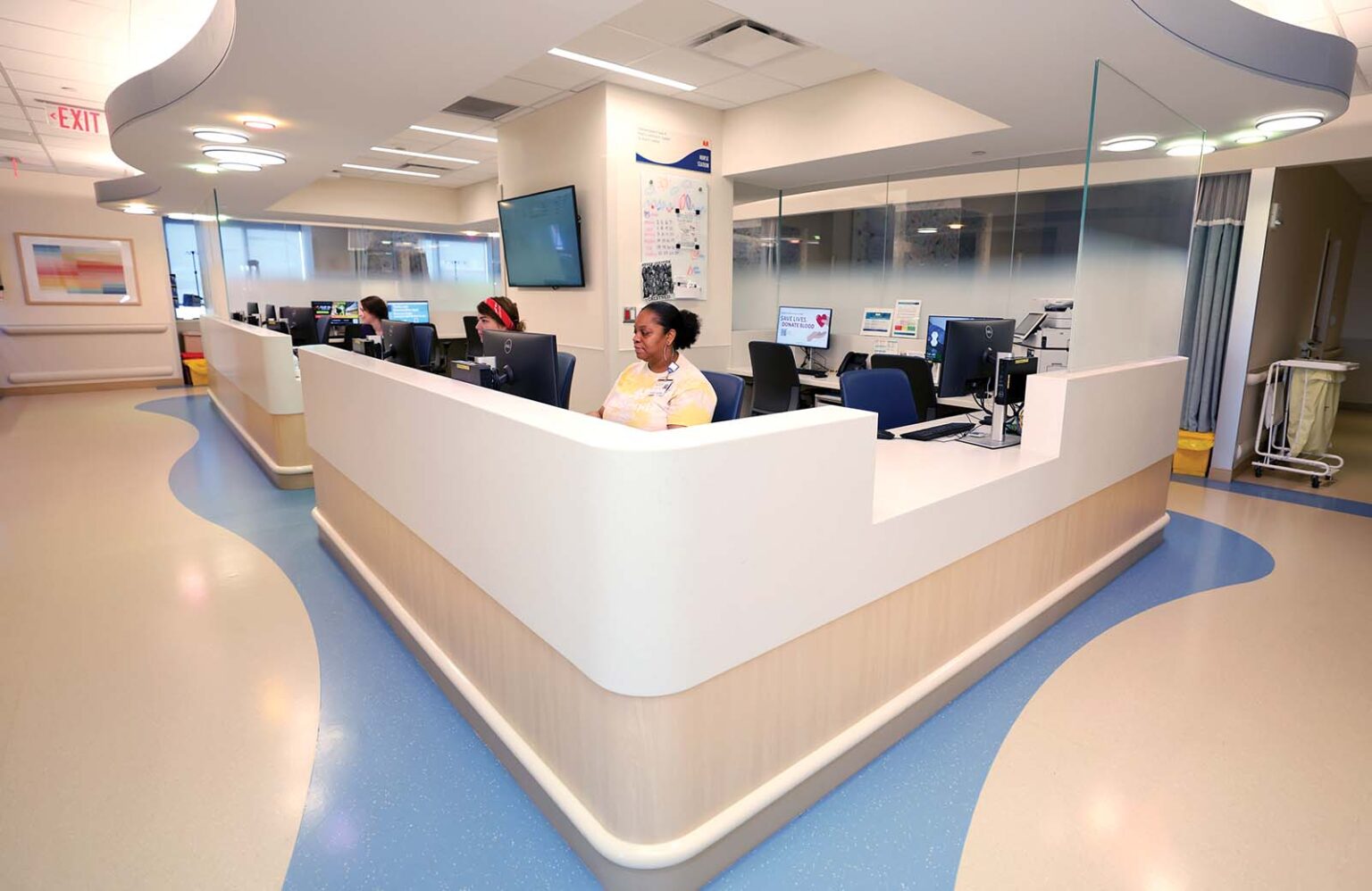
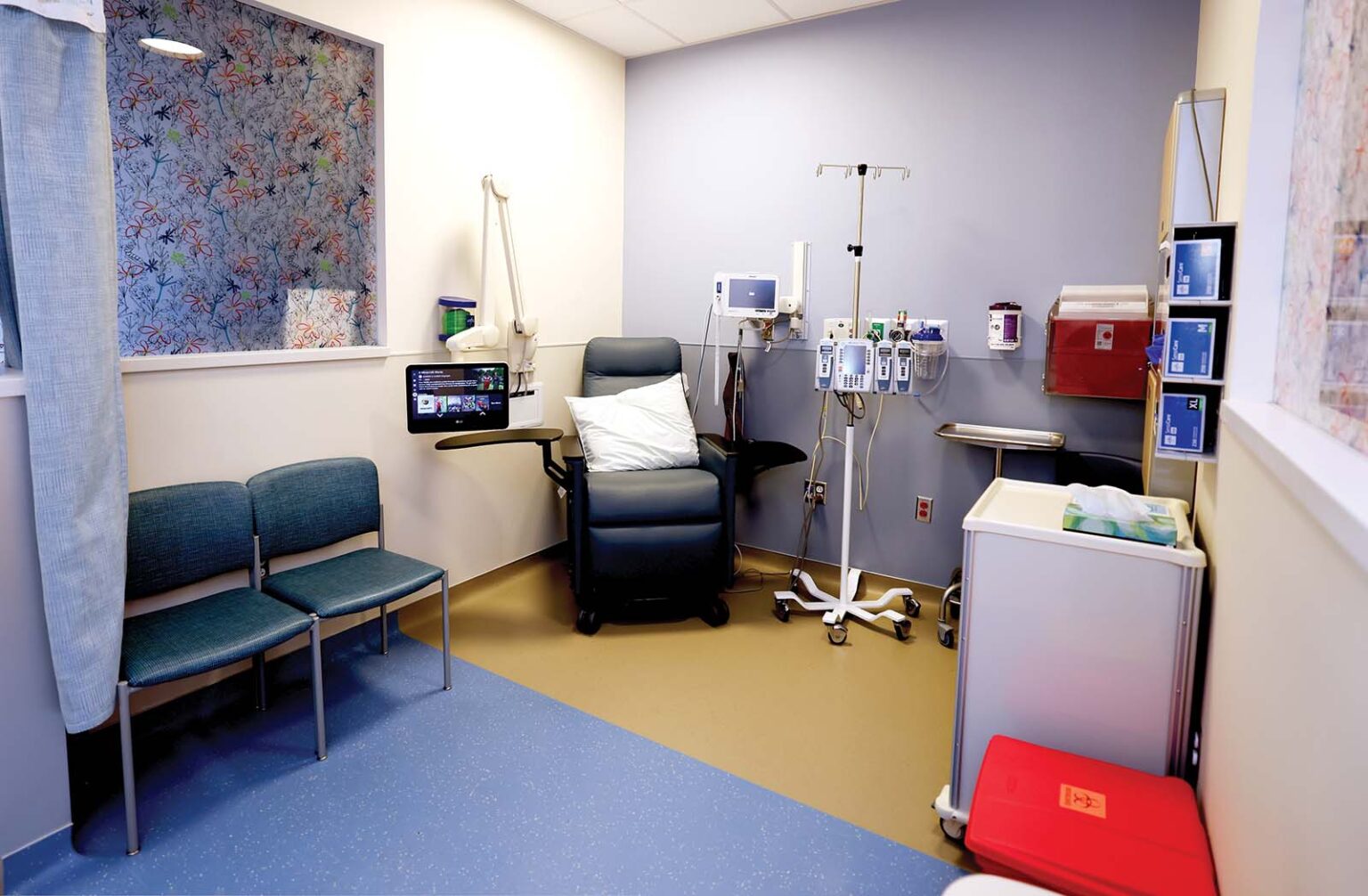
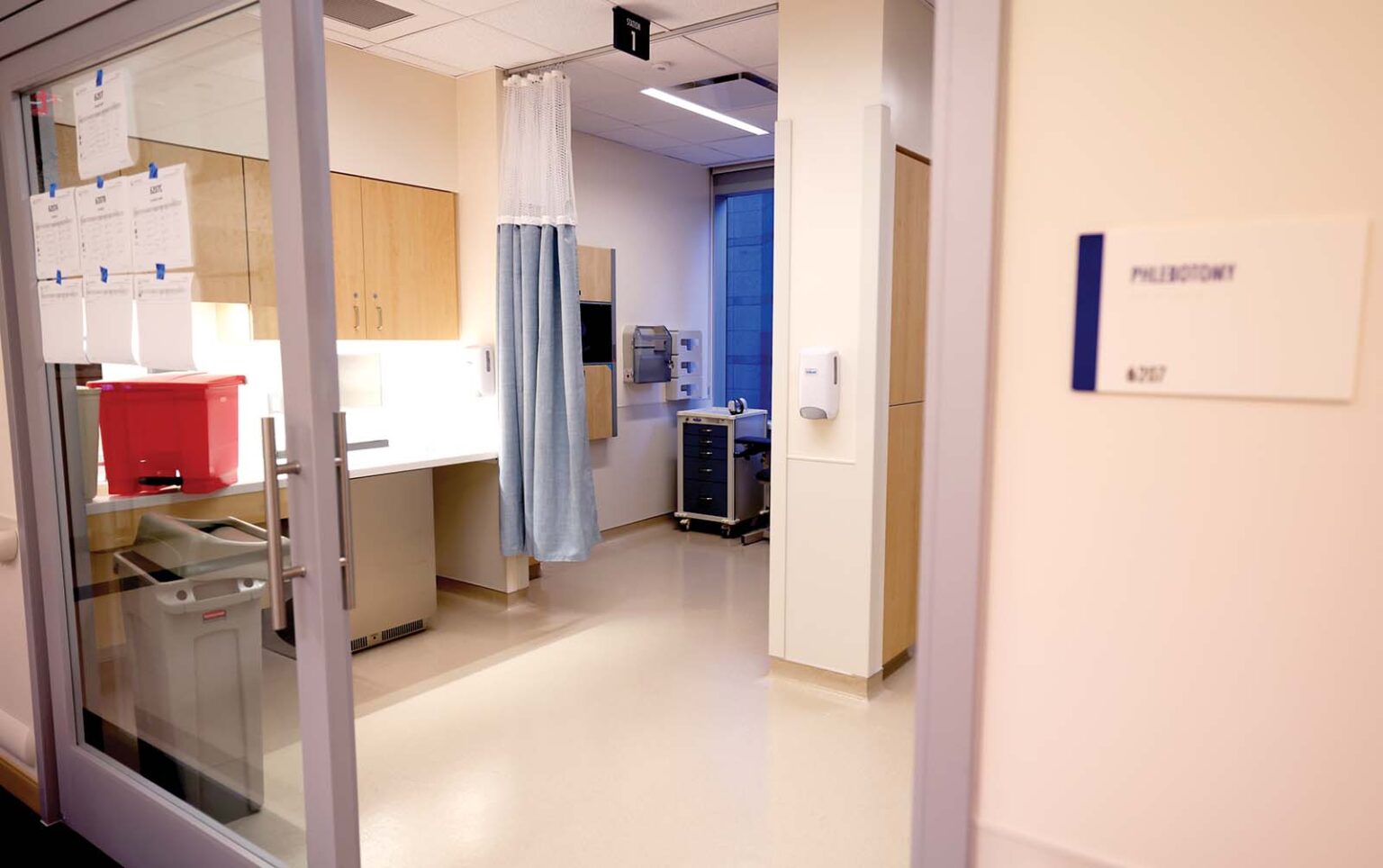
“This expansion was made possible by the remarkable generosity of our donors, families, businesses and community partners. Their investment will transform the experience of care for children and families facing cancer and blood disorders, while expanding our capacity to advance discovery, train the next generation of pediatric specialists, and bring innovative therapies to our patients,” Salazar continued. “Most importantly, it allows us to provide children and families with exceptional, compassionate care when they need it most, while further establishing Monroe Carell as a premier destination for pediatric hematology and oncology care.”
For Whitney Cox, the difference between the division’s former outpatient space and the new space is striking.
“I was blown away the first time we walked into the new space. Having your own area, being able to spread out, watch a movie, eat together as a family, and just have some privacy during a long day of treatment — it makes such a difference.”
Whitney Cox
Debra Friedman, MD, MS, Director of the Division of Pediatric Hematology/Oncology and Deputy Director of Vanderbilt-Ingram Cancer Center, has witnessed the incredible growth of the division in the past two decades that prompted the need for an expanded, updated space.
“When I came here in 2008, we saw about 90 new cancer patients each year and were caring for them in essentially the same space,” said Friedman, who holds the E. Bronson Ingram Chair in Pediatric Oncology. “The timing was right to expand to meet the needs of our growing community. We are so grateful to the individuals, families and businesses who made this possible. These children and families spend many hours, many days and sometimes many years with us. Having a space that is comfortable, welcoming and designed around their needs truly matters.”
Growing to Meet Demand
Ranked among the nation’s best childhood cancer programs by U.S. News & World Report, the Monroe Carell team partners with Vanderbilt-Ingram Cancer Center, the only National Cancer Institute-designated Comprehensive Cancer Center in Tennessee that treats pediatric and adult patients in one location.
Monroe Carell also offers Tennessee’s only childhood cancer program with all services under one roof. This includes all pediatric medical and surgical subspecialties as well as experts in social work, psychology, child life, nutrition, pharmacy and more.
Because families come from across the country for care, the Division of Pediatric Hematology/Oncology has experienced record patient volumes in recent years, underscoring the need for additional clinic and infusion capacity.
Upon hearing the need, the community rallied around “A Campaign Against Childhood Cancer” to make the expansion possible.
The late Joey Jacobs and his family were among those who donated to the Campaign, making a leadership gift to advance the project. Within the updated space, The Joey A. Jacobs Family Lobby is named in his honor.
Joey Jacobs was a beloved pillar of the community, a veteran in the health care industry, and a committed advocate for Monroe Carell — serving on the Advisory Board for 15 years. His wife, Debbie, and sons, Brent and Scott, have since joined the board to carry on his legacy, along with the involvement of Brent’s wife, Katie.
“Joey was a deeply caring person who led by example,” said Debbie Jacobs. “He wholeheartedly believed in the responsibility and value of giving back, and I know that he would be overjoyed to see the way the community came together to make this space possible for children with cancer. Our family is honored to be part of a warm and welcoming space for families in their time of need. It is very special to commemorate Joey and his life in this meaningful way.”
Previously, outpatient infusion treatments were delivered in a large, shared room in the clinic. Children of all ages, from toddlers to young adults, received treatment side by side in recliners. While families and staff made the best of the space, it had outgrown the needs of the program.
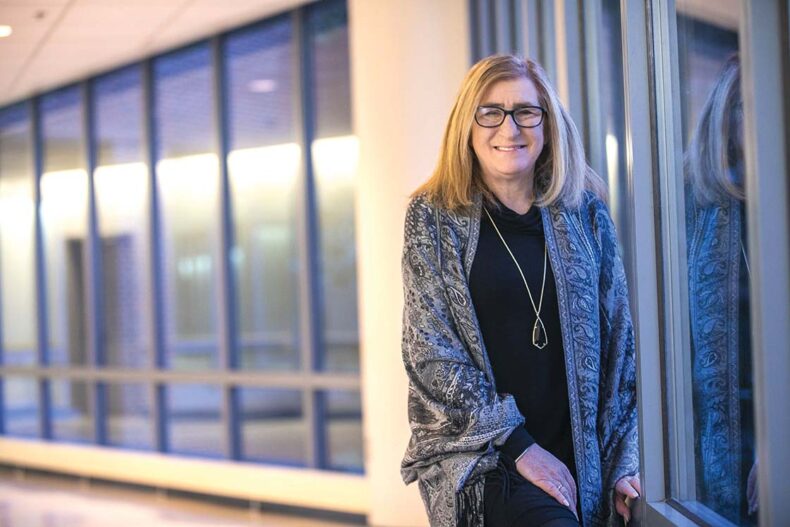
Occupying the entire sixth floor of the Doctors’ Office Tower, the renovated outpatient clinic was designed with feedback from patients and families. Its direct connection to the hospital inpatient unit also enables seamless coordination and continuity of care for the hematology and oncology team.
The newly expanded infusion center includes 25 individual infusion spaces, along with dedicated rooms for specialized procedures such as apheresis. The clinic portion includes 25 exam rooms, more than doubling previous capacity.
“Patients have individual infusion spaces and privacy when they want it, but they can still interact with other patients when they choose,” Friedman said. “It’s open, airy and welcoming. The artwork is beautiful; the colors are calming, and it creates a much more relaxing environment for children who are undergoing difficult treatments.”
Because many children develop friendships during treatment, some infusion rooms were designed with partitions that can be opened when patients want to interact with one another.
“We really listened to what families told us was important. That feedback directly influenced the design.”
Debra Friedman, MD, MS
The space also includes a dedicated lab, Child Life areas, a space for physical and occupational therapy, consultation rooms, expanded gathering spaces, and amenities intended to make long treatment days more manageable. Each infusion room is also outfitted with individual televisions for patients to pick family-friendly movies.
For families like the Coxes, those details matter.
During active treatment, clinic visits often lasted the entire day, with Carrigan’s infusions sometimes ending at 6 p.m. Maintenance treatments and occasional blood transfusions can require hours in the infusion center.
“In the old space, you were right beside other families all day,” Whitney Cox said. “There wasn’t much room, and everyone was trying to manage their own situation. Now we can spread out, have a meal together, watch a movie and just focus on Carrigan. It makes those long days so much easier.”
A Lift for Patients, Families and Staff
The new facility was designed not only to create a more comfortable environment but also to improve efficiency and patient flow.
Additional exam rooms help reduce wait times and allow more patients to be seen throughout the day. Larger rooms provide more space for families and care teams to have important conversations. The improved clinic layouts also help streamline appointments.
“The care our patients receive has always been exceptional,” Friedman said. “Now we have a space that matches the level of care being delivered.”
The expanded footprint also positions Monroe Carell for the future of pediatric cancer care and research. The program is leading the way in childhood and young adult cancer research through more than 60 active clinical trials and continued advances in precision oncology, including targeted therapies based on a tumor’s genetic profile, new treatments for leukemia and other bone marrow disorders, and vision-preserving approaches for retinoblastoma.
Researchers are improving outcomes for children with sarcoma and advancing studies in survivorship, quality of life and palliative care. As one of only a few programs in the Southeast offering this level of personalized care, Monroe Carell is pioneering the use of circulating tumor DNA to detect cancer earlier and guide treatment more precisely.
Many of these emerging therapies, including advanced immunotherapies and cellular therapies, are increasingly designed to be administered in outpatient settings. The additional clinic and infusion capacity create new opportunities to provide treatments outside the hospital when appropriate.
“As therapies continue to evolve, more care can often be delivered in the outpatient setting,” Friedman said. “Families want to spend as much time at home as possible, and having this space allows us to offer more options while maintaining the highest standards of safety and care.”
Beyond infusion and clinic services, renovation work has also modernized the 31 existing rooms on the 6A and 6B hematology and oncology inpatient units. Updates include brighter lighting, renovated cabinetry, improved sleeping accommodations for parents, and refreshed patient care areas.
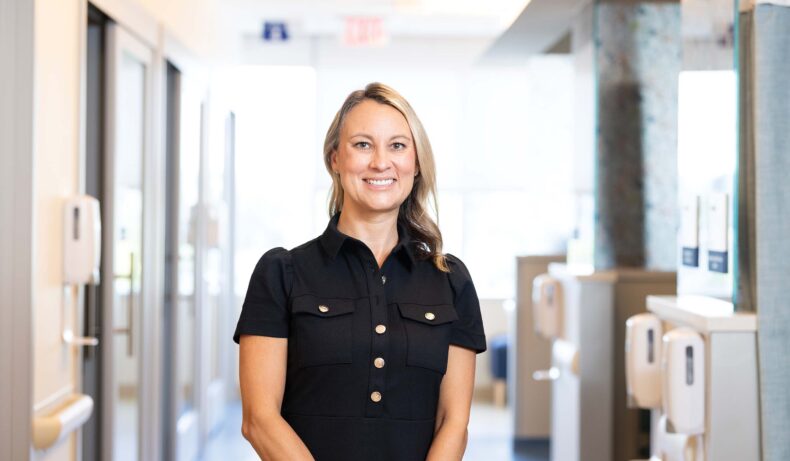
The benefits of the reimagined spaces extend beyond patients, said Ashley Frost, MSN, RN, CPN, Manager of Pediatric Hematology/Oncology and Outpatient Infusion.
For the physicians, nurses, advanced practice providers, care partners and support staff who spend their days caring for children with cancer, the expanded facility represents a significant morale boost and enhanced experience.
“The transition between different parts of the care experience is now much easier and more efficient, reducing stress and creating a well-coordinated journey for patients and families,” said Frost.
“For care teams, the updated space supports better collaboration, workflow efficiency and patient-centered care, allowing us to focus more fully on delivering an exceptional experience and high-quality outcomes. Together, these features create a more supportive, comforting and enjoyable experience for children and their families while receiving care.”
The Cox family has experienced the impacts firsthand.
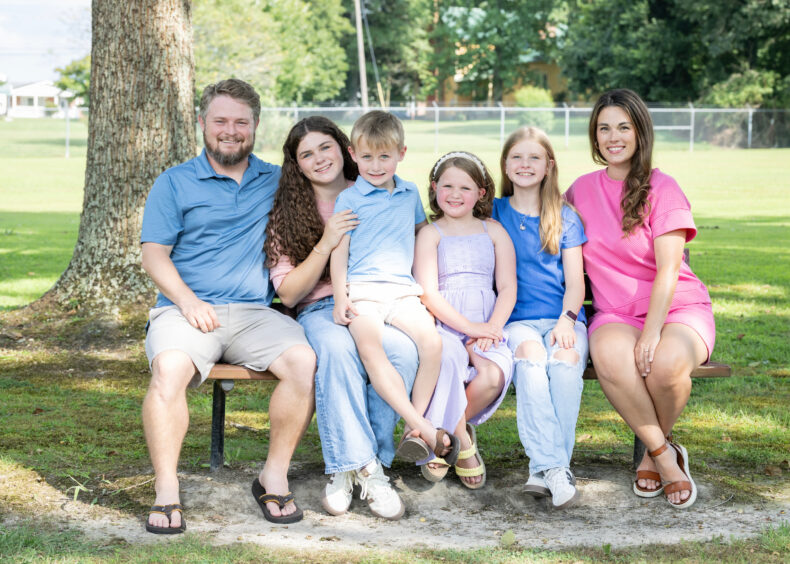
Today, Carrigan is starting second grade and focusing on being a typical 8-year-old. She loves swimming, cheering on the sidelines and spending time with her siblings. She has been in remission since August 2024, but she continued treatment on maintenance therapy protocols. Her hair has grown back, and she is doing well. She rang the clinic’s cancer bell Aug. 9 to signify the end of her treatments.
“We’re so grateful for Vanderbilt, for her care team and for all the donors who helped create this space,” Whitney Cox said. “Nobody wants to have a child going through cancer treatment, but if you’re going to spend so much time in a clinic, having a place that’s welcoming and comfortable means more than people realize.”