


Bill Snyder Archive — Page 100 of 121



-
October 21, 2014
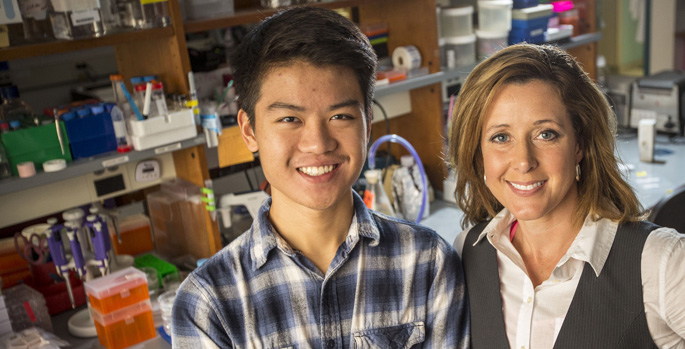
Vanderbilt’s Brown, Crowe elected to IOM
-
October 16, 2014
BHT grant to help Comprehensive Care Clinic’s medication program
The Vanderbilt Comprehensive Care Clinic has received a nearly $54,000 grant for 2014-2015 from the Baptist Healing Trust (BHT) for its Pharmacy Support Program, which provides free or low-cost medications to people with HIV/AIDS. -
October 16, 2014
Lymphocyte study reveals obesity clues
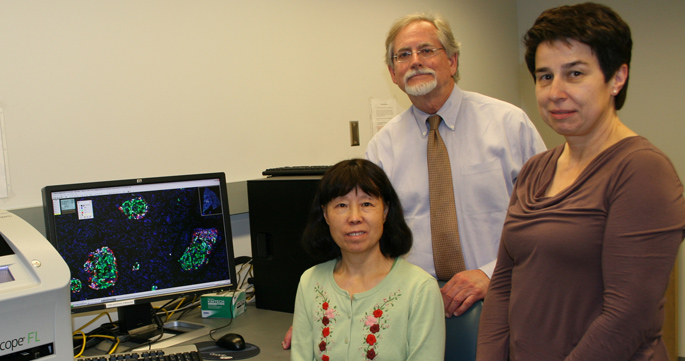
Vanderbilt University researchers are closer to understanding the link between obesity, chronic inflammation and type 2 diabetes. -
October 9, 2014
Neuert receives New Innovator Award from NIH
Vanderbilt University biophysicist Gregor Neuert, Ph.D., M.Eng., is among 50 recipients of the 2014 National Institutes of Health (NIH) Director’s New Innovator Award. Each award provides up to $1.5 million in direct research support over five years. -
October 9, 2014
Longaker set for Discovery Lecture
Michael Longaker, M.D., well known for his contributions to tissue repair and engineering and stem cell biology at Stanford University School of Medicine, will deliver the next Flexner Discovery Lecture on Thursday, Oct. 16. -
October 2, 2014
Team spots key regulator for cholesterol production
A Vanderbilt University-led research team has discovered a “master regulator” for cholesterol production and transport in the liver — a tiny piece of RNA called microRNA-223.