Scientific Reports Archive — Page 2 of 2

Medical illustration of the upper human torso showing the esophagus and stomach highlighted in red.
March 16, 2017

Esophageal cancer complexities

New findings that reveal complex interactions in esophageal adenocarcinoma could lead to diagnostic, prognostic or therapeutic biomarkers.

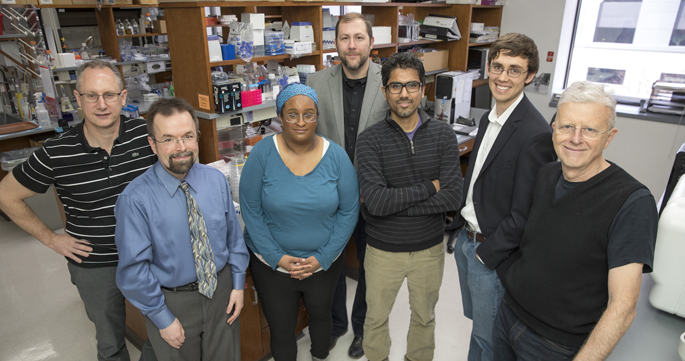
Seven researchers pose together in a laboratory, with shelves of scientific equipment and supplies behind them.
March 9, 2017

Melanoma study finds new way to enhance targeted therapies

With the help of a drug formerly used to treat HIV/AIDS, researchers at Vanderbilt University Medical Center (VUMC) have found a way to make melanoma cells more vulnerable to targeted anti-cancer therapy.

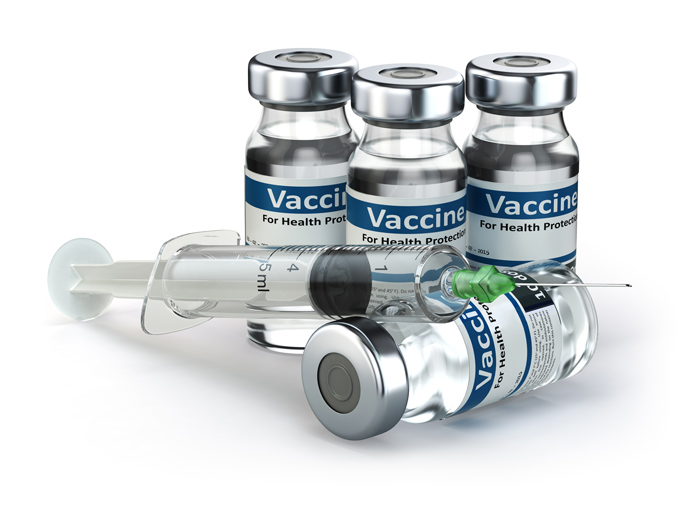
Several vaccine vials labeled “Vaccine For Health Protection” arranged with a syringe on a white background.
January 20, 2017

Improving vaccine formulations

The compound MPLA is an attractive vaccine component, designed to elicit a robust immune response.

Close-up of a mosquito with a black-and-white patterned body feeding on skin against a green background.
December 1, 2016

Investigators explore new way to control mosquitoes

In a new study, Vanderbilt pharmacologist Jerod Denton, Ph.D., Ohio State entomologist Peter Piermarini, Ph.D., and colleagues report an experimental molecule that inhibits kidney function in mosquitoes and thus might provide a new way to control the deadliest animal on Earth.

brain and lightning
November 10, 2016

Protein structure and epilepsy severity

Understanding how mutations affect the structure and function of inhibitory neurotransmitter receptors will shed light on the mechanisms underlying some types of epilepsy.

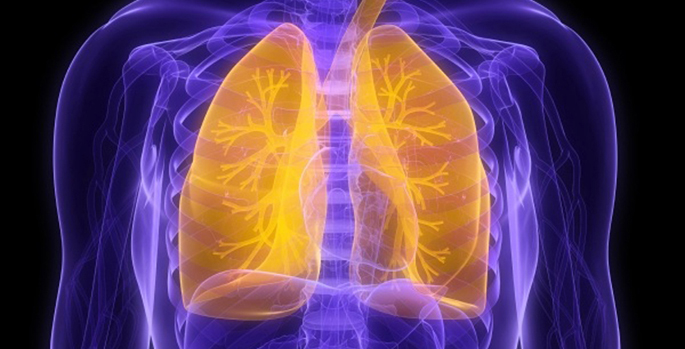
Stylized front-view anatomical illustration of the human torso showing the lungs and branching airways highlighted in yellow and orange within a translucent purple chest.
June 6, 2016

Pulmonary fibrosis culprits

New findings identify isoketal-modified proteins as a previously unrecognized feature of pulmonary fibrosis and as a potential therapeutic target for this disease.