


Cancer Archive — Page 1 of 70



-
September 14, 2026
Surgeons now using ‘pretzels’ to spare bladder for noninvasive bladder cancer patients
The devices contain new chemotherapies that are released over time that only impact the bladder lining without impacting the whole body. -
September 9, 2026
Melinda Aldrich to receive 2026 Ethos Award from UC Santa Cruz
The awards celebrate individuals whose vision, leadership and dedication have made a meaningful impact in their professions, in society, within the university community, and across the globe. -
September 2, 2026
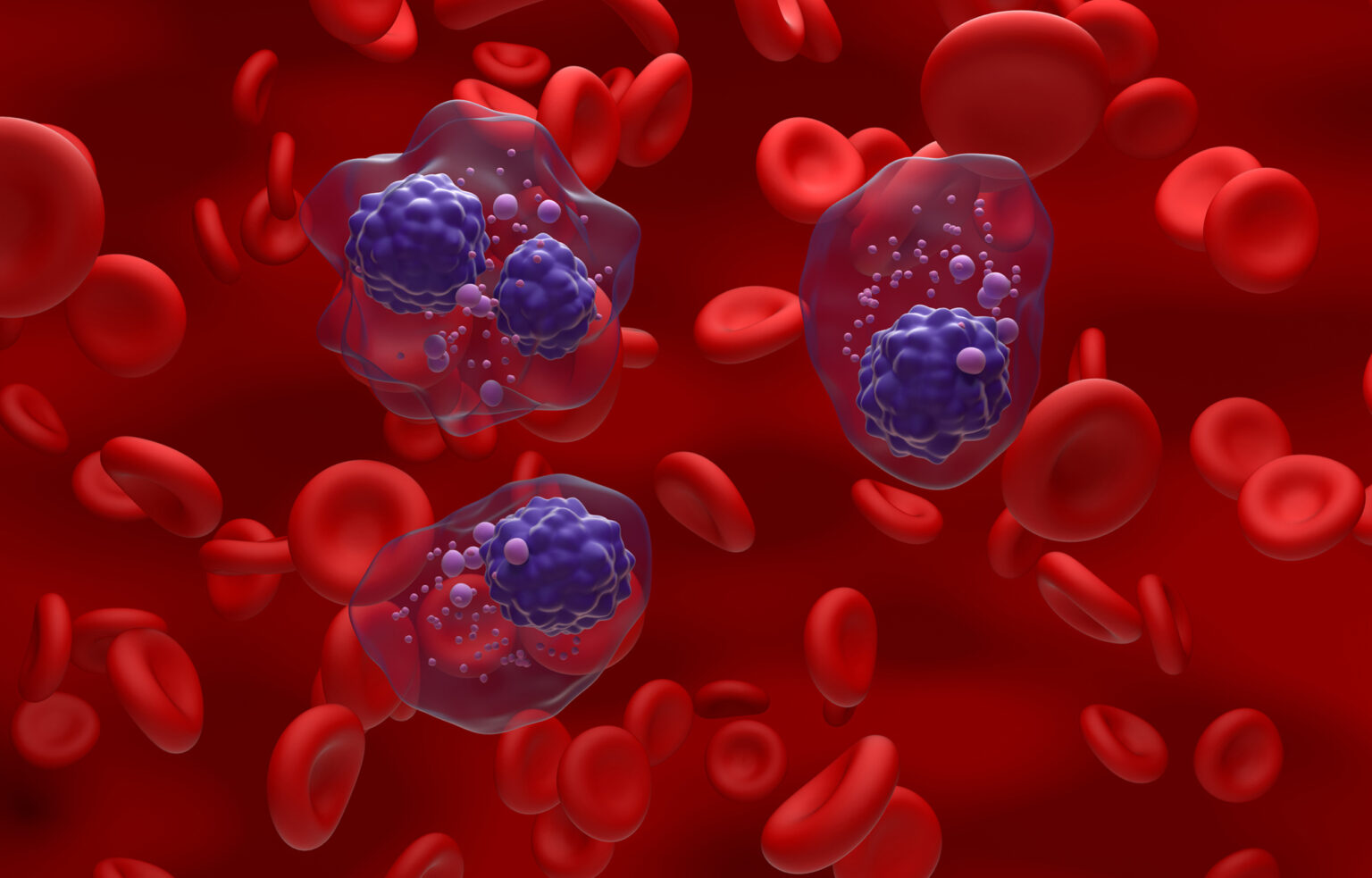
Decoding the ancestry gap in diagnosing and treating acute myeloid leukemia
The disease is driven by complex combinations of multiple genetic mutations rather than a single defect. -
September 2, 2026
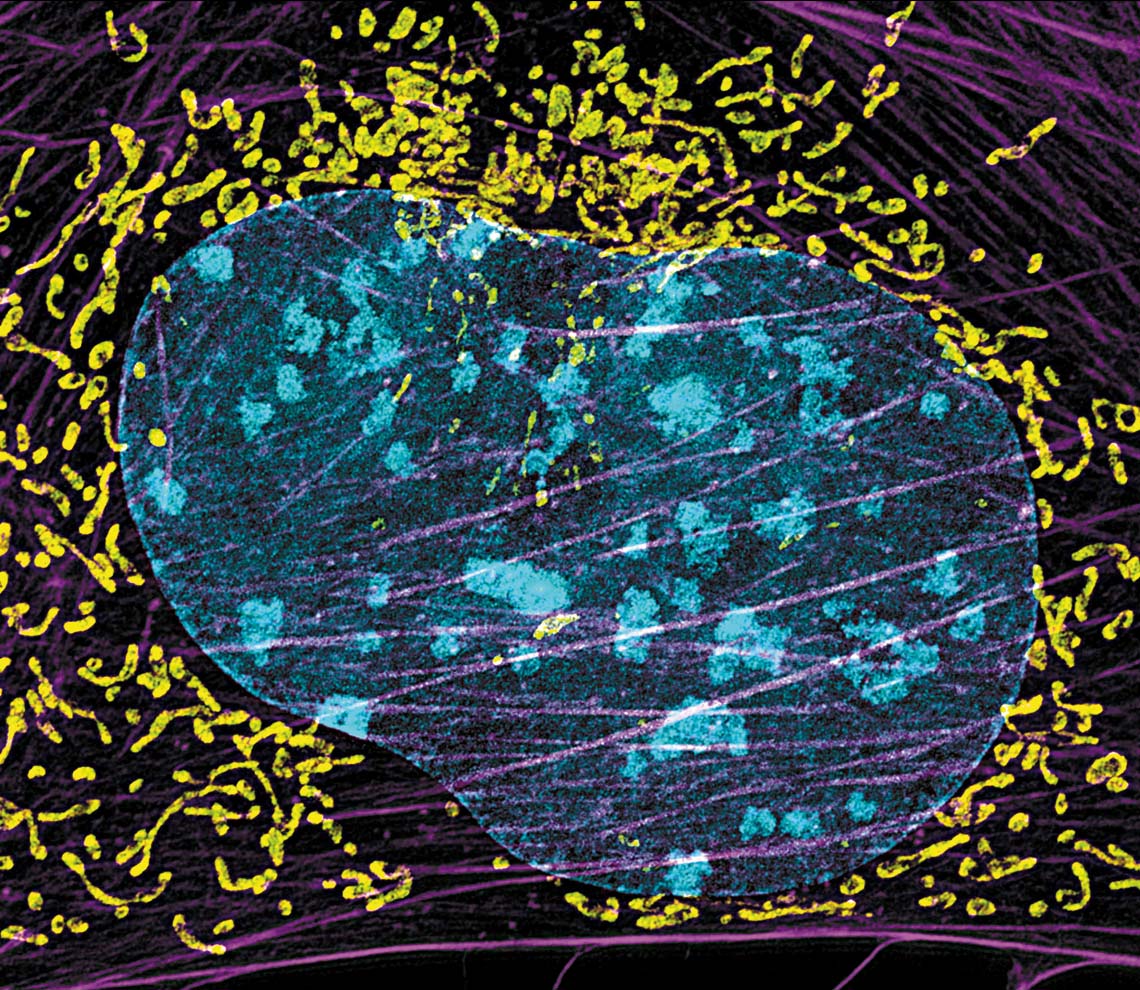
‘Balancing act’ helps keep colorectal cancer in check
Vanderbilt Health study offers potentially new avenues to explore in the treatment of colorectal cancer. -
August 26, 2026
Vanderbilt Health receives $3.4 million grant to advance breast cancer imaging
MR cytometry is a magnetic resonance imaging technology pioneered by Vanderbilt Health investigators that provides information about tumor microstructure which cannot be obtained from conventional MRI. -
August 14, 2026
Discover what’s next in cancer at Aug. 22 symposium
The symposium is free and open to people affected by neurofibromatosis and schwannomatosis, as well as their families, loved ones and caregivers. -
August 6, 2026
Born to run and be there for his family, Jason Colee underwent a high-stakes spinal surgery so he could do both
The procedure was necessary to remove a rare tumorous mass that was nestled inside his spinal cord.