


Infectious Diseases Archive — Page 11 of 13


-
March 15, 2018
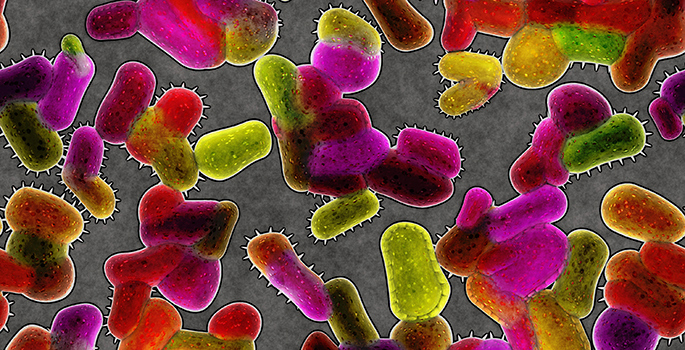
New imaging approach offers unprecedented views of staph infection
A new integrated imaging approach makes it possible to probe the molecules involved in invasive infections and can be broadly applied to any health or disease state. -
February 23, 2018
Hope for an RSV vaccine
Newly discovered features in an RSV protein may be useful for rational structure-based vaccine design. -
February 12, 2018
Opioid use increases risk of serious infections
Opioid users have a significantly increased risk of infections severe enough to require treatment at the hospital, such as pneumonia and meningitis, as compared to people who don’t use opioids. -
January 5, 2018
What you need to know about this year’s flu
Discover what strains are prominent, how effective this year’s vaccine is, and how hard the virus has hit Tennessee so far. -
November 21, 2017
Post-flu risks a growing concern for the elderly
Infectious disease experts are warning that flu can lead to an increased risk of heart attack, stroke and disability in elderly patients for months after they have recovered from their illness. -
November 9, 2017
Amoxicillin alone better choice for pediatric pneumonia: study
A combination of two antibiotics is often prescribed to treat community-acquired pneumonia in children, but a JAMA Pediatrics study is now showing that using just one of the two has the same benefit to patients in most cases. -
October 26, 2017
Edwards, Schaffner honored by major infectious diseases organizations
Two highly regarded Vanderbilt University Medical Center (VUMC) infectious disease clinicians were recognized with service awards from prominent organizations during IDWeek in San Diego, California, Oct. 4-8.