


Borden Lacy Archive — Page 1 of 1


-
November 20, 2017
15 faculty members elected as AAAS fellows
Fifteen Vanderbilt faculty members conducting a range of biomedical and clinical research have been elected fellows of the American Association for the Advancement of Science. Six of the 15 have received funding through the university’s Trans-Institutional Programs initiative, which facilitates research and teaching collaborations across disciplines and are a core pillar of the university’s Academic Strategic Plan. -
January 14, 2016
Crystal structure reveals secrets of virulent bacterium
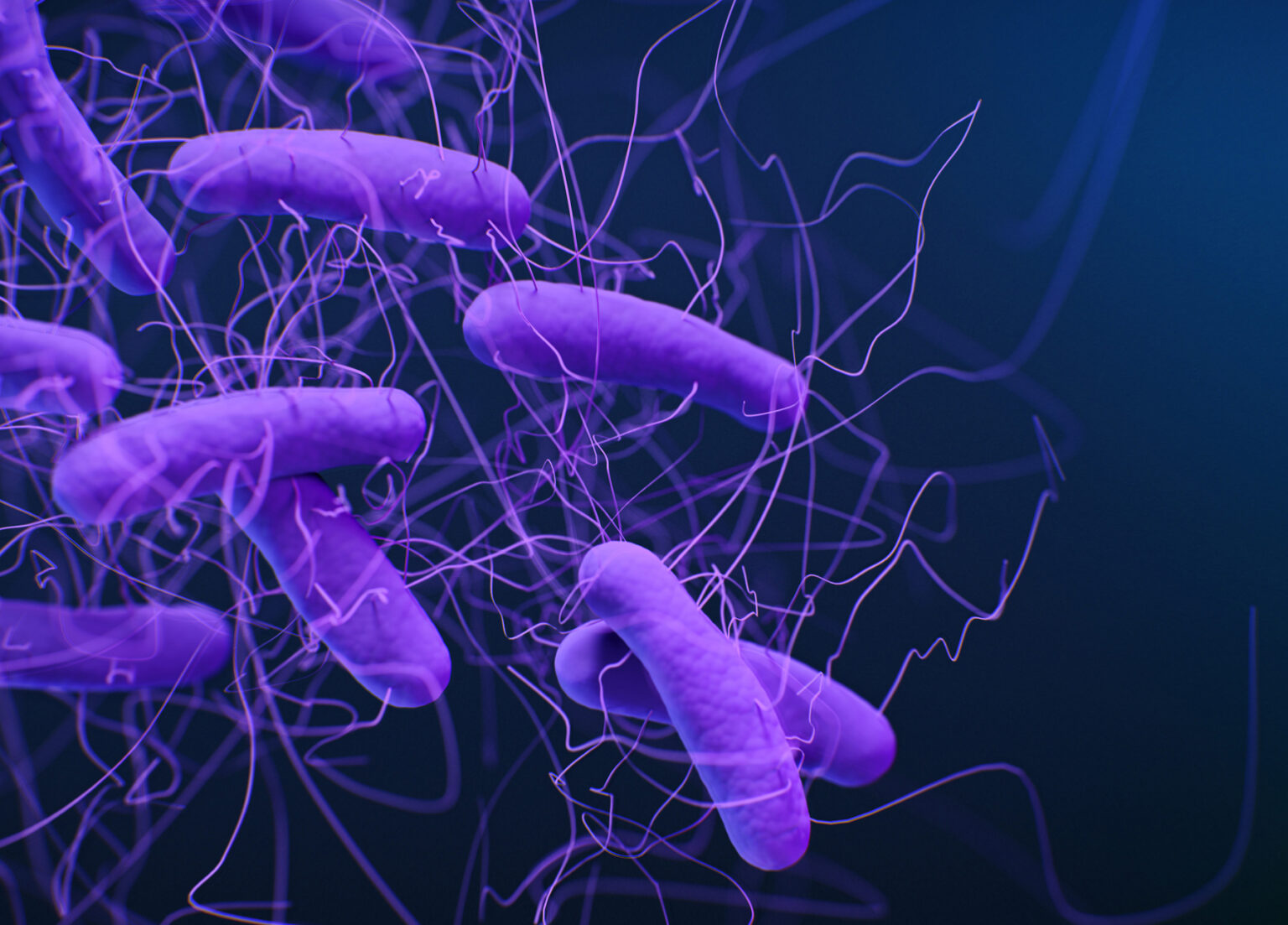
Researchers at Vanderbilt University Medical Center have obtained the crystal structure of a toxin from the bacterium Clostridium difficile (“C. diff”) — the leading cause of hospital-acquired diarrhea in the United States. -
June 4, 2015
Study identifies C. diff toxin receptor, suggests new treatment approaches
Vanderbilt University investigators have identified a cellular receptor for a toxin from Clostridium difficile (“C. diff”) — the leading cause of hospital-acquired diarrhea in the United States. -
May 1, 2014
Cutting-edge research to be showcased in May
-
November 8, 2013
Defusing ‘C. diff’ infection
-
September 19, 2013
Lacy’s crystallographic research achievements recognized
D. Borden Lacy, Ph.D., associate professor of Pathology, Microbiology and Immunology, and Biochemistry, will receive the 2014 Margaret Etter Award from the American Crystallographic Association (ACA) for outstanding achievement and exceptional potential in crystallographic research demonstrated by a scientist at an early stage of their independent career.