


Clostridioides difficile (C. diff) Archive — Page 1 of 2



-
March 25, 2025
C. diff uses toxic compound to fuel growth advantage
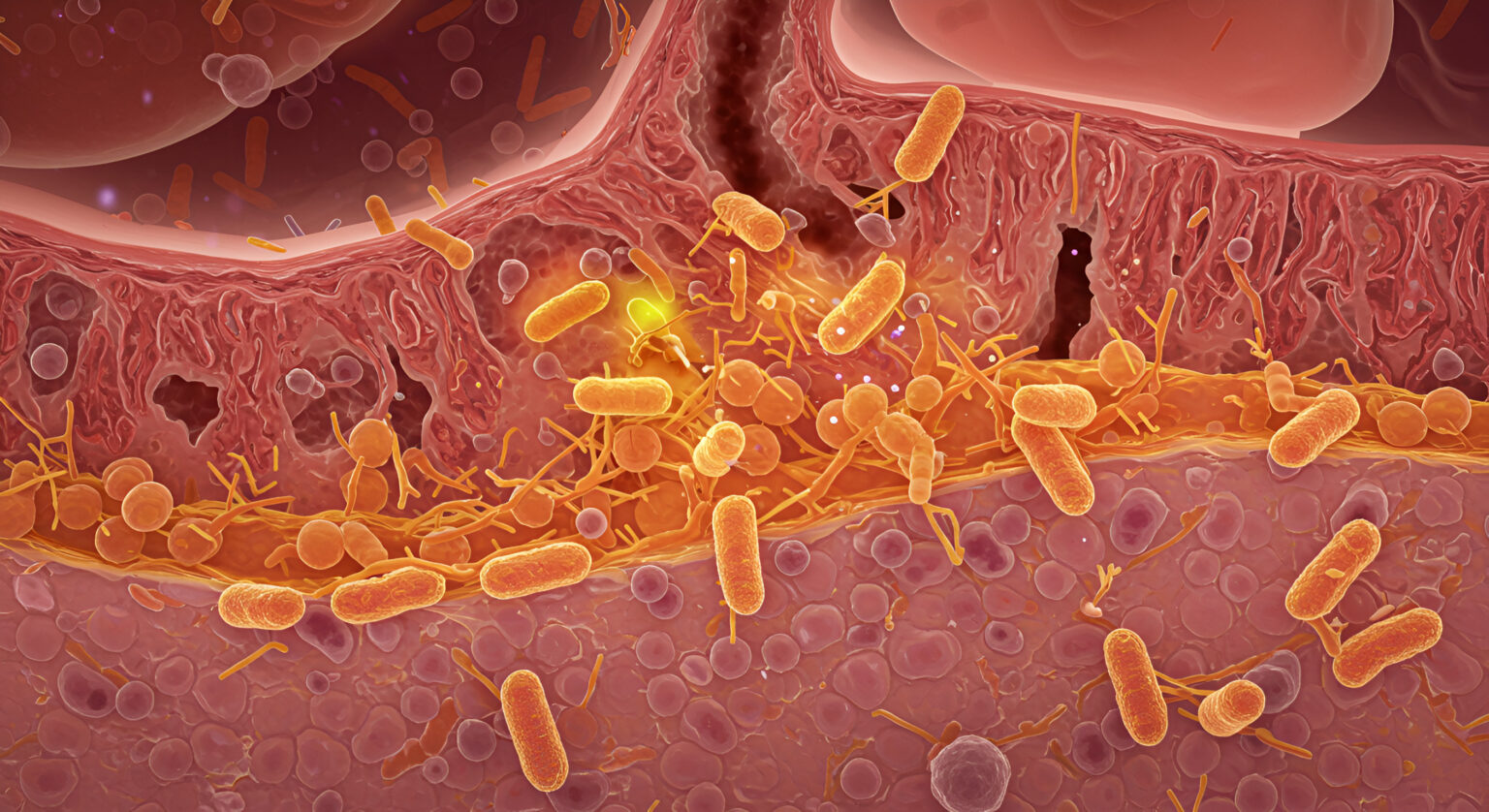
The findings of a new research study increase understanding of the molecular drivers of C. diff infection and point to novel therapeutic strategies aimed at a pathogen that causes about half a million infections in the U.S. each year. -
November 15, 2023
Novel C. diff structures are required for infection, offer new therapeutic targets
Vanderbilt research discovers that iron storage “spheres” inside the bacterium C. diff — the leading cause of hospital-acquired infections — are important for infection in an animal model and could offer new targets for antibacterial drugs. -
September 21, 2023
VUMC postdoctoral researcher selected as HHMI Hanna Gray Fellow
Vanderbilt postdoctoral researcher Martin Douglass, PhD, has been named a 2023 Hanna Gray Fellow by the Howard Hughes Medical Institute. -
March 30, 2023
NIH grant launches C. diff vaccine research initiative
Vanderbilt has received an NIH grant to launch the Vanderbilt Antibody and Antigen Discovery for Clostridioides difficile Vaccines, or VANDy-CdV. -
November 3, 2022
C. diff infections drop in children
The number of pediatric infections caused by Clostridioides difficile (C. diff) decreased from 2013 to 2019, likely due to an increase in antibiotic stewardship programs and improved hospital contact protocols, Vanderbilt researchers found. -
July 28, 2022
C. difficile may contribute to colorectal cancer: study
A Vanderbilt study found that the bacterium Clostridioides difficile (C. difficile) may be a previously unrecognized contributor to colorectal cancer. -
September 30, 2021
Molecular imaging of C. diff infection
C. difficile — the leading cause of hospital-associated intestinal infections — induces a rapid influx of bile acids into the gut, which could provide a novel target for blocking infection.