


Department of Medicine Archive — Page 87 of 126



-
February 28, 2019
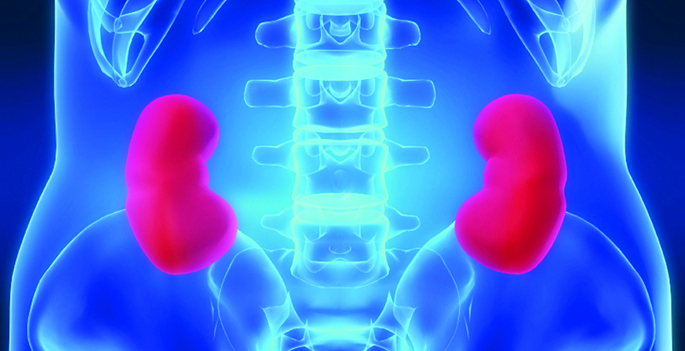
Achilles’ heel for kidney cancer
The discovery that kidney cells with mutations in a certain gene are sensitive to therapies called PI3K inhibitors opens new opportunities for applying precision medicine to cancer treatment. -
February 28, 2019
Protein loss promotes cell migration
The protein kinase STK17A plays a novel role in epithelial cells and its loss may contribute to colorectal cancer invasion and metastasis, Vanderbilt researchers report. -
February 28, 2019
Gene identified that increases risk of antibiotic reaction
Researchers at Vanderbilt University Medical Center and colleagues have identified a gene that increases the risk for a severe and potentially life-threatening reaction to the commonly prescribed antibiotic vancomycin. -
February 28, 2019
Investigators map genomic landscape of very rare cancer
A team of Vanderbilt researchers mapped out the genomic landscape of a metastatic malignant proliferating tricholemmal tumor and identified a targeted treatment for this very rare cancer. -
February 21, 2019
Bachmann lauded by American College of Cardiology
Justin Bachmann, MD, MPH, is receiving the Presidential Career Development Award from the American College of Cardiology (ACC), which comes with one year of research support totaling $70,000. -
February 18, 2019
VUMC study finds helping patients breathe during intubation prevents life-threatening complications
Thousands of Americans die each year during a dangerous two-minute procedure to insert a breathing tube. Now a Vanderbilt University Medical Center (VUMC) study in the New England Journal of Medicine (NEJM) is showing that using bag-mask ventilation, squeezing air from a bag into the mouth for 60 seconds to help patients’ breathing, improves outcomes and could potentially save lives. -
February 7, 2019
Symposium shines light on research by medical students
The Vanderbilt University School of Medicine Medical Scholars Research Symposium was held Feb. 4 and highlighted the work of eight medical students who spent the 2017-2018 academic year immersed in research experiences under the guidance of faculty mentors.