


Department of Neurology Archive — Page 3 of 15


-
April 17, 2024
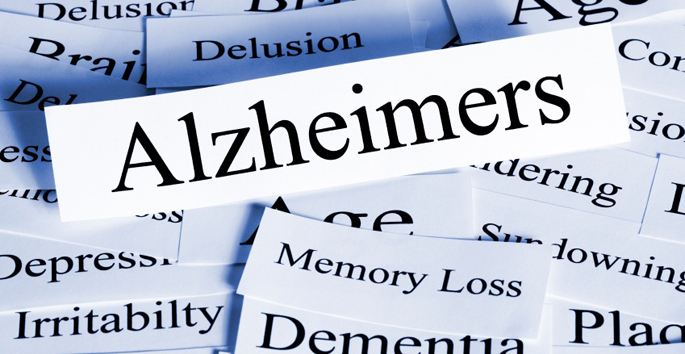
Event highlights Alzheimer’s disease research
The 5th Annual Vanderbilt Alzheimer's Disease Research Day, sponsored by the Vanderbilt Memory and Alzheimer's Center (VMAC), was held April 10 at Vanderbilt University School of Nursing. -
March 25, 2024
Brain atlas pinpoints vulnerabilities in ALS and dementia
-
March 4, 2024
Stroke symposium set for April
Vanderbilt Neurology Stroke and Neuroscience Symposium will be held April 4 as a hybrid event, in person at the Hilton Garden Inn Nashville Vanderbilt Hotel and online. -
February 5, 2024
VUMC recognized for atypical Parkinsonism care and research
Vanderbilt's Department of Neurology has been named a CurePSP Center of Care -
January 23, 2024
Beth Malow receives grant to mount sleep program for children with autism
Vanderbilt neurologist Beth Malow, MD, has received a grant from the American Academy of Sleep Medicine to mount a community-based educational program for improving sleep in children with autism spectrum disorder. -
November 29, 2023
Nonprofits support quest to cure childhood epilepsy
Monica Joanna Elnekaveh was doing everything she could to learn what was causing her 18-month-old daughter’s developmental issues. Her relentless quest to find answers eventually led her to Vanderbilt investigative neurologist Jing-Qiong (Katty) Kang, MD, PhD. -
November 20, 2023
Belzil to establish VUMC ALS Research Center
Neuroscientist Véronique Belzil, PhD, MS, will join Vanderbilt University Medical Center as associate professor of Neurology and director of ALS (amyotrophic lateral sclerosis) research.