


Department of Orthopaedic Surgery Archive — Page 10 of 13





-
April 7, 2016
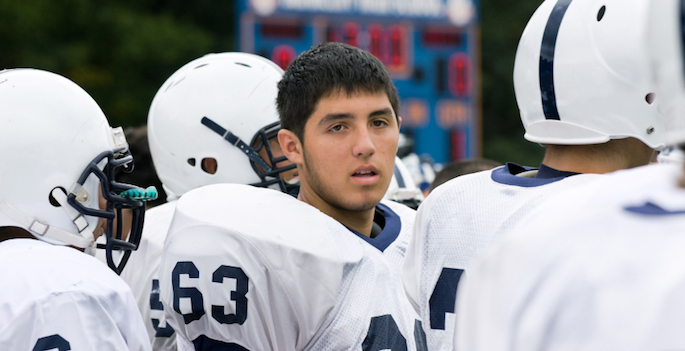
Youth sports meeting outlines need for attention to safety
Even though Tennessee has laws and policies in place to protect young athletes from sports-related fatalities, more diligence is needed to abide by them, said Alex Diamond, D.O., MPH. -
December 28, 2015
The most popular research stories of 2015
With discoveries ranging from the origins of consciousness to the end of the universe, 2015 was a year of incredibly diverse research at Vanderbilt University. -
December 10, 2015
Review highlights financial impact of sarcoma misdiagnosis
Malpractice awards and settlements are eight times greater when physicians misdiagnosis sarcoma than when they make other mistakes, according to a review of 32 years of court cases. -
December 3, 2015
Mencio named to direct American Board of Orthopaedic Surgery
Gregory Mencio, M.D., professor and vice chair of Orthopaedics at Vanderbilt, recently was named to serve as a director of the American Board of Orthopaedic Surgery (ABOS). -
November 12, 2015
Earthquake victim’s journey leads to Children’s Hospital
Eleuseo Morales-Garcia awoke suddenly to his San Marcos, Guatemala, home shaking violently on July 7, 2014. It was 5 a.m. and the walls were crumbling around him, his wife, Audelia Marta-Ortiz, and their five children. -
October 15, 2015
Joint injections speed knee replacement recovery: study
Another non-opioid option besides nerve blocks works better for patients recovering from knee replacement surgery, according to a study by Andrew Shinar, M.D., associate professor of Orthopaedic Surgery and Rehabilitation. -
August 13, 2015
VUMC study shifts thinking on how bone fractures heal
New findings show that fibrin, a protein that was thought to play a key role in fracture healing, is not required, shifting understanding of how fractures heal.