


opioids Archive — Page 1 of 7

-
April 21, 2025
Neurodevelopmental care initiative supports infants and young children exposed to opioids in utero
SHINE program offers neurodevelopmental care embedded within a medical home for infants and young children with neonatal opioid exposures. -
March 5, 2025
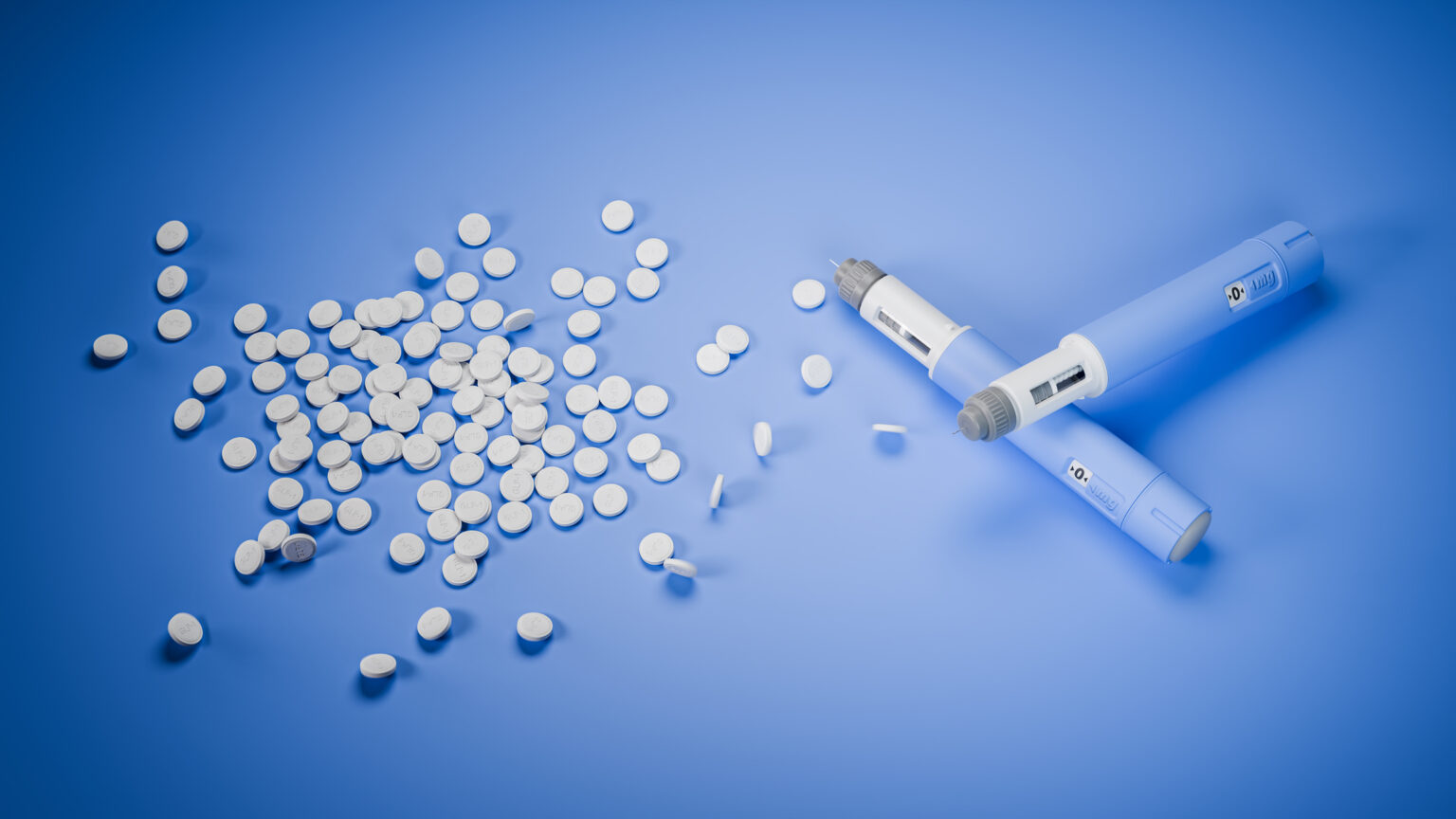
Team finds a better way to identify newborns at risk for opioid withdrawal
By 2017, on the back of the opioid crisis, the rate of neonatal opioid withdrawal syndrome in the U.S. was estimated to have reached 7.3 per 1000 deliveries. Meanwhile, many newborns exposed to opioids in utero never develop the syndrome and must undergo needless monitoring in the hospital after birth. -
October 12, 2023
More work needed on plans of safe care for infants affected by maternal substance use
Vanderbilt research found that there is variability in practice for infants affected by maternal substance use driven by vague policy, challenges of cross-system collaboration and a lack of general knowledge about substance use disorder. -
August 24, 2023
Predicting postop opioid use
VUMC study finds that preoperative patient characteristics can predict daily opioid use at six months after surgery, suggesting opportunities for development of electronic risk-stratification algorithms. -
August 7, 2023
Effective medications for opioid use disorder rarely used
Vanderbilt research shows that most individuals diagnosed with opioid use disorder are not on recommended medications and even fewer remain in care. -
September 14, 2022
Complementary research, resources, policies improve outcomes for those with substance use disorders: panel
A panel of experts on opioid use disorder (OUD) recently discussed the importance of building recovery ecosystems or networks of resources to respond to the opioid epidemic. -
July 21, 2022
Difficulty swallowing linked to chronic opioid use: study
Vanderbilt researchers found that chronic use of opioid painkillers like hydrocodone and oxycodone significantly increases the risk of dysphagia, or difficulty swallowing.