


Vanderbilt Heart and Vascular Institute (VHVI) Archive — Page 6 of 10



-
February 11, 2016
Cardiologist Hood keeps patients’ best interests at heart
When Rob Hood, M.D., began practicing cardiology 30 years ago he could not have imagined that fitness would one day be measured on a device worn around his wrist. -
November 5, 2015
Clair named Heart Institute Executive Medical Director
After serving in an interim capacity, Walter Clair, M.D., MPH, associate professor of Medicine and medical director of Cardiac Electrophysiology, has been named executive medical director of the Vanderbilt Heart and Vascular Institute (VHVI). -
October 15, 2015
Shah named to direct VHVI’s heart transplant program
Ashish Shah, M.D., has joined Vanderbilt Heart and Vascular Institute (VHVI) as director of Heart Transplant and Mechanical Circulatory Support. -
August 20, 2015
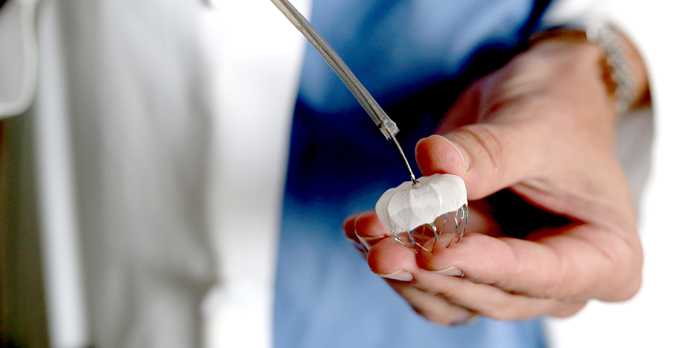
New device monitors pulmonary artery pressures
For patients with heart failure, changes in pulmonary artery (PA) pressures are an early indication that their condition is worsening, even before they notice symptoms such as shortness of breath or weight gain. -
August 6, 2015
VUMC recognized for high standard of cardiac care
The American College of Cardiology has recognized Vanderbilt University Medical Center (VUMC) for its commitment to and success in implementing a higher standard of care for heart attack patients. -
June 17, 2015
Vanderbilt Heart offers alternative to blood thinners for atrial fibrillation
Vanderbilt Heart and Vascular Institute now offers patients with atrial fibrillation (AF) an alternative treatment to reduce their risk of stroke, potentially avoiding the long-term use of blood thinners such as warfarin. -
June 11, 2015
Former heart patient inspired to create Discovery Science Fund
Two vastly different causes of heart failure, both of which can devastate a patient’s life, are being studied at Vanderbilt University Medical Center thanks, in part, to the generosity of a grateful patient whose own damaged heart was repaired at Vanderbilt more than five years ago.