Vanderbilt Institute for Infection Immunology and Inflammation (VI4) Archive — Page 6 of 6

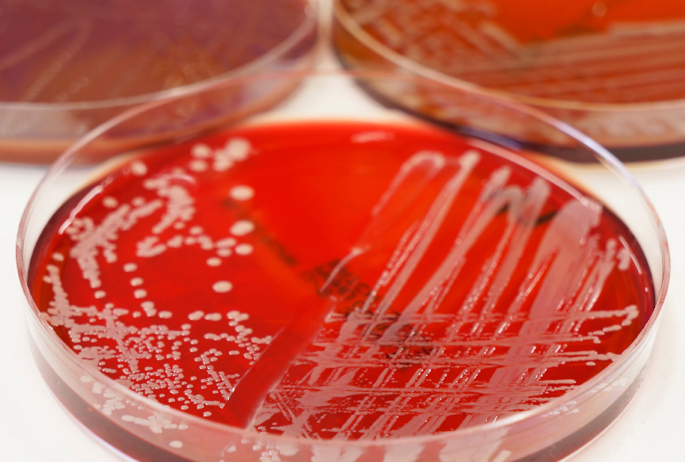
Petri dish containing red culture medium with numerous white bacterial colonies and streak marks from inoculation; additional culture plates are blurred in the background.
April 15, 2014

Anthrax bacteria’s signaling systems

Vanderbilt researchers have identified a new signaling system that anthrax bacteria uses to infect its host.

Richard Caprioli and mass spectrometer
March 3, 2014

Vanderbilt awarded $16.5 million agreement to determine how toxic agents affect human cells

Vanderbilt University has been awarded a Cooperative Agreement with the Defense Advanced Research Projects Agency and the Army Research Office that is worth up to $16.5 million over five years.

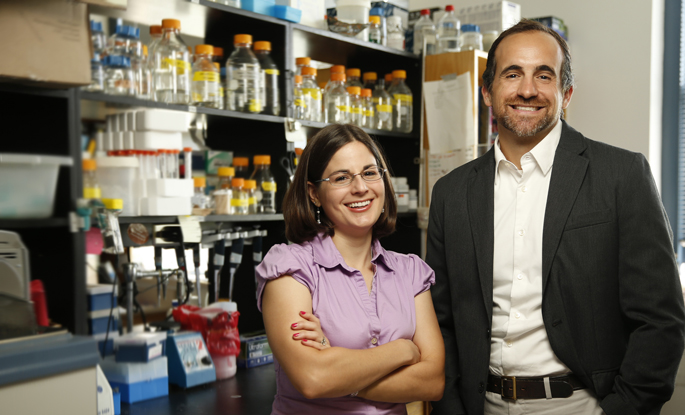
Two researchers, a woman in a purple blouse and a man in a dark jacket, pose in a laboratory surrounded by shelves of bottles and scientific equipment.
June 20, 2013

Studies outline new model for staph bone infections

Osteomyelitis, a debilitating bone infection most frequently caused by Staphylococcus aureus (“staph”) bacteria, is particularly challenging to treat.

Two researchers stand side by side in a university hallway, one wearing a dark shirt and the other a red shirt.
February 21, 2013

Antibacterial protein’s molecular workings revealed

Vanderbilt investigators report new insights to the workings of calprotectin, an immune system protein that “starves” bacterial pathogens of the metal nutrients they require.

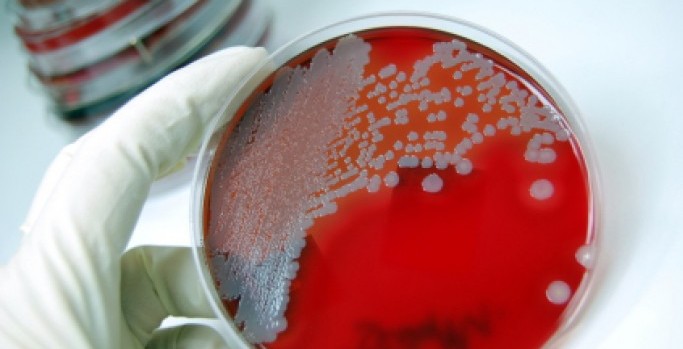
Gloved hand holding a petri dish containing red culture medium with numerous pale bacterial colonies; additional culture dishes are blurred in the background.
January 17, 2013

Zinc: a new antibiotic target?

It may be possible to fight hospital-acquired pathogens like Acinetobacter baumannii by targeting the bacterium’s need for the nutrient metal zinc.

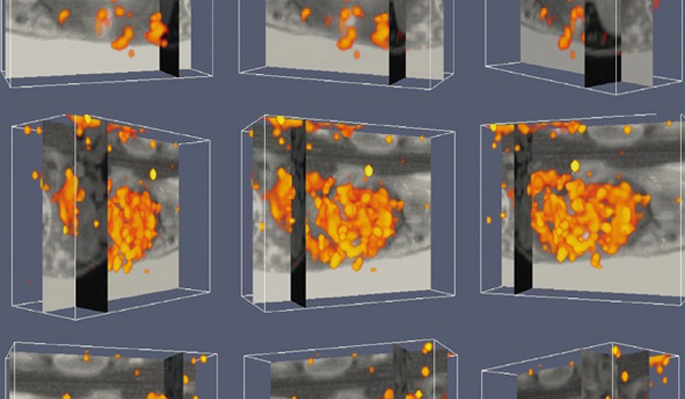
Grid of grayscale 3D medical imaging renderings with orange and yellow highlighted regions shown in transparent box views.
August 9, 2012

Team creates new view of body’s infection response

A new 3-D view of the body’s response to infection — and the ability to identify proteins involved in the response — could point to novel biomarkers and therapeutic agents for infectious diseases.