


All News Archive — Page 41 of 176

-
January 5, 2026
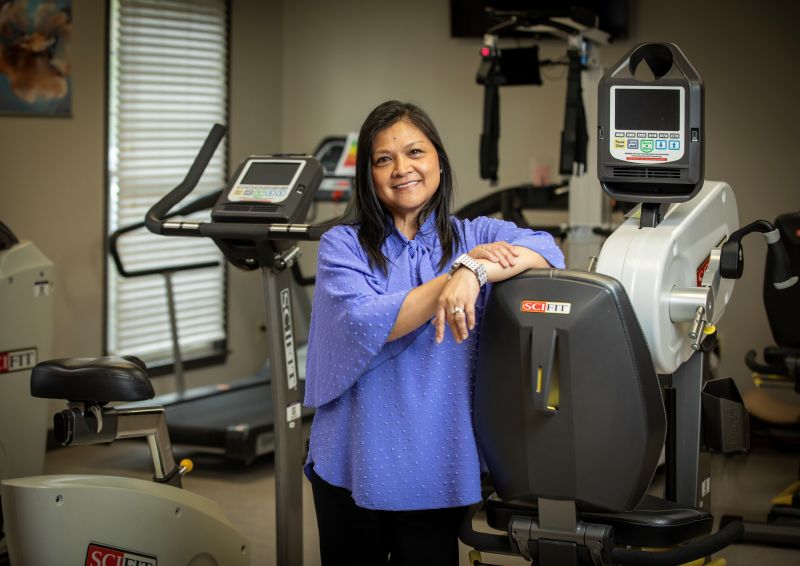
Michele Hasselblad named Chief Nursing Officer for Vanderbilt University Hospital
She succeeds Robin Steaban, MSN, RN, NEA-BC, who will retire Jan. 30 after 35 years of service at Vanderbilt Health. -
January 5, 2026
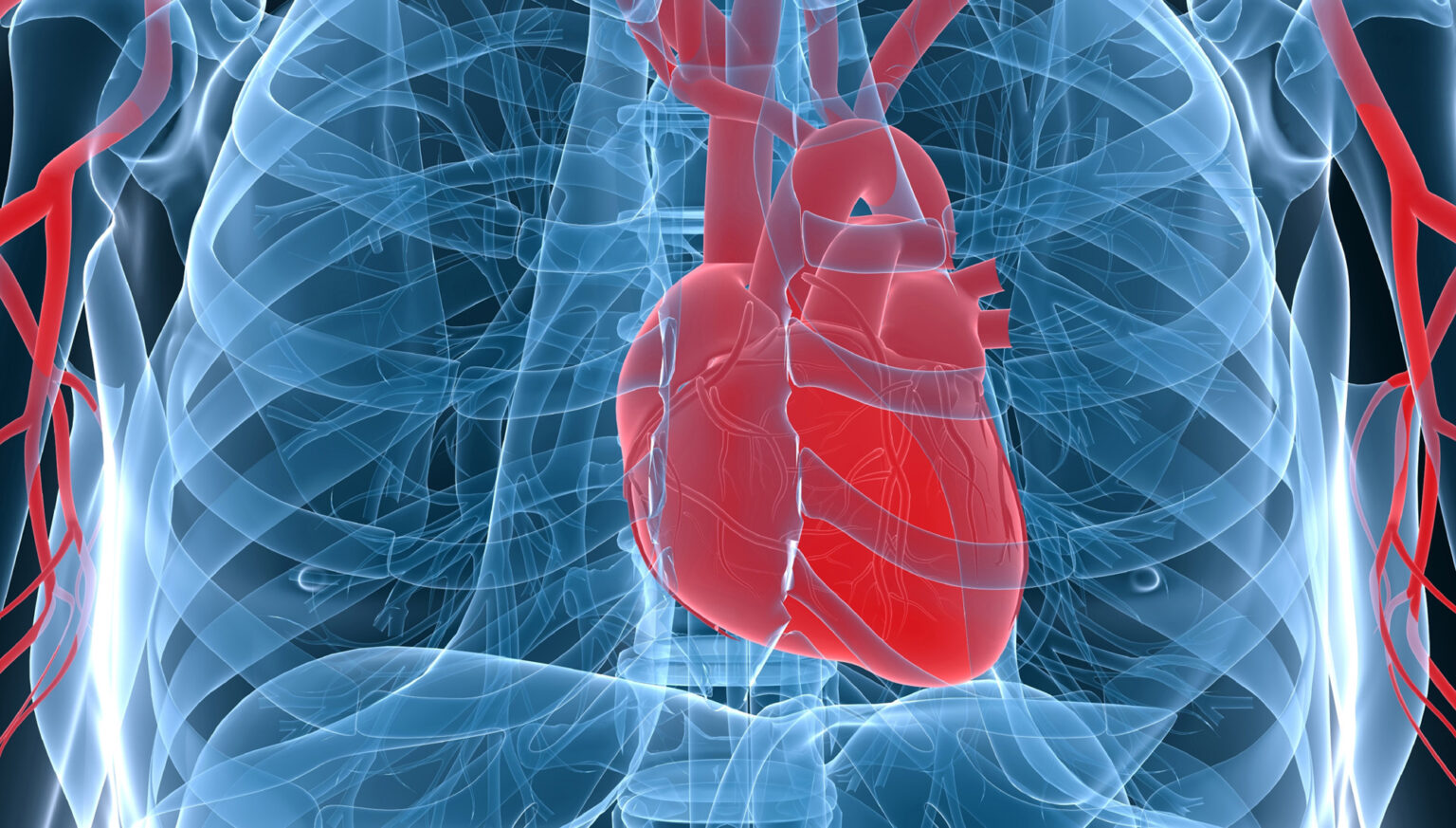
Vanderbilt Health honored for providing care to patients with congenital heart disease
The program recognizes “the critical role of facilities providing care to patients with congenital heart disease who transition their care from pediatric cardiology to adult cardiology services.” -
January 5, 2026
New year, new beginnings — and new little arrivals
Congratulations to all the families and welcome, Alden-Paul, Finley and Casper. -
January 5, 2026
Vanderbilt LifeFlight transitioning flight program back in-house
Through a phased approach, all nine program bases will be fully transitioned by June. This change aligns with Vanderbilt LifeFlight’s goal of owning all aspects of the flight program. -
January 5, 2026
Anna Hemnes named chair of Department of Medicine and system physician-in-chief for Vanderbilt Health
She will serve as the 11th chair of the Department of Medicine and system physician-in-chief for Vanderbilt Health. Her appointment was effective Jan. 1. -
January 2, 2026
DAISY Award spotlight: ‘It was as if I had fallen into a pit of darkness with no way out. But in that darkness, there was a light. That light was Jasmine.’
Jasmine Bruton, BSN, RN, works in the Pediatric Medicine and Acute Care unit at Monroe Carell Jr. Children’s Hospital at Vanderbilt. She is one of the latest Vanderbilt Health DAISY Award winners. -
January 2, 2026
DAISY Award spotlight: ‘The Neonatal Outreach Team has transformed emergency neonatal care systems in Tennessee.’
The Neonatal Outreach Team consists of Mary Lee Lemley, MSN, RNC-NIC, Katie Judd, MSN, RN, CCRN, Meghan Arms, MSN, RN, RNC-NIC, and Jillian Brown, MHA, at Monroe Carell Jr. Children’s Hospital at Vanderbilt. They are one of the latest Vanderbilt Health DAISY Award group winners.