

More than a third (36%) of Tennessee families said they are food insecure or lack consistent access to enough food for an active, healthy life, as defined by the U.S. Department of Agriculture. Roughly 30% of families polled also reported nutrition insecurity, saying they worry that the food they have will harm their family’s health and well-being.
The findings come from the latest analysis of the Vanderbilt Child Health Poll fielded annually by researchers at Monroe Carell Jr. Children’s Hospital at Vanderbilt — and again show a persistent trend of food insecurity among Tennessee families.
Since the food insecurity question was added to the annual poll in 2021, families reporting low or very low food security has hovered between 30% (2021) and 41% (2022) of parents who were polled across the state. For the first time this year, the poll also asked about nutrition security, with one in three parents reporting concerns about the nutritional content of the food their family can access.
“Current support programs continue to fall short in ensuring all Tennessee families have enough nutritious food for their family,” said Cristin Fritz, MD, MPH, assistant professor of Pediatrics.
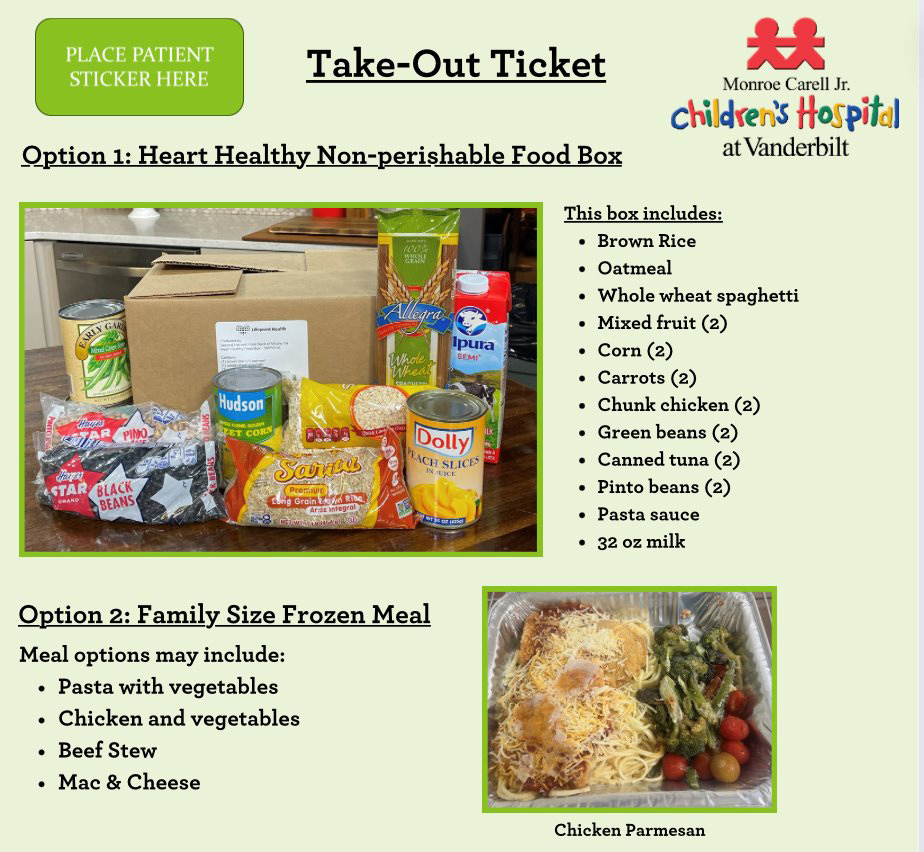
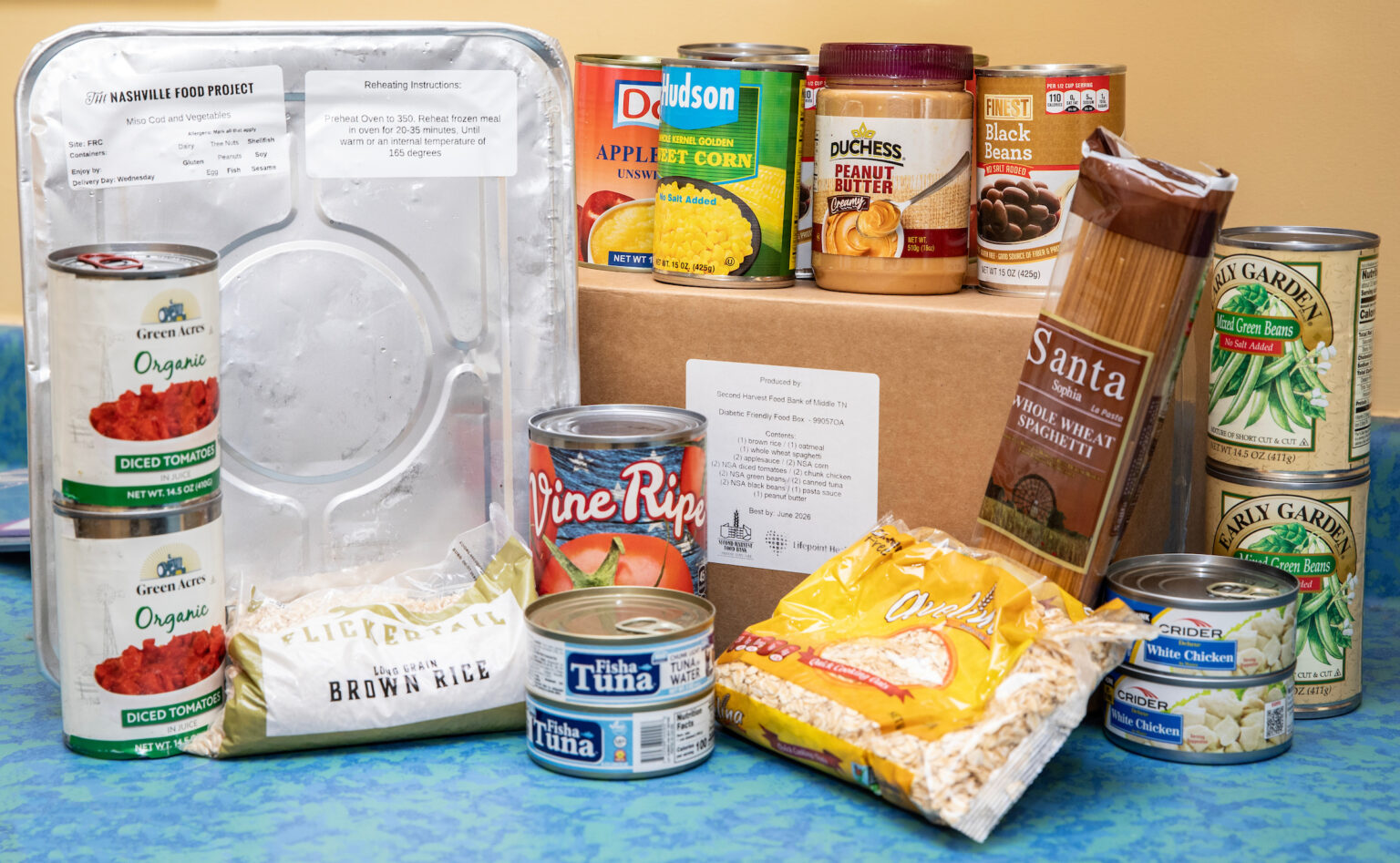
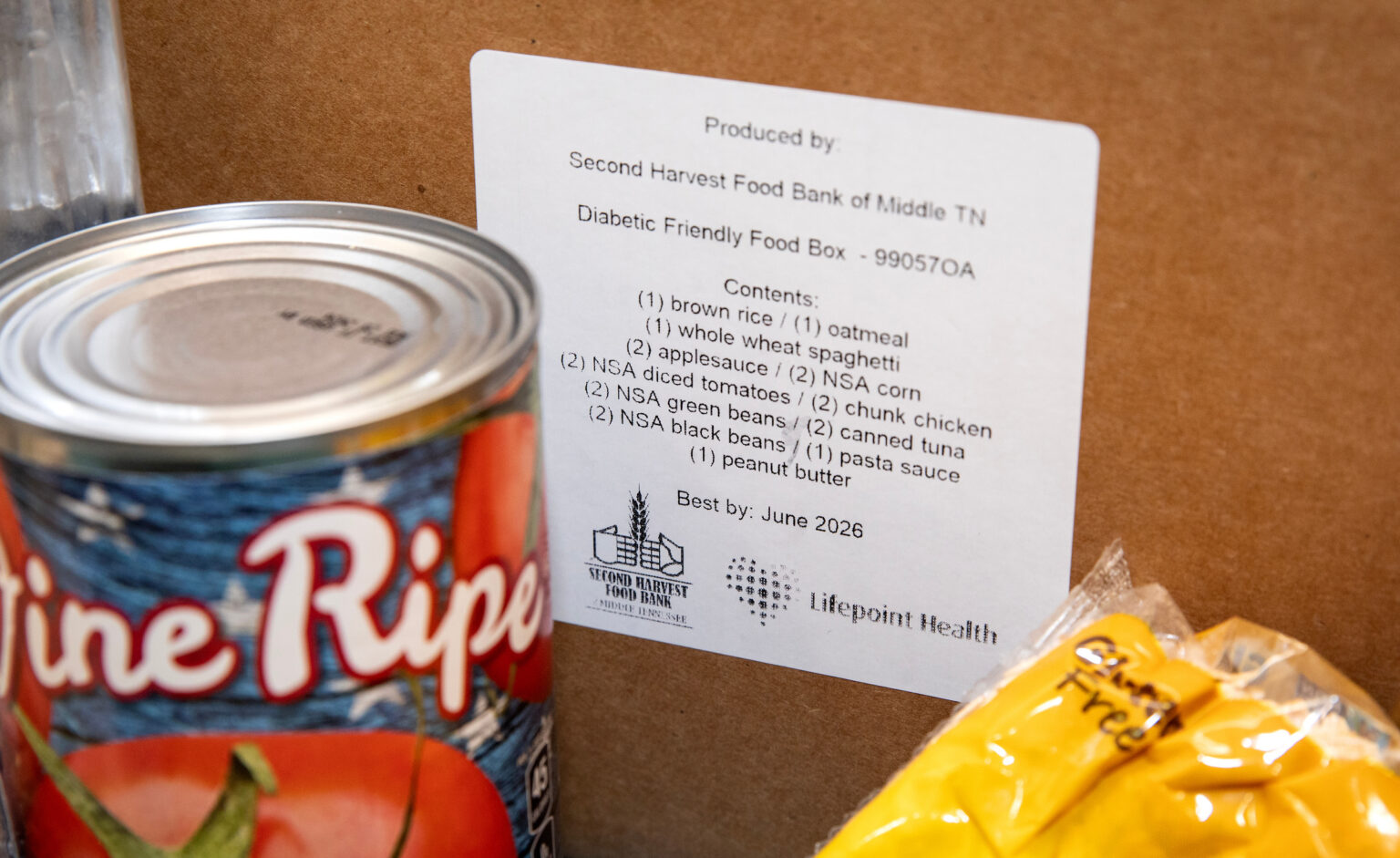
Roughly half of parents said they used some type of food assistance program, like free and reduced school lunch, the Supplemental Nutrition Assistance Program, or food pantries. Many reported using more than one assistance program. The most common barriers to accessing programs among those needing support included presuming they were not eligible and not being comfortable asking for help.
Black and Hispanic parents reported higher levels of worry about their family’s access to food compared to white parents. Sixty-four percent of Black parents said they used some type of assistance in the last 12 months, compared to 43% of white parents and 41% of Hispanic parents. Of those not receiving any assistance over the last 12 months, more Black parents reported they were not comfortable asking for help by a 3-to-1 margin compared to white parents.
“Our polling reveals a clear policy and access gap that can be addressed by ensuring year‑round, universal access to healthy meals through strengthened school meal and Summer EBT programs, alongside targeted community‑based supports for families across the state,” Fritz said.
About the Poll
The Vanderbilt Child Health Poll is conducted annually to gauge parents’ concerns about a wide range of topics. The data, collected from a representative sample of Tennessee parents across each of the three grand divisions of the state, focuses on child health issues ranging from education to food security, insurance status and mental health. Roughly 80% of all parents polled identified as registered voters.