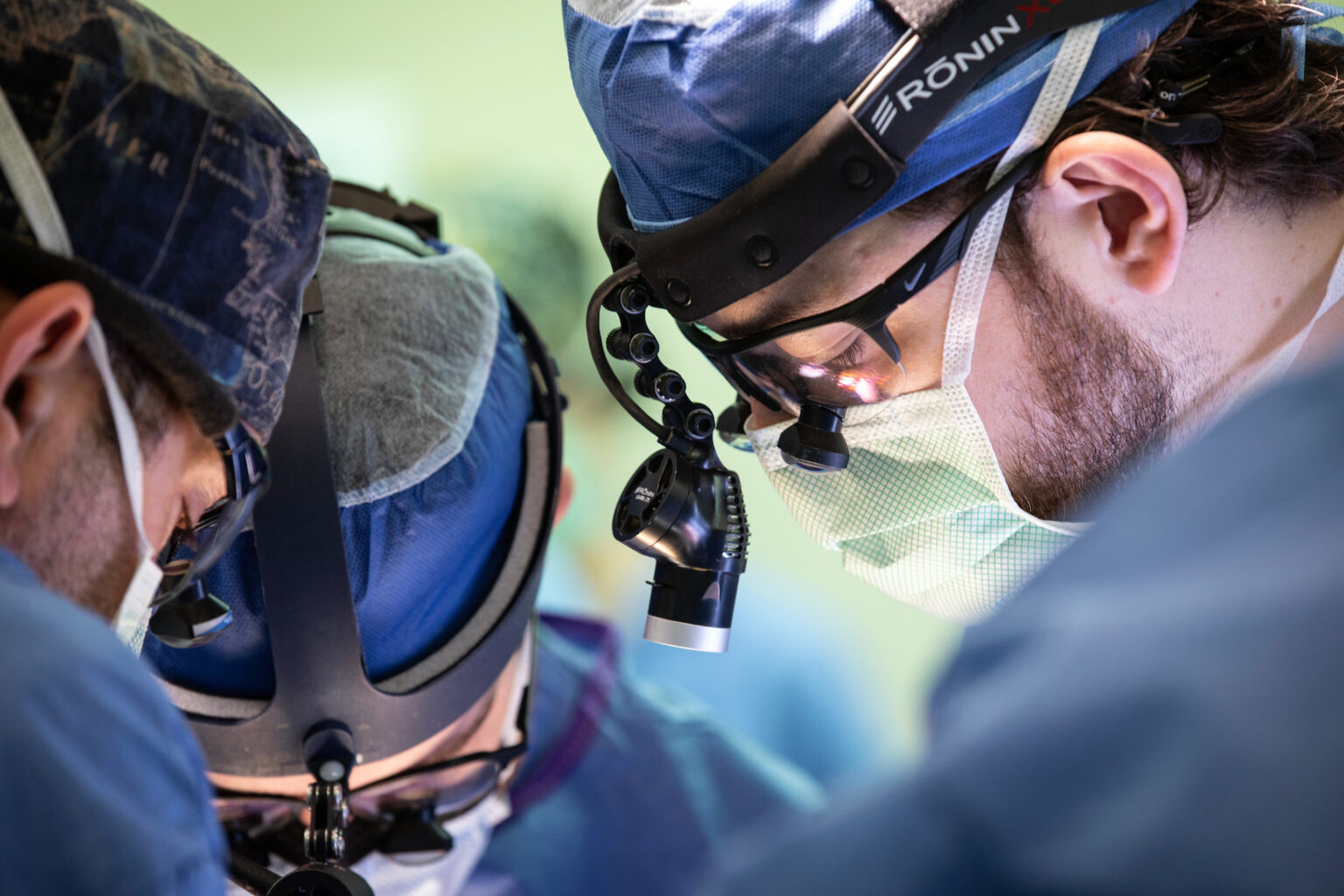
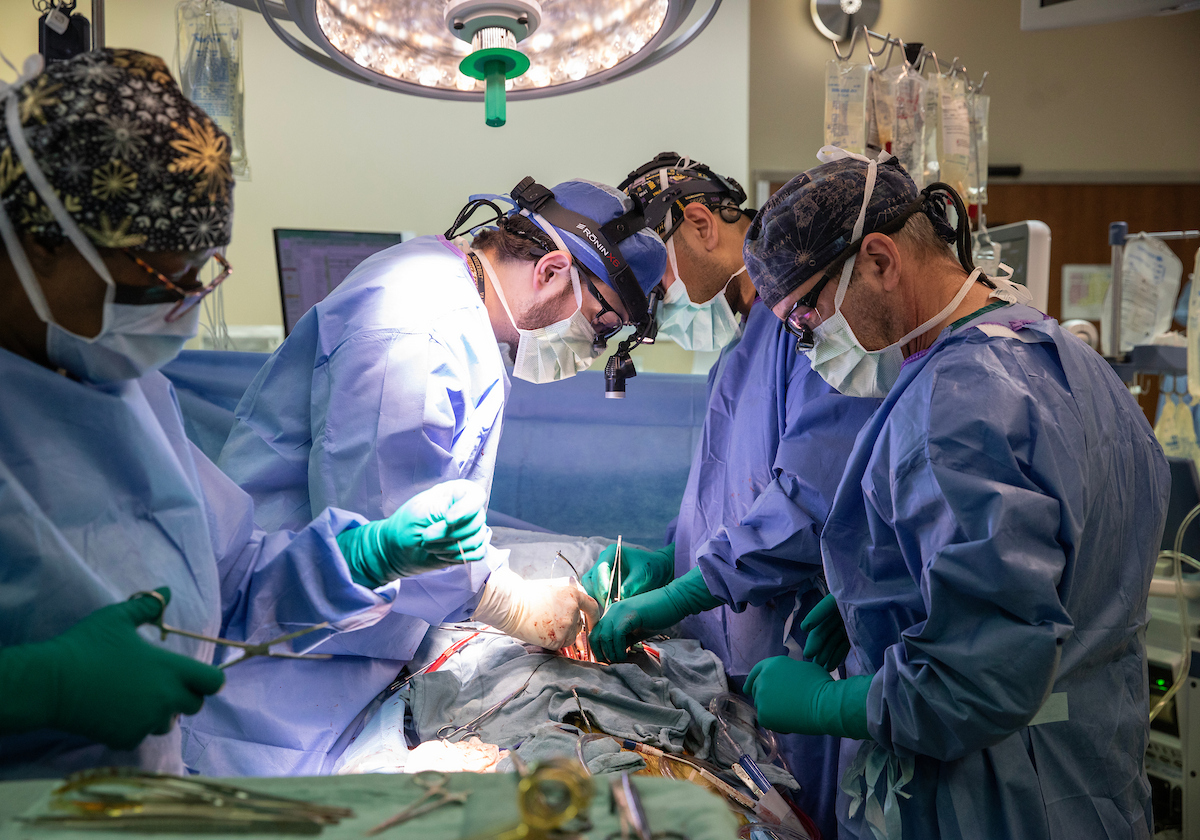
Vanderbilt Health has pioneered a safe and effective technique for recovering hearts for heart transplantation, according to a new study recently published in the Journal of the American Medical Association.
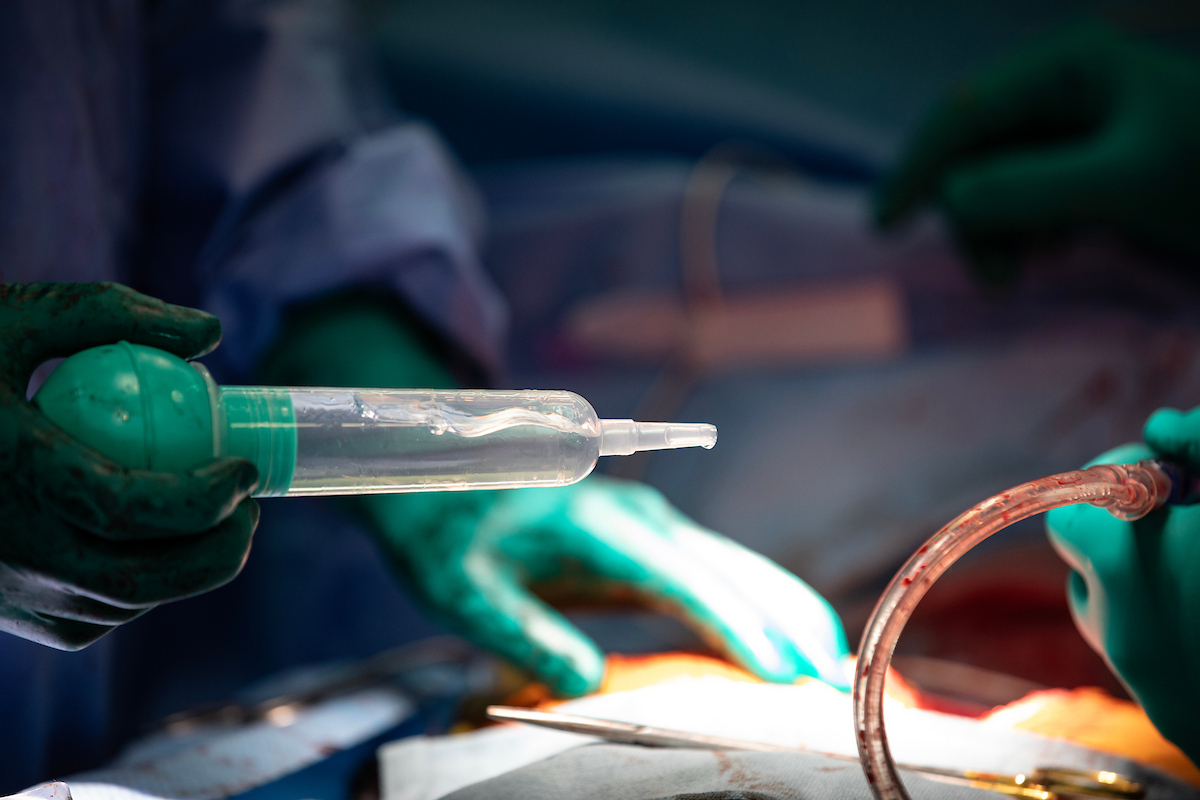
The technique, termed REUP (rapid recovery with extended ultraoxygenated preservation), avoids traditional methods that reanimate the heart within or outside the donor’s body. It consists of using oxygenated blood and del Nido cardioplegia solution as a flush for more than 10 to 12 minutes with a newly recovered donor heart. This is a follow-up study after Vanderbilt Health researchers published their initial series in The New England Journal of Medicine.
Vanderbilt Health researchers looked at 24 adult patients who received lifesaving transplants of DCD (donation after cardiac death) hearts recovered with REUP. Of those, only one developed severe primary graft dysfunction requiring temporary extracorporeal life support and significant acute cellular rejection after transplant.
The study showed REUP resulted in good outcomes preserving hearts for up to eight hours, including in older donors and without concern for geographical limitations to get these hearts, broadening the pool of available organs to people waiting for a lifesaving heart transplant.
Using the REUP technique did not prevent recovering other organs, the study also found.
In addition to using the REUP technique, the study’s authors have been using a special organ cold storage system that keeps the donor hearts at 10 degrees Celsius before they can be transplanted, “a vital component of our REUP heart preservation.” A recent Vanderbilt Health study showed the efficacy of the new cold storage system.
“These outcomes are at least as good, if not better, than the outcomes of current modalities which have significant limitations including costs and ethical concerns,” said Aaron Williams, MD, assistant professor of Cardiac Surgery and first author of the study. “The REUP technique has the opportunity to completely change the game for DCD heart recovery and have immediate worldwide implications for adoption.”
Further study is required to evaluate patient outcomes and to compare the technique to other methods for recovering hearts.
“Our program has firmly embraced its academic responsibility to keep pushing the boundaries of not just heart transplantation, but to explore the fundamentals of whole organ physiology,” said corresponding author Ashish Shah, MD, professor and chair of Cardiac Surgery.
“More importantly, I am immensely proud that we have harnessed our world class transplant experience to challenge convention and be one of the important architects of the future,” added Shah, who holds the Alfred Blalock Directorship in Cardiac Surgery.