For decades, when families were told that their infant or young child needed a heart valve replacement, the discussion often included a difficult reality: additional procedures or operations would be required because conventional replacement valves do not grow with a child.
Now surgeons at Monroe Carell Jr. Children’s Hospital at Vanderbilt are having very different conversations: The introduction of a new valve replacement technique could change the trajectory for selected patients.
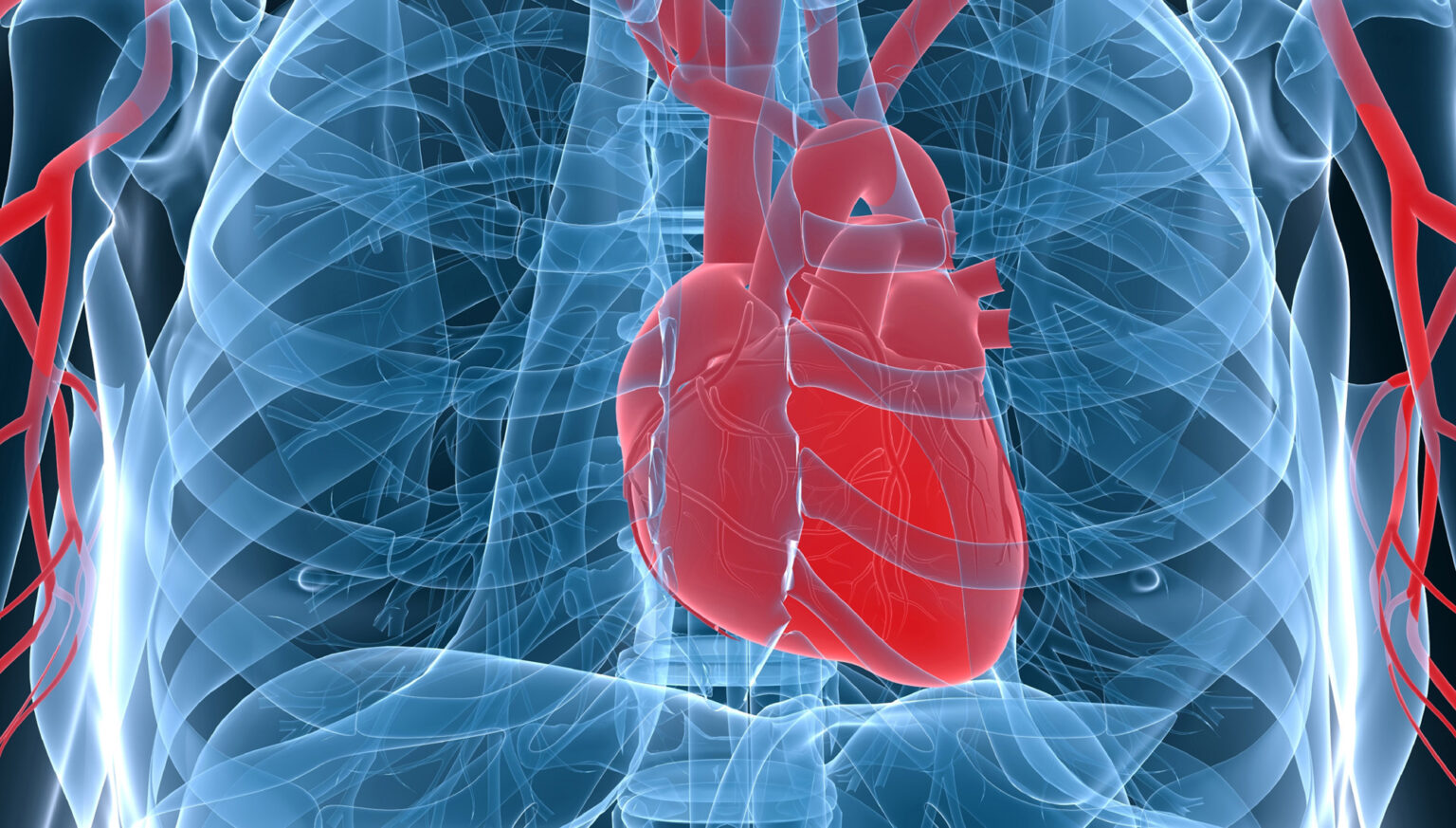
Recently, the team joined a handful of surgeons across the country who have successfully performed a partial heart transplant, in which only the part of the heart containing the necessary valve is transplanted.
A first for both the hospital and the state, the innovative repair fulfills a long-awaited hope for Ziv Beckerman, MD, Associate Chief of Pediatric Cardiac Surgery and Surgical Director of Pediatric Heart Transplantation in the Golisano Pediatric Heart Institute at Monroe Carell.
“This has been a monumental struggle in our field for a very long time,” said Beckerman. “Our only option has been to replace the failing valve with one that did not grow with the patient. All of the options available to us were fixed-sized valves, so when we replace a valve in a baby, by the time that child reaches 18-20 years of age, there is a real potential that they would have had three to four open-heart surgeries or more.
“And every time we go in, it’s a risk.”
Beckerman and his team are hopeful that the innovative treatment that allows the valves to grow with the child will offer better quality of life for patients and families and most importantly, limit the number of times a patient must undergo surgical repair.
“Our focus is keeping our patients alive and well while at the same time giving them a good quality of life,” added Beckerman. “For a child with valvular issues, they have to get accustomed to these repeated surgeries throughout their life. It’s a continuous cycle.
“We have often wondered if we could give them a solution that would reduce the need for multiple reoperations. Partial heart transplantation gives us that possibility.”
Traditional options for replacing heart valves in young children include mechanical or bioprosthetic prostheses, homografts and other reconstructive approaches. Although each has an important role in congenital heart surgery, none provides living tissue that reliably grows with the patient.
Monroe Carell has a waiting list of congenital heart disease patients who are being evaluated for the alternative living donor tissue valve. A partial heart transplantation does require the use of immunosuppressive medications to prevent rejection of the living tissue.
Now teams are seeking additional information on the specifics of immunosuppression dosing as partial heart transplantation becomes a viable option for valve repair.
“We want to present the best solution for each child,” said David Bearl, MD, MA, Associate Professor of Pediatrics and Medical Director of the Pediatric Advanced Cardiac Therapies team at Monroe Carell. “Our biggest goal is to reduce the number of procedures this population of patients must undergo.
“Our hope is that this will be more durable and sustaining. Early experience is encouraging, but partial heart transplantation is still a new therapy,” said Bearl. “We need to closely monitor these patients and learn more about immunosuppression, valve growth and long-term outcomes. Those are critically important questions.”
For Beckerman and the team, the significance of the procedure extends beyond completing a technical first. It represents the possibility of changing the lifetime trajectory for children born with severe valve disease, replacing a cycle of repeated valve replacement with living tissue designed to grow alongside them.