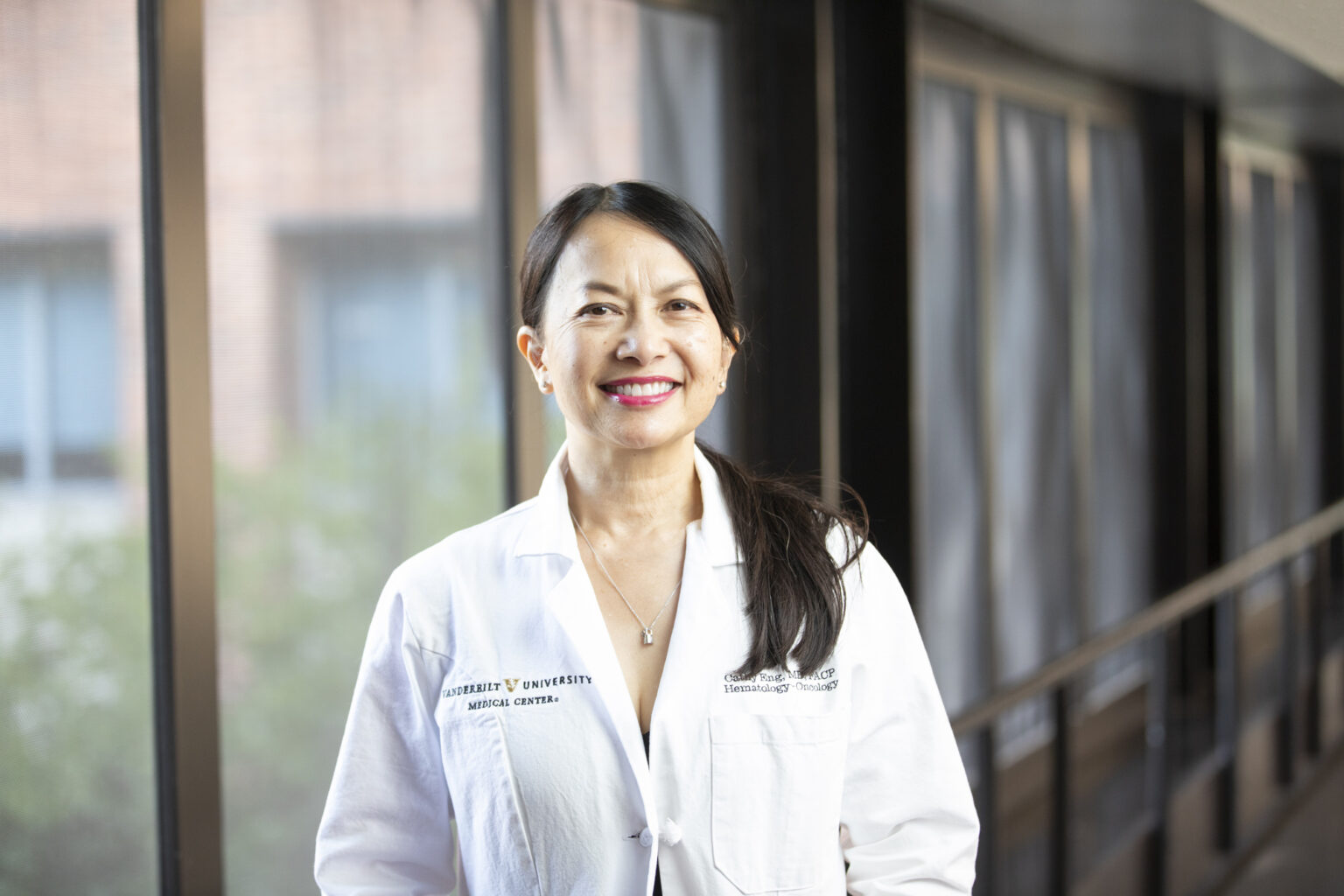



Early-onset cancers are still relatively uncommon, so many young patients find themselves surrounded primarily by older individuals in clinic settings. Building connections with peers who understand their unique challenges can be both empowering and reassuring, said Cathy Eng, MD, the David H. Johnson Professor of Surgical and Medical Oncology, Professor of Medicine and Executive Director of the Young Adult Cancer (YAC) Program at Vanderbilt-Ingram Cancer Center.
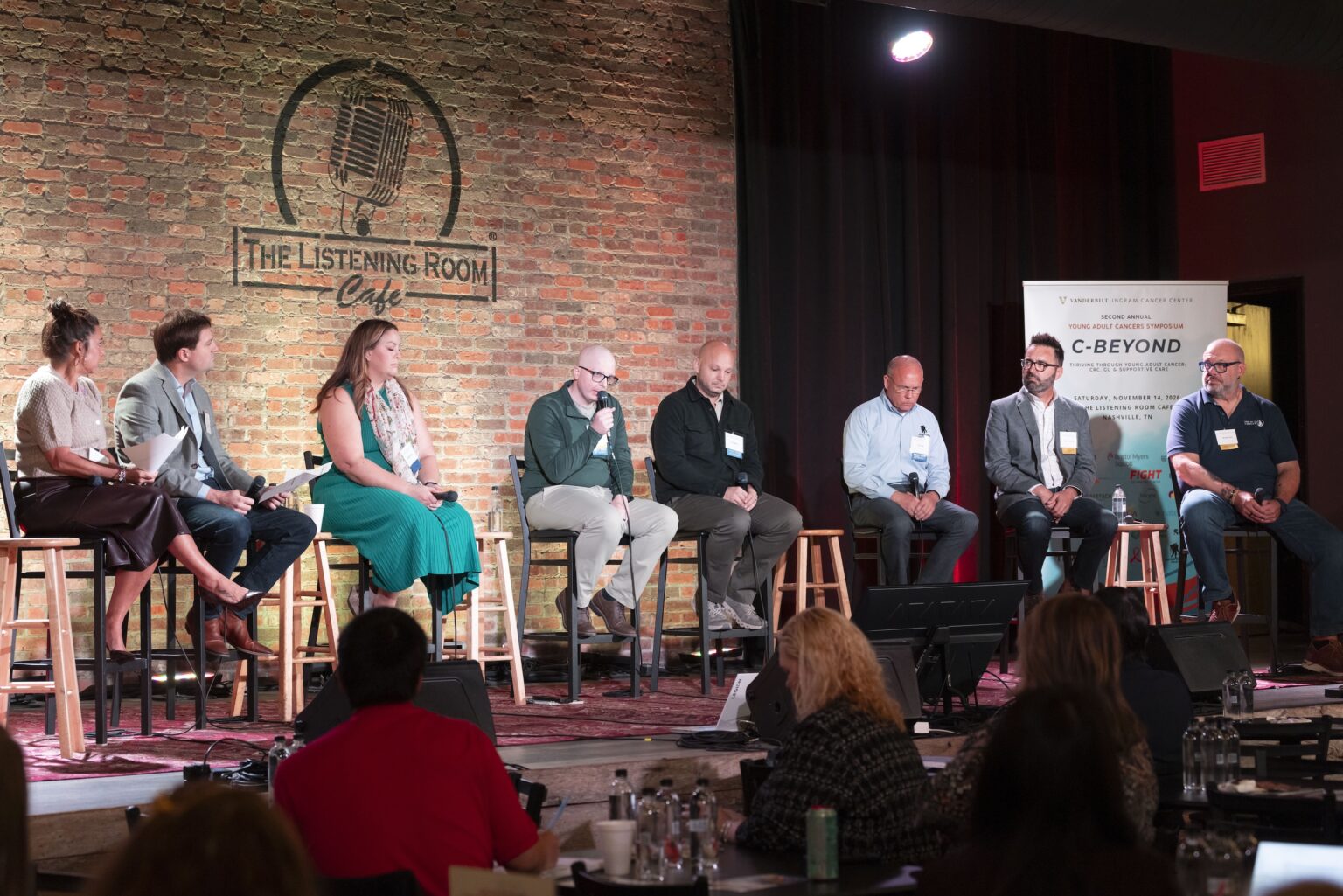
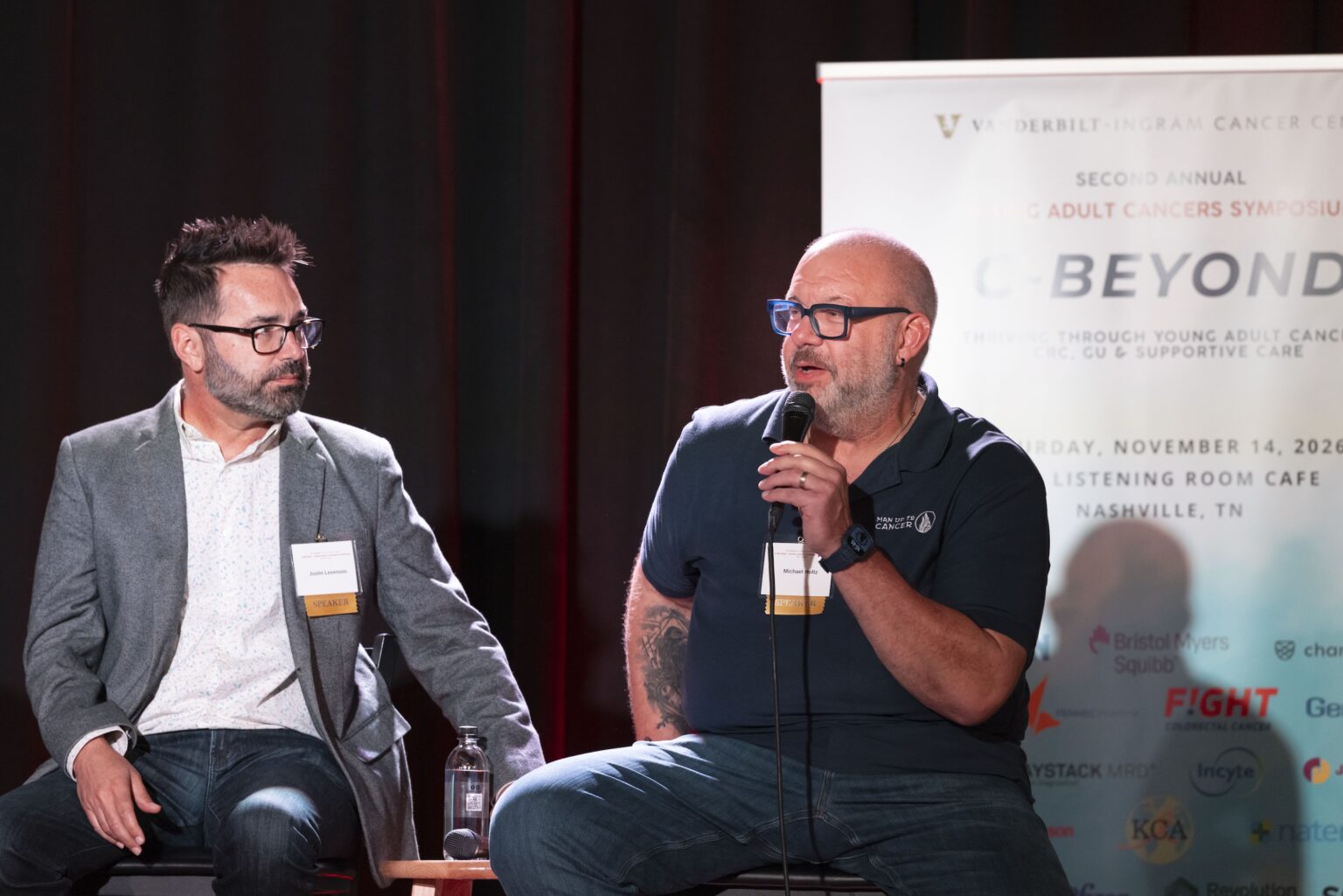
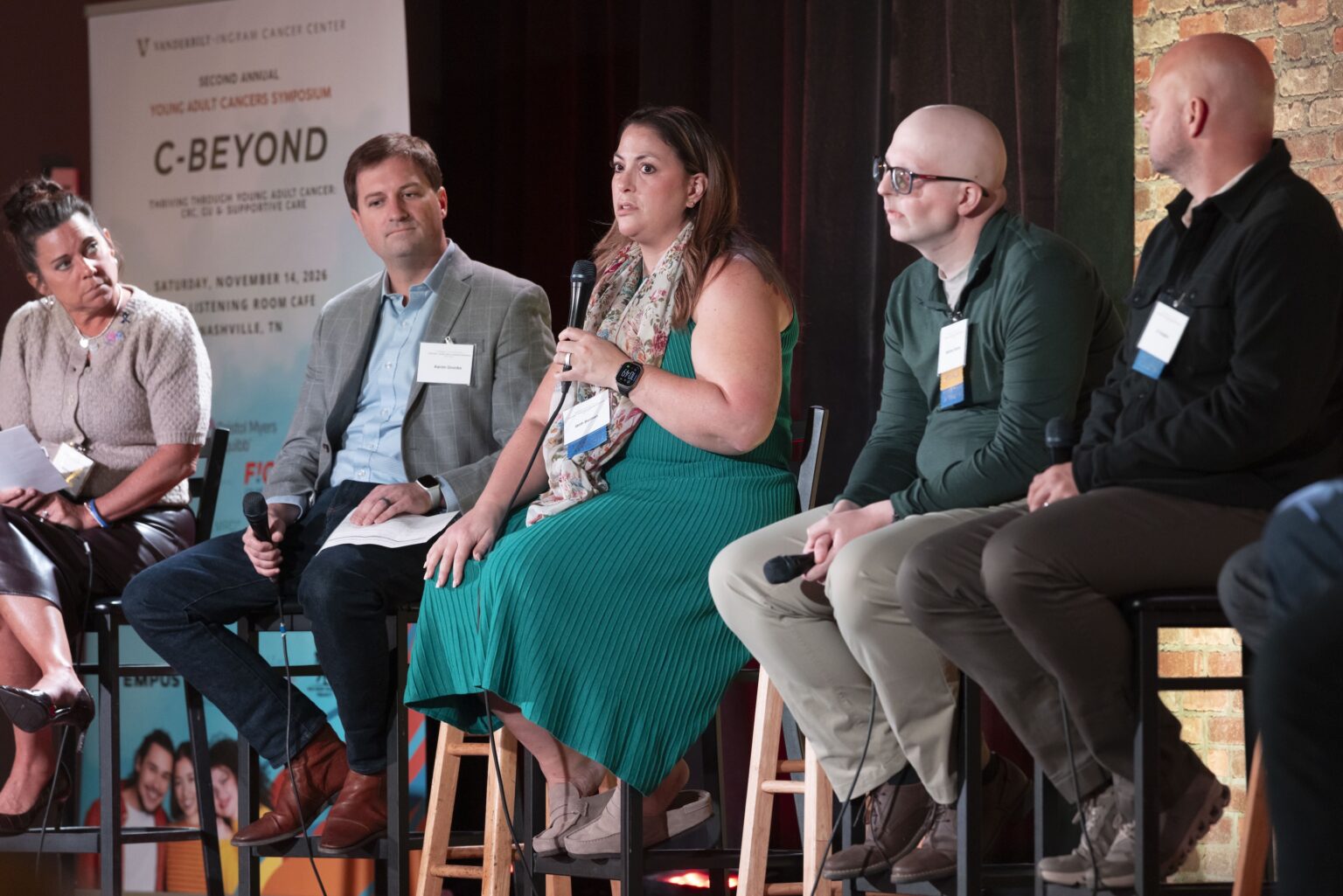
To help make those connections, Vanderbilt-Ingram hosted its second Young Adult Cancer Symposium on Nov. 14, bringing together patients, caregivers and cancer researchers.
“Being diagnosed with cancer as a young adult can be overwhelming and isolating,” Eng said. “Events like this provide an opportunity for young adults to connect with others who share similar experiences.”
Rajiv Agarwal, MD, MSCI, Co-Medical Director of the Supportive and Palliative Oncology Clinic, said the symposium serves two purposes: raising awareness and building community.
“As cancer incidence continues to rise globally in this patient population, it is increasingly important to explore what may be driving this trend and to proactively address the significant quality-of-life challenges faced by young adults,” he said.
Kerry Schaffer, MD, Assistant Professor of Medicine, said young adult patients face several challenges and hardships that are specific to their age. Through the YAC community, she and her colleagues are working to bring resources together in one place and create a space where patients feel supported.
“Connecting with others in a similar situation can be very helpful,” Schaffer said. “It can provide emotional support, knowledge about other resources, and also a broader network for patients and their loved ones.”
For Eng, the symposium’s central message is simple.
“Our most important message is that no one should have to navigate cancer alone,” she said. “There is a strong community of individuals, advocates, health care professionals, and support organizations ready to help. We want young adults to leave knowing that support is available, that their experiences are understood, and that they do not have to carry the burden of this diagnosis on their own.”