


Leigh MacMillan Archive — Page 29 of 85




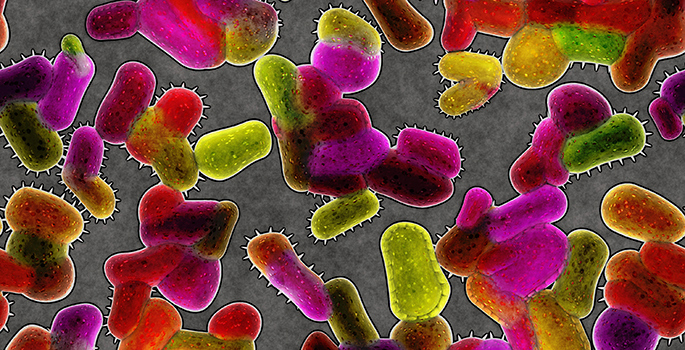

-
October 6, 2020
Early steps in reovirus replication
Conformational change in a reovirus surface protein modulate the virus’s attachment to host cells, Vanderbilt researchers have found. -
October 1, 2020
Pinpointing brain changes in psychosis
Specific regions of the thalamus — a central brain region — are smaller in adults with psychotic disorders and youth at risk for psychotic disorders and are associated with cognitive impairment. -
September 22, 2020
Rational vaccine design
Understanding immunity generated by smallpox vaccine may hold lessons for COVID-19 vaccine development. -
September 17, 2020
Probing pathogen antibiotic resistance
Understanding how bacteria evolve resistance to antibiotics and host stresses could guide the development of more effective antimicrobial therapeutics. -
September 10, 2020
Award supports integration of genomic data, electronic health records
Eric Gamazon, PhD, assistant professor of Medicine, has been awarded a $1.5 million grant from the National Human Genome Research Institute, part of the National Institutes of Health (NIH), to develop novel computational tools that integrate functional genomic data and electronic health records. -
September 8, 2020
Vanderbilt ER nurse receives wedding surprise from “Say Yes to the Dress”
Holly Beth Jones will receive a wedding gown from the show, which is honoring front-line health care workers