MyVUMC Archive — Page 38 of 147

MyVUMC is Vanderbilt University Medical Center’s twice-weekly newsletter for all employees. Each issue has links to news, features and information to connect and empower employees.

February 26, 2025

Ash Wednesday services set for Vanderbilt University Hospital and Monroe Carell Jr. Children’s Hospital at Vanderbilt

Ash Wednesday is March 5, and several services are scheduled for both Vanderbilt University Hospital and Monroe Carell Jr. Children’s Hospital at Vanderbilt.

Promotional flyer for the Vanderbilt Learning Health System Symposium, scheduled for May 13, 2025, from 9:30 a.m. to 3:30 p.m. at the Vanderbilt Engineering and Science Building. It announces poster submissions, an April 18 registration deadline, keynote speaker Rinad Beidas, PhD, and sponsoring centers.
February 25, 2025

Learning Health Systems seminar to be May 13; poster registration deadline is April 18

Exterior of Vanderbilt University Medical Center’s Vanderbilt-Ingram Cancer Center, Preston Research Building, with a curved glass façade, brick wings, and a covered entrance labeled “FRANCES WILLIAMS PRESTON BUILDING.”
February 25, 2025

VICC Scientific Symposium to be April 22; theme is “Artificial Intelligence in Cancer Research and Clinical Care”

Large black “Vanderbilt” lettering on the upper facade of a modern hospital building, viewed across neighboring rooftops under a clear sky.
February 24, 2025

Reminder: Complete latest ‘Making Safety Personal’ module by March 3

A healthcare worker uses a stethoscope and manual blood pressure cuff to measure a patient’s blood pressure.
February 24, 2025

Small changes can have a big impact: Newly revamped ‘Control is the Goal’ blood pressure program open now

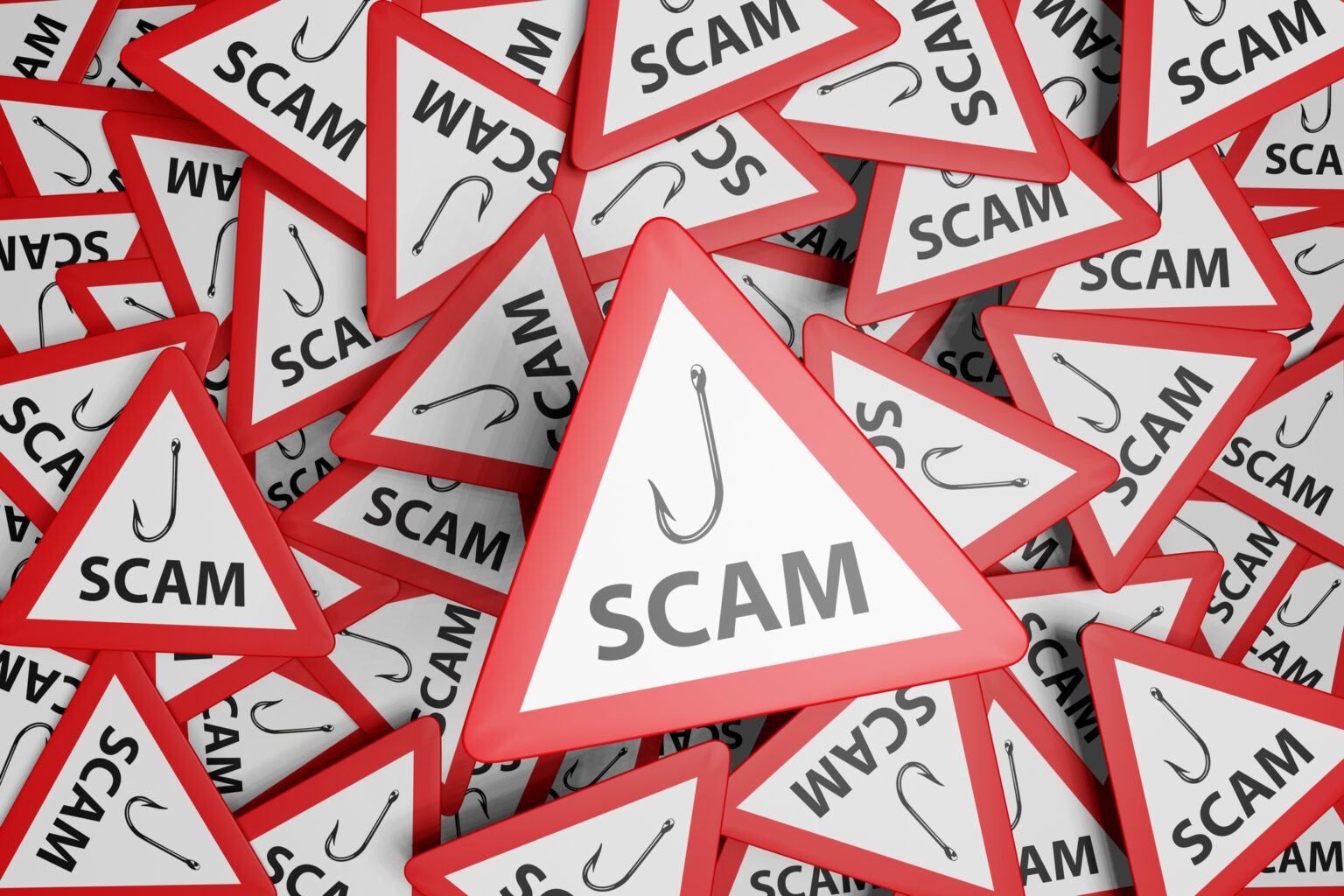
Pile of overlapping red warning triangles labeled “SCAM,” each featuring a black fishing-hook symbol.
February 24, 2025

Know the difference between a malicious QR code and a VUMC IT QR code

QR code phishing, or “quishing”, is when an unsafe or vulnerable link is in the QR code. Many of these codes can be found in a phishing email. If a user scans the code, they are at risk of accidentally downloading a virus or exposing their personal information.